
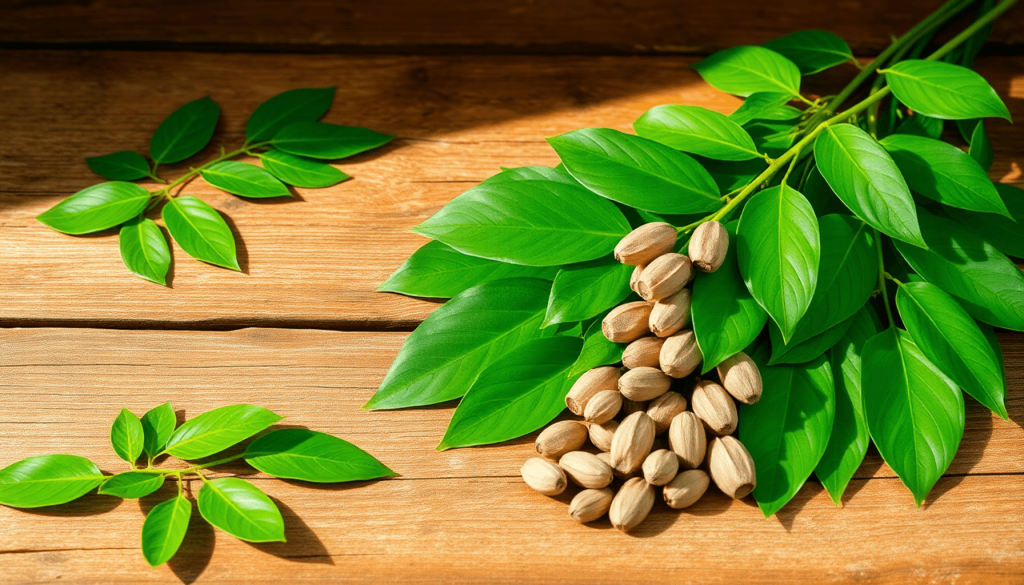
Moringa, often celebrated as the “Tree of Life,” is a versatile and nutrient-dense plant native to Indonesia. Its rich history and remarkable health-promoting properties have earned it a revered status in traditional Indonesian culture. Recently, Moringa has gained significant attention worldwide as a powerful holistic health solution.
You will find Moringa increasingly recognized for its ability to naturally enhance energy, support stress relief, and improve digestion. These benefits align with modern wellness trends seeking plant-based, natural remedies that address everyday health challenges.
This article explores Moringa for Energy, Stress, and Digestion: Indonesia’s Holistic Health Solution by diving deep into its origins, nutritional profile, and practical applications. If you are looking for a natural way to boost vitality, manage stress effectively, and promote gut health, understanding Moringa’s full potential can empower your wellness journey.
The Origins and Traditional Uses of Moringa in Indonesia
Historical Background of Moringa Cultivation in Indonesia
Moringa cultivation in Indonesia dates back centuries, with the plant being deeply intertwined with the country’s agricultural heritage. Indonesian farmers have long recognized the value of Moringa for its versatility and resilience in diverse growing conditions.
Role of Moringa in Indonesian Culture and Traditional Practices
In Indonesian culture, Moringa holds a special place as a symbol of health and vitality, often used in traditional ceremonies and rituals. The plant is revered for its ability to promote mental clarity and overall well-being.
Traditional Applications of Moringa in Food and Medicine
Indonesians have ingeniously incorporated Moringa into various culinary dishes, utilizing its leaves, seeds, and roots for their nutritional benefits. In traditional medicine, Moringa has been used to alleviate common ailments such as bloating, constipation, and inflammation.
Significance of Moringa in Rural Communities as a Natural Remedy
For rural farmers in Indonesia, Moringa represents more than just a plant; it is a source of sustenance and healing. Its anti-inflammatory properties make it a staple remedy for addressing a wide range of health issues within these communities.
By delving into the historical roots and cultural significance of Moringa in Indonesia, we gain a deeper appreciation for this botanical gem and its enduring impact on traditional practices.
Nutritional Profile of Moringa
Moringa leaves are incredibly nutritious, making them a fantastic addition to your diet. Here’s a breakdown of the key nutrients found in moringa:
1. Vitamins
Moringa is packed with Vitamins A, C, and E, which are essential for:
- Supporting your immune system
- Promoting healthy skin
- Providing antioxidant protection
2. Minerals
This superfood also contains important minerals like iron, calcium, and potassium that contribute to:
- Maintaining healthy blood levels
- Strengthening bones
- Balancing electrolytes in your body
3. Antioxidants
Moringa is rich in antioxidants such as flavonoids and phenolic acids. These compounds help fight against free radicals that can damage your cells, reducing oxidative stress associated with aging and chronic diseases.
4. Amino Acids
One of the standout features of moringa is its amino acid content. It contains all nine essential amino acids that your body cannot produce on its own. This makes moringa an excellent plant-based source of protein, supporting muscle repair and providing sustained energy.
5. Dietary Fiber
Moringa is also a good source of dietary fiber, which plays a crucial role in digestion. Fiber promotes regular bowel movements and feeds beneficial gut bacteria. Additionally, it helps regulate blood sugar levels and may aid in weight management by increasing feelings of fullness.
Moringa’s rich combination of vitamins, minerals, antioxidants, amino acids, and fiber creates a balanced superfood that supports various aspects of your health from the inside out.
The dense nutritional profile of moringa underpins many of its traditional uses and modern applications for energy enhancement, stress relief, and digestive support.
Moringa for Energy: A Natural Solution to Fatigue
Moringa offers a powerful natural boost for energy, making it an excellent choice if you’re seeking sustained vitality throughout the day. One of the key factors behind Moringa for energy lies in its rich iron content. Iron plays a crucial role in supporting oxygen transport within your bloodstream. When oxygen flows efficiently to your cells, fatigue decreases, and your body’s overall energy levels rise.
How Moringa Boosts Energy
Here are some ways Moringa can help increase your energy levels:
- Iron and Oxygen Flow: Moringa leaves contain significant amounts of iron, which helps prevent anemia—a common cause of tiredness and lethargy. By enhancing red blood cell production, Moringa improves oxygen delivery to muscles and organs, reducing feelings of exhaustion.
- High Protein and Amino Acids: Unlike many plants, Moringa is packed with complete proteins and essential amino acids. These nutrients contribute to muscle repair and energy metabolism, helping you maintain consistent energy without sudden crashes.
- Sustained Energy Release: The combination of iron and protein in Moringa supports balanced blood sugar levels, preventing spikes that often lead to quick burnout. This balance provides steady fuel for physical activities and mental focus.
Incorporating Moringa into Your Routine
The plant’s ability to enhance stamina naturally fits well into daily wellness routines. Whether consumed as powder, tea, or capsules, incorporating Moringa can help you combat fatigue with a nutrient-dense approach rooted in traditional Indonesian wisdom.
Moringa for Stress Relief: Managing Modern-Day Pressures Naturally
In today’s fast-paced world, stress has become a common experience for many. Whether it’s work deadlines, personal responsibilities, or the challenges of daily life, finding effective ways to manage stress is crucial for our well-being. One natural remedy that shows promise in combating stress is Moringa.
The Adaptogenic Power of Moringa
Moringa, often referred to as the “drumstick tree” or “miracle tree,” is known for its numerous health benefits. One of its key properties is its ability to act as an adaptogen. Adaptogens are substances that help the body adapt to stressors and maintain balance.
Moringa contains various compounds, such as flavonoids and polyphenols, that contribute to its adaptogenic effects. These compounds can assist in regulating hormones like cortisol, which is commonly known as the “stress hormone.” By keeping cortisol levels in check, Moringa may help reduce the impact of stress on the body.
Fighting Oxidative Stress with Moringa
Oxidative stress occurs when there is an imbalance between free radicals and antioxidants in the body. This imbalance can lead to inflammation and various health issues. Fortunately, Moringa’s high antioxidant content makes it a potential ally in fighting oxidative stress.
Moringa is rich in vitamins A, C, and E—powerful antioxidants that help neutralize free radicals. By incorporating Moringa into your diet regularly, you may be able to combat oxidative stress and lower inflammation levels in your body.
How to Include Moringa in Your Routine
There are several ways you can incorporate Moringa into your daily routine:
- Moringa Powder: Add Moringa powder to smoothies, soups, or baked goods for an extra nutritional boost.
- Moringa Tea: Brew Moringa leaves to make a soothing herbal tea.
- Moringa Capsules: If you prefer a convenient option, consider taking Moringa capsules as a dietary supplement.
By making these simple additions to your lifestyle, you can harness the natural properties of Moringa to support your body’s response to stress.
Conclusion
Managing stress is essential for maintaining overall health and well-being. With its adaptogenic properties and potential antioxidant benefits, Moringa offers a natural approach to coping with modern-day pressures.
Moringa for Digestion: Supporting Gut Health Holistically
Improving Digestion with Moringa
Moringa is known for its ability to support gut health by aiding in digestion and nutrient absorption. The high fiber content in Moringa leaves helps regulate bowel movements and promotes a healthy digestive system. Fiber plays a crucial role in maintaining gut health by acting as a prebiotic, feeding the beneficial bacteria in the gut and promoting overall digestive wellness.
Enhancing Nutrient Absorption
The bioactive compounds present in Moringa, such as quercetin and chlorogenic acid, have been shown to enhance nutrient absorption in the intestines. These compounds help the body extract essential nutrients from food more effectively, ensuring optimal nutrient uptake and utilization. By improving nutrient absorption, Moringa contributes to overall well-being and supports a healthy immune system.
Traditional Gastrointestinal Wellness
In traditional Indonesian medicine, Moringa has long been used to promote gastrointestinal wellness. Its anti-inflammatory properties can help soothe digestive issues such as bloating, indigestion, and constipation. Additionally, Moringa’s antioxidant content aids in reducing oxidative stress in the digestive tract, supporting a healthy gut microbiome.
By incorporating Moringa into your diet, you can harness its digestive benefits to maintain gut health holistically. Whether consumed as a supplement or added to meals, Moringa offers a natural solution for promoting gastrointestinal wellness and optimizing nutrient absorption for overall health.
Modern Applications and Products of Moringa
Moringa has gained significant popularity in recent years, leading to the development of various products that harness its nutritional benefits. These products are now widely available in the market, catering to health-conscious consumers seeking natural solutions for their wellness needs.
Moringa-Based Products
Here are some of the contemporary products available in the market that contain Moringa:
- Powders: Moringa leaves are dried and ground into a fine powder, making it easy to incorporate into smoothies, juices, or food recipes.
- Teas: Moringa tea is made by steeping dried Moringa leaves in hot water, creating a soothing beverage packed with antioxidants.
- Capsules: For those who prefer a convenient option, Moringa capsules offer a concentrated dose of its nutrients without any taste.
- Snacks: Moringa is also being used as an ingredient in snacks such as energy bars or chips, providing an on-the-go option for health enthusiasts.
These Moringa-based products have found their way into the global market, appealing to individuals looking for natural remedies for energy boost, stress relief, and digestive support.
The Clean-Label Trend and Wellness Industry’s Focus on Plant-Based Solutions with Moringa at the Forefront
The clean-label trend is reshaping consumer preferences, pushing the wellness industry to prioritize transparency and natural ingredients. Health-conscious consumers are seeking products that contain recognizable, minimally processed components. This shift fuels demand for natural remedies like Moringa, celebrated for its nutrient density and holistic health benefits.
Key drivers behind this trend include:
- Desire for products free from artificial additives, preservatives, and synthetic chemicals
- Preference for sustainably sourced, plant-based ingredients aligned with ethical consumption
- Growing awareness of the link between diet quality and overall wellness
Within the wellness industry, plant-based solutions are gaining prominence as effective ways to support energy, stress management, and digestion without relying on pharmaceuticals or synthetic supplements. Moringa stands out due to its rich nutritional profile and versatility across various product formats—powders, teas, capsules—that cater to this market.
Moringa’s reputation as a superfood aligns perfectly with clean-label values: it is natural, nutrient-dense, and offers multiple health benefits without complex processing. Wellness brands often spotlight Moringa in their formulations to attract consumers prioritizing holistic wellness through natural means.
The rising interest in clean-label products paired with the popularity of plant-based alternatives creates a fertile ground for Moringa’s continued growth within modern health markets.
Economic Benefits and Sustainable Farming Practices Associated with Moringa Farming in Indonesia
Moringa cultivation in Indonesia offers significant economic benefits from moringa farming, particularly for rural farmers who rely on agriculture as their primary source of income. The plant’s resilience to harsh conditions such as drought and poor soil quality makes it an ideal crop for sustainable farming practices. This adaptability reduces the need for excessive irrigation and chemical fertilizers, lowering production costs and environmental impact.
Key advantages of moringa farming include:
- Income diversification: Farmers can generate revenue not only from fresh leaves but also from processed products like powders, teas, and oils, tapping into both local markets and export opportunities.
- Year-round harvest: Moringa trees produce leaves continuously, providing consistent income streams unlike seasonal crops.
- Low maintenance: Minimal input requirements translate into higher profit margins and reduced dependency on external resources.
Sustainable farming methods used in moringa cultivation contribute to soil conservation by preventing erosion and enhancing soil fertility through natural leaf litter decomposition. These practices support biodiversity by creating habitats for beneficial insects and microorganisms.
Communities benefit economically while supporting environmental stewardship. This combination of sustainable agriculture with tangible financial returns makes moringa a promising crop for long-term rural development in Indonesia.
Conclusion
Nature has solutions that can help us with today’s health problems. Moringa is an amazing superfood that can help with tiredness, stress, and digestion issues because it is packed with nutrients and has qualities that help our bodies adapt. Its role in Moringa for Energy, Stress, and Digestion: Indonesia’s Holistic Health Solution fits perfectly with the growing global health trends that focus on finding new ways to promote overall well-being.
You can take active steps to integrate moringa into your daily routine:
- Try moringa powders, teas, or capsules for convenient nutritional support.
- Incorporate moringa leaves in cooking to enjoy traditional flavors and benefits.
- Support sustainable farming initiatives that empower Indonesian rural communities and promote eco-friendly agriculture.
Using moringa encourages a balanced lifestyle that relies on natural remedies. This way of living not only improves our own health but also helps the planet and strengthens local economies. Discover the many uses of moringa and become part of the movement towards holistic health today.
FAQs (Frequently Asked Questions)
Moringa is a versatile plant native to Indonesia, celebrated as the ‘Tree of Life’ due to its extensive nutritional benefits and traditional uses in promoting holistic health, energy, stress relief, and digestion.
In Indonesia, Moringa has a rich history of cultivation and use among rural farmers for its mental clarity benefits, relief from bloating and constipation, anti-inflammatory properties, and as a natural remedy integrated into food and traditional medicine practices.
Moringa leaves are rich in essential vitamins such as A, C, and E; vital minerals including iron, calcium, and potassium; antioxidants; amino acids; and dietary fiber—all contributing to improved energy levels, stress management, and digestive health.
Moringa supports sustained energy by providing iron that enhances oxygen flow in the body to reduce fatigue, along with high protein and amino acid content that helps maintain energy throughout the day.