
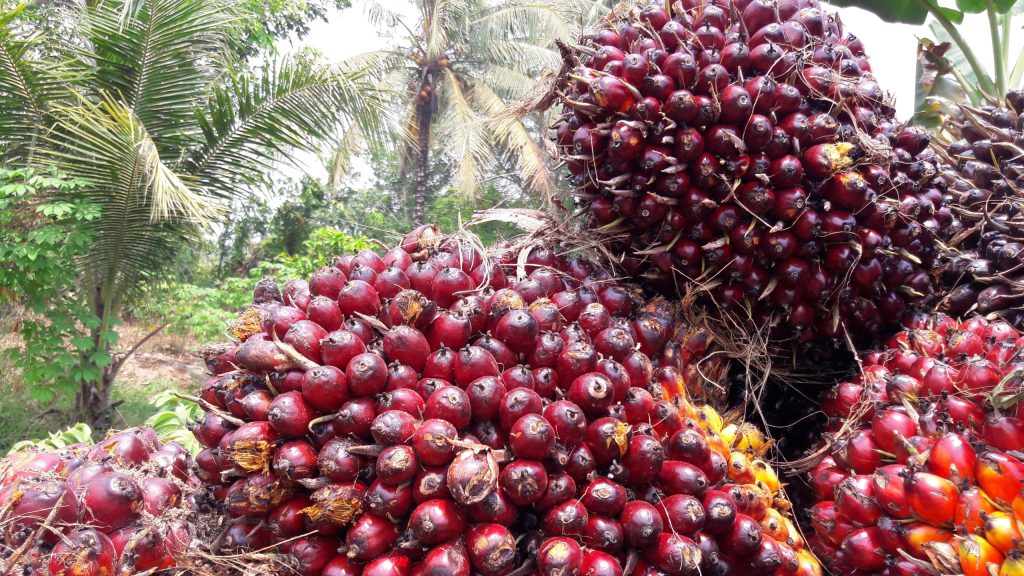
Indonesia, the world’s largest archipelago, is not only celebrated for its rich biodiversity and cultural heritage but also for its pivotal role in the global palm oil industry. As the leading producer and exporter of palm oil, Indonesia’s plantations stretch across millions of hectares, supporting millions of livelihoods and contributing significantly to the national economy. In 2025, the industry stands at a crossroads—balancing robust growth and export potential with increasing demands for sustainability and innovation. For foreign investors, Indonesia’s palm oil sector offers a wealth of opportunities, but also presents unique challenges that require strategic navigation and reliable local partnerships.
This article provides a comprehensive overview of Indonesia’s palm oil industry in 2025, explores the sector’s investment potential, highlights the latest trends and sustainability initiatives, and introduces Ralali.com as a trusted partner for investors seeking to enter or expand in this dynamic market.
The Backbone of Indonesia’s Economy
Production and Economic Impact
Indonesia’s palm oil industry is a cornerstone of the national economy. In 2023, the country produced approximately 47 million tonnes of crude palm oil, maintaining its position as the world’s largest producer and exporter . The industry’s economic contribution is immense, with palm oil exports valued at around USD 31 billion annually, making it Indonesia’s second-largest export commodity . The sector supports over 17 million jobs, both directly and indirectly, and is a vital source of income for smallholder farmers, who operate about 40% of the country’s oil palm area .
The palm oil sector’s contribution to Indonesia’s GDP is estimated to be between 9% and 17%, underscoring its importance in national development, poverty alleviation, and rural employment . In 2022, the industry contributed a record-high of USD 39.07 billion to the economy .
The State of the Industry in 2025
Market Size, Growth, and Export Dynamics
By 2025, Indonesia’s palm oil industry continues to thrive, driven by both domestic and international demand. The domestic demand for palm oil is projected to reach 20 million tonnes, fueled by the government’s ambitious biodiesel program (B30), which mandates a 30% blend of palm oil in biodiesel . This initiative not only supports energy security but also creates new investment opportunities in the biodiesel sector and related infrastructure.
On the export front, Indonesia anticipates palm oil exports to India alone will exceed 5 million tonnes in 2025, following India’s reduction in import tariffs . The country is also diversifying its export markets, targeting Asia, Africa, and the Middle East, where demand for vegetable oils is rising . The Indonesia palm oil market was valued at USD 12.58 billion in 2023 and is projected to grow at a compound annual growth rate (CAGR) of 4.4% from 2024 to 2030 . Another estimate forecasts the market to reach USD 13.6 billion by 2033, with a CAGR of 2.47% from 2025-2033 .
Industry Structure and Key Players
Indonesia’s palm oil plantations are categorized into government-owned, independent and nucleus estate smallholders, and large private-owned plantations. Major industry players include Wilmar International, Golden Agri-Resources, Astra Agro Lestari, and Asian Agri . The significant role of smallholders, who manage nearly half of the plantation area, highlights the sector’s social and economic impact .
Technological Innovations and Value-Added Products
Embracing Industry 4.0
The palm oil industry in Indonesia is increasingly adopting Industry 4.0 technologies to enhance productivity, efficiency, and sustainability. Artificial intelligence (AI), blockchain, Internet of Things (IoT), big data analytics, and remote sensing are being used for plantation mapping, disease detection, and palm fruit grading . These technologies improve production processes, reduce environmental impacts, and enhance supply chain transparency.
Biomass Utilization and Circular Economy
A significant area of innovation is the valorization of oil palm biomass. Technologies have been developed to convert oil palm waste into high-value products such as biochar, activated carbon, bioplastics, compost, nanocellulose, and bioenergy . These innovations not only add value but also contribute to environmental sustainability by reducing waste and supporting circular economy strategies .
Diversification into Non-Food Products
The industry is also diversifying into non-food products, including cosmetics and pharmaceuticals, expanding its market reach and increasing the value derived from palm oil . The production of fractionated palm oil, which is versatile and in high demand across various industries, exemplifies the sector’s focus on value-added products .
Sustainability Initiatives and Environmental Considerations
Addressing Environmental Challenges
Indonesia’s palm oil industry has long faced criticism for its environmental impact, particularly deforestation, peatland degradation, and greenhouse gas emissions . The expansion of plantations has led to the loss of critical habitats and contributed to climate change through the release of stored carbon from peatlands .
Certification and Sustainable Practices
To address these concerns, Indonesia has implemented several sustainability initiatives:
- Roundtable on Sustainable Palm Oil (RSPO): A global certification standard that aims to prevent deforestation, protect wildlife habitats, and ensure the well-being of workers and communities. About 19% of global palm oil production is RSPO-certified .
- Indonesian Sustainable Palm Oil (ISPO): A mandatory national certification that promotes sustainable practices and aligns with international standards .
- Technological Solutions: The use of geospatial technology, blockchain, and remote sensing tools enhances transparency and traceability in the supply chain, helping monitor land-use changes and ensure accountability .
Policy and Collaborative Efforts
The Indonesian government, in collaboration with international partners and organizations like Conservation International, is working to create policies that incentivize sustainable production, support smallholders in achieving certification, and invest in conservation and restoration initiatives . In February 2025, a government task force reclaimed 2 million hectares of land from palm oil plantations, redistributing nearly half of it to address land expropriation issues and promote more equitable land use .
Investment Opportunities and Challenges
Opportunities for Foreign Investors
Indonesia’s palm oil sector offers substantial investment opportunities:
- Biodiesel and Domestic Consumption: The B30 biodiesel program and growing domestic demand create opportunities in biofuel production and related infrastructure .
- Export Market Diversification: With the EU market becoming more challenging due to regulatory changes, Indonesia is focusing on expanding exports to Asia, Africa, and the Middle East, opening new avenues for investors .
- Technological Upgrades: Investments in modern agricultural techniques, processing technologies, and supply chain innovations can enhance productivity and competitiveness .
- Sustainability Initiatives: Supporting smallholders in achieving ISPO or RSPO certification and investing in sustainable practices can improve market access and reputation .
Challenges to Consider
Investors must also navigate several challenges:
- Regulatory Compliance: The European Union Deforestation Regulation (EUDR) and other international standards require stringent compliance, which can be difficult for smallholders and new entrants, foreign investors also need to check Indonesia negative investment list .
- Environmental and Social Concerns: Addressing deforestation, habitat destruction, and social conflicts is essential for long-term viability and market acceptance .
- Smallholder Productivity: Low productivity among smallholder plantations remains a challenge, necessitating investments in training, technology, and financing .
- Market Access Barriers: Navigating international trade restrictions and compliance requirements requires strategic partnerships and diplomatic efforts .
Ralali.com: Your Trusted Investment Partner in Indonesia
Navigating Indonesia’s vast and complex palm oil sector requires local expertise, reliable networks, and robust digital infrastructure. Ralali.com, Indonesia’s largest B2B e-commerce marketplace, stands out as a strategic partner for foreign investors. By connecting suppliers, distributors, and industrial buyers, Ralali.com facilitates seamless business transactions and supports local trade .
Ralali.com empowers micro, small, and medium-sized enterprises (MSMEs) by providing access to a wide range of products and services, including maintenance, repair, and operations items . The platform’s expansion into fintech with Ralali Wallet further enhances its ability to support business transactions and investments . Backed by leading venture capital firms, Ralali.com’s strong market position and digital ecosystem make it an ideal partner for investors seeking to enter or expand in Indonesia’s palm oil industry .
By leveraging Ralali.com’s extensive network and digital solutions, investors can overcome market entry barriers, access reliable suppliers, and navigate the regulatory landscape with confidence. Ralali.com’s commitment to empowering local businesses and driving domestic trade underscores its importance as a key player in Indonesia’s investment landscape .
Conclusion
Indonesia’s palm oil industry in 2025 remains a global powerhouse, offering immense opportunities for growth, innovation, and sustainable development. The sector’s robust production, expanding domestic and international markets, and ongoing technological advancements make it an attractive destination for foreign investment. However, investors must also address challenges related to sustainability, regulatory compliance, and smallholder productivity to ensure long-term success.
With the right strategies and local partnerships, such as those offered by Ralali.com, foreign investors can unlock the full potential of Indonesia’s palm oil sector. As the industry continues to evolve, embracing sustainability and innovation will be key to maintaining Indonesia’s leadership in the global palm oil market and ensuring shared prosperity for all stakeholders.