

Indonesia has a huge potential in the seaweed industry, making it an important player in global markets. The government is actively promoting seaweed downstreaming initiatives, which means they want to increase the value of this abundant resource by processing it into higher-value products.
Here are some key points:
- Indonesia is the second-largest producer of seaweed in the world, and there are still large areas suitable for cultivation that haven’t been fully used yet.
- The government has plans to improve the economic value of seaweed through hilirisasi rumput laut, which involves processing raw seaweed into high-value products.
- By highlighting how seaweed can improve the welfare of local communities, we can see its potential to create jobs and increase income for fishermen and people living in coastal areas.
This strategic approach not only helps the economy grow but also brings positive changes to the lives of those who rely on the flourishing seaweed industry.
Current State of Indonesia’s Seaweed Industry
Indonesia is the second-largest producer of seaweed in the world, playing a significant role in the global market. However, there is a noticeable underutilization of potential areas for cultivation. At present, only 0.8% of the 12 million hectares available for seaweed farming are being used. This presents a huge opportunity for growth and expansion in the industry.
Focus on Dried Seaweed Exports
The main emphasis has been on dried seaweed exports, which make up a large part of Indonesia’s seaweed trade. While dried products are an important source of income, they only represent one aspect of what the industry can do. The transition towards processed products is still limited, preventing local producers from fully realizing their economic potential.
Key Challenges
Here are some key statistics that highlight these challenges:
- Production Capacity: There are still large areas that have not been cultivated or used.
- Export Focus: Dried seaweed makes up most of the exports, overshadowing more valuable processed options.
It is essential to address these issues in order to improve both the competitiveness of the industry and its contribution to local economies. This will set the stage for further exploration into government initiatives aimed at promoting seaweed products.
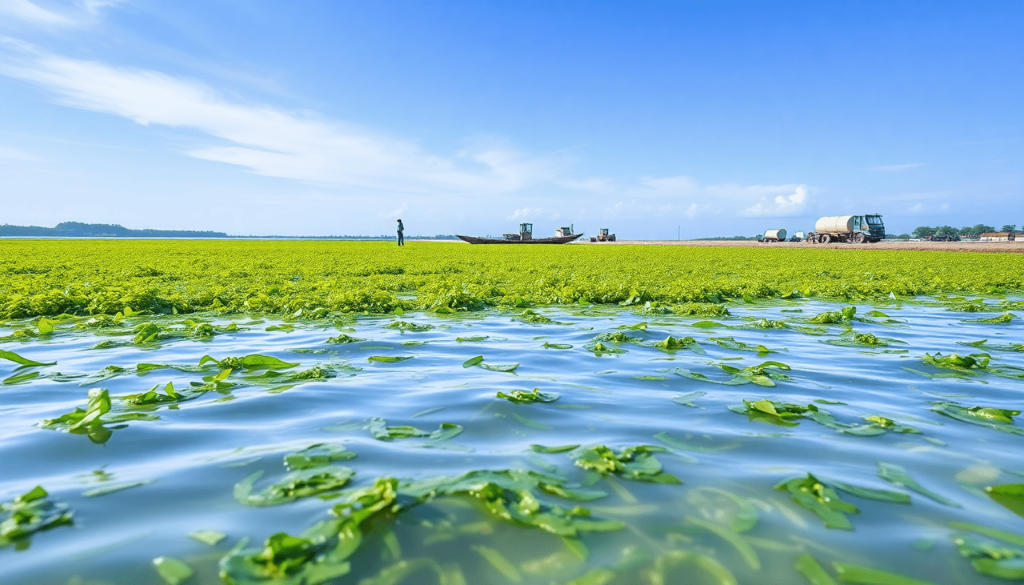
Government Initiatives for Seaweed Downstreaming
The Indonesian government recognizes the potential of seaweed and has integrated it into the National Strategic Projects (PSN). This inclusion highlights the commitment to enhancing the seaweed sector’s economic viability and sustainability.
Key initiatives include:
- Revision of Regulations: Recent regulatory changes aim to provide robust support for machinery and equipment assistance. These reforms make it easier for businesses to access essential technology needed for processing seaweed effectively.
- Subsidies for New Machinery: To bolster small and medium-sized factories, the government offers significant subsidies, covering 30-40% of new machinery costs. This financial support encourages investment in advanced processing capabilities, fostering innovation within the industry.
Such governmental efforts are crucial in transforming Indonesia’s seaweed sector from raw material exports to value-added products. By prioritizing these initiatives, the government facilitates a more competitive landscape that benefits local communities engaged in seaweed cultivation and processing.
Potential Products from Seaweed Downstreaming
Seaweed serves as a versatile resource with applications across various industries. Key products derived from seaweed downstreaming include:
1. Carrageenan
This hydrocolloid is widely utilized in the food industry as a thickening agent. Its properties make it ideal for products like ice cream and yogurt, enhancing texture and stability. Beyond food, carrageenan finds use in pharmaceuticals and cosmetics, providing thickening and gelling functionalities.
2. Agar
Known for its gelling capabilities, agar is another important seaweed-derived product. It holds significant value in laboratories for culturing microorganisms and is also used in culinary applications, particularly in desserts and jellies.
3. Biostimulants
Derived from seaweed, these products promote plant growth and health. They enhance nutrient uptake, improve stress resistance, and boost overall crop productivity, making them valuable for agricultural advancements.
4. Bioplastics
The development of bioplastics from seaweed presents an eco-friendly alternative to conventional plastics. These materials can reduce environmental impact while providing innovative packaging solutions.
Government pushes seaweed downstreaming to increase added value through these diverse products. The potential for economic growth and sustainability becomes evident as industries explore the vast applications of seaweed derivatives.
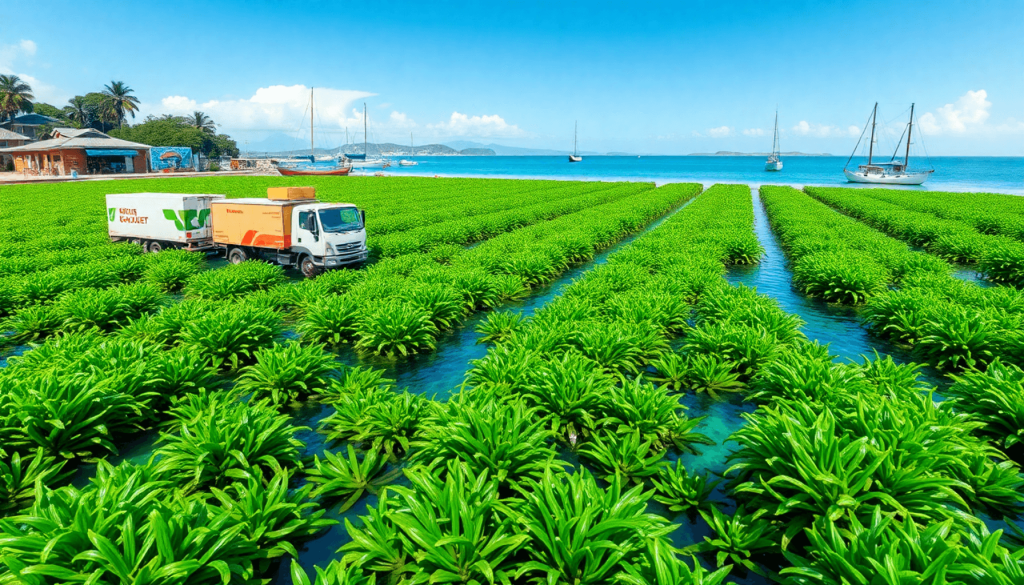
Ralali’s Role in Supporting Seaweed Downstreaming
Ralali plays a crucial role in improving Indonesia’s efforts to develop the seaweed industry. Through the Ralali Marketplace, businesses can access comprehensive solutions designed specifically for the seaweed sector. This platform makes it easier for:
- Procuring Raw Materials: By connecting producers with suppliers, we ensure a consistent supply of high-quality seaweed.
- Distributing Products: Our streamlined delivery process enables efficient reach to various processing industries.
In addition to our marketplace services, we also provide financial support through Ralali Plus. This initiative aims to empower businesses in the seaweed industry by offering:
- Funding for Business Development Initiatives: With our financial backing, companies can invest in advanced processing technology and expand their operations.
- Assistance for Small and Medium-Sized Enterprises: We provide targeted support to encourage innovation and growth among local players, which ultimately drives overall industry advancement.
By combining these services, Ralali not only improves the efficiency of the seaweed supply chain but also promotes economic growth in coastal communities. Our strategic involvement helps maximize the potential of Indonesia’s seaweed resources while making significant contributions to the national downstream program.
Economic Impact and Long-Term Benefits
The industrialization of Indonesia’s seaweed sector holds significant promise for economic value. Recent estimates suggest an added economic contribution of approximately US$11.8 billion from these efforts. This figure highlights the immense potential for growth within this relatively untapped industry.
Key benefits include:
- Job Creation: The expansion of seaweed processing facilities directly translates to job opportunities within coastal communities.
- Diverse Roles: Positions range from cultivation and harvesting to processing and distribution, providing a variety of employment options.
- Empowerment of Local Communities: Increased job availability enhances the livelihoods of fishermen and their families, fostering economic stability.
Investment in downstreaming initiatives not only boosts the local economy but also encourages sustainable practices in seaweed farming. As businesses grow, they can further engage in community development projects, enhancing infrastructure and services in coastal regions.
The ripple effects of these developments extend beyond immediate economic gain, creating a resilient workforce ready to meet both national and global demands for seaweed-based products.
Conclusion
The future outlook for Indonesia’s seaweed industry is promising, especially with government initiatives driving seaweed downstreaming to increase added value. Key points include:
- Enhanced Welfare: Improved economic conditions for fishermen and coastal communities through a strengthened value chain.
- Investment Opportunities: Significant potential for investors in various sectors, including food, pharmaceuticals, and bioplastics.
By focusing on industrialization, the government not only aims to maximize economic returns but also seeks to uplift local communities. The commitment to supporting seaweed processing and product development lays a solid foundation for sustainable growth. With dedicated efforts, Indonesia can transform its seaweed resources into a thriving industry that benefits all stakeholders involved.
FAQs (Frequently Asked Questions)
Seaweed downstreaming is crucial for enhancing the economic value of Indonesia’s seaweed industry. It focuses on transforming raw seaweed into higher-value products, which not only boosts the economy but also improves the welfare of local communities.
Indonesia is the world’s second-largest producer of seaweed, yet it currently underutilizes its potential cultivation areas, with only 0.8% of 12 million hectares being used for seaweed farming.
The Indonesian government has included seaweed in National Strategic Projects (PSN) and revised regulations to facilitate machinery assistance. They also provide subsidies for new machinery, particularly benefiting small and medium-sized factories.
Potential products from seaweed downstreaming include carrageenan and agar, which are used in pharmaceuticals, cosmetics, and food industries, as well as biostimulants and bioplastics developed from processed seaweed.
Pingback:Development of New Products Like Bioavtur from Seaweed in Planning Stages - Indonesia Supplier
Pingback:Indonesia Becoming The World's Leading Seaweed Supplier With a 44.46% Market Share and Export Value of USD 388.13 Million in 2022 - Indonesia Supplier