
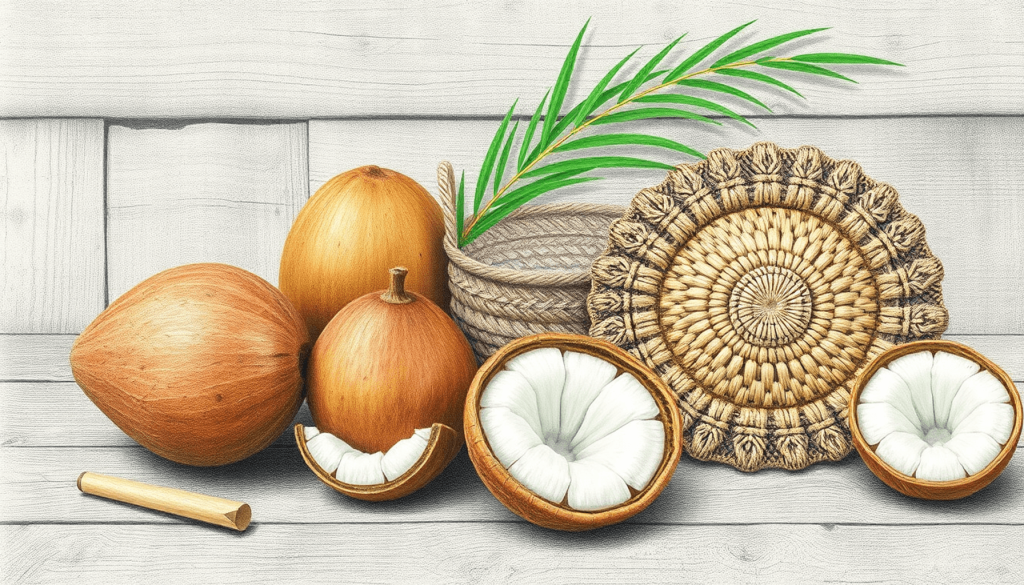
Coconut fiber, also known as serat kelapa or serat sabut kelapa, is a versatile and sustainable material derived from the husk of coconuts. This natural fiber boasts excellent durability, making it suitable for various applications.
Key characteristics of coconut fiber include:
- Biodegradability: Its organic composition allows for easy decomposition.
- Strength: Ideal for products requiring resilience and flexibility.
The rising interest in eco-friendly products across industries has spotlighted coconut fiber. Consumers increasingly seek sustainable alternatives, prompting manufacturers to explore innovative uses of this resource. The potential for integrating coconut fiber into both handicrafts and industrial products aligns with global sustainability goals, offering a practical solution to environmental challenges while supporting local economies.
Coconut Fiber in Handicraft Production
Coconut fiber, known locally as sabut kelapa, has a rich history of traditional uses that highlight its versatility. Historically, it has been utilized in the production of:
- Ropes: The strength and durability of coconut fiber make it ideal for crafting ropes used in fishing, agriculture, and construction.
- Floor Mats: The natural resilience of coconut fiber enables it to withstand wear and tear, making it a popular choice for durable floor mats.
In contemporary times, the applications of coconut fiber have evolved significantly. Today, you can find coconut fiber being used in various decorative items and household products, such as:
- Baskets: Handwoven from coco fibers, these baskets are not just functional but also serve as aesthetic home décor.
- Doormats: Eco-friendly and stylish, coconut fiber doormats provide both utility and an inviting entrance.
The creative potential of coconut fiber extends to innovative designs. Artisans are now exploring unique products like:
- Bags: Fashionable yet sustainable bags made from coconut fibers are gaining popularity among eco-conscious consumers.
- Wall Hangings: Decorative wall art crafted from coco fiber adds a rustic touch to modern interiors.
This adaptability showcases the endless possibilities for kerajinan tangan (handicraft) using coconut fibers.
Industrial Applications of Coconut Fiber
Coconut fiber, known for its strength and durability, is widely used in various industries.
1. Automotive Industry
Coconut fiber is increasingly used in manufacturing components such as door panels, dashboards, and seat upholstery. Its lightweight nature helps reduce vehicle weight, improve fuel efficiency, and offer a sustainable alternative to synthetic materials.
2. Construction Materials
In construction, coconut fiber is essential in producing insulation and geotextiles. These materials have excellent thermal properties and are biodegradable, making them environmentally friendly options for modern building practices.
3. Agricultural Benefits
The agricultural sector benefits from coconut fiber through its use in preventing soil erosion and retaining moisture. By improving soil structure, it supports sustainable farming practices and helps maintain crop health.
4. Eco-Friendly Stuffing Material
Coconut fiber is also used as a stuffing material in mattresses and furniture. Its natural properties provide comfort while ensuring an eco-friendly alternative to conventional synthetic stuffing materials.
These applications demonstrate the versatility of coconut fiber across industries, driving innovation while promoting sustainability.
Environmental Benefits of Utilizing Coconut Fiber
Coconut fiber products are highly biodegradable and sustainable, making them a valuable choice in today’s eco-friendly market. Key benefits include:
- Biodegradability: Unlike synthetic materials, coconut fiber decomposes naturally, reducing landfill waste and environmental pollution.
- Sustainability: Sourced from renewable coconut palms, the production of coconut fiber utilizes what would otherwise be waste from the coconut industry.
Upcycling coconut husks into fiber is an effective method for contributing to waste reduction. By transforming discarded husks into valuable products, you help minimize environmental impact. This process not only enhances the usability of coconut byproducts but also encourages innovative design solutions across various industries.
As the demand for eco-friendly products increases, the role of coconut fiber in sustainability continues to gain prominence, supporting both artisanal craftsmanship and industrial applications in a harmonious balance with nature.
Challenges in Coconut Fiber Utilization
Coconut fiber utilization faces several challenges that hinder its full potential.
1. Limited Processing Facilities
In many regions, the lack of adequate processing facilities limits the production capacity of coconut fiber. Small-scale farmers often struggle to access modern equipment necessary for efficient extraction and processing, leading to underutilization of this valuable resource.
2. Need for Technology Improvements
The extraction and processing methods for coconut fiber require significant advancements. Current techniques are often labor-intensive and inefficient. Innovations in technology could streamline these processes, enhancing quality and reducing waste. Investing in research and development can lead to new machinery and methods, making coconut fiber more competitive in the market.
Addressing these challenges is crucial for unlocking the full benefits of coconut fiber in both handicraft and industrial applications.
Ralali’s Role in Supporting the Coconut Fiber Industry
Ralali Marketplace serves as a vital platform that connects coconut fiber producers with manufacturers, facilitating seamless transactions and partnerships. By bridging the gap between suppliers and buyers, Ralali enhances market accessibility for coconut fiber products, promoting growth within the industry.
Funding Solutions through Ralali Plus
Ralali Plus is an initiative designed to provide essential funding solutions for businesses operating in the coconut fiber sector. This support is crucial for entrepreneurs looking to scale their operations or improve processing technologies.
- Empowering MSMEs: Funding opportunities empower micro, small, and medium enterprises (MSMEs) to invest in innovation and efficiency.
- Sustainable Growth: Financial backing encourages sustainable practices, aligning with the increasing demand for eco-friendly materials.
Through these initiatives, Ralali plays a significant role in fostering a sustainable and inclusive business ecosystem within the coconut fiber industry.
Future Outlook for Coconut Fiber Products
The global demand for eco-friendly products continues to rise, highlighting the significance of coconut fiber in various applications. This growing trend underscores the potential for Coco Fiber to become a staple in sustainable manufacturing processes.
Key Opportunities:
- Innovative Product Development: Entrepreneurs and manufacturers are exploring new ways to utilize coconut derivatives, from biodegradable packaging materials to advanced textiles.
- Enhanced Functionality: Research into improving the properties of coconut fiber can lead to stronger and more versatile materials suitable for industrial uses.
- Market Expansion: As awareness of sustainability increases, new markets are emerging for coconut fiber products, allowing producers to tap into diverse consumer bases.
By leveraging these opportunities, businesses can contribute significantly to the eco-friendly movement while promoting the Utilization of Coconut Fiber (Coco Fiber) for Handicraft and Industrial Product.
Conclusion
Supporting the utilization of coconut fiber is essential for both handicrafts and industrial applications. By choosing eco-friendly products made from coconut fiber, you contribute to:
- Sustainability: Coconut fiber is biodegradable and a renewable resource.
- Economic Growth: Promoting local industries enhances job opportunities and community development.
Encouraging innovative designs and applications can lead to a robust market for coconut derivatives. Engage with this sustainable movement and help foster a greener future through the Utilization of Coconut Fiber (Coco Fiber) for Handicraft and Industrial Product. Your choices can make a significant impact.
FAQs (Frequently Asked Questions)
Coconut fiber, also known as coco fiber or serat kelapa, is a natural material derived from the husk of coconuts. It is considered sustainable due to its biodegradability and the fact that it is a byproduct of coconut processing, which helps reduce waste.
Coconut fiber has traditional applications in rope-making and creating floor mats. In modern handicrafts, it is used for decorative items like bags, wallets, and wall hangings, showcasing its versatility and potential for innovative designs.
In the industrial sector, coconut fiber is utilized in the automotive industry for components such as door panels and seat upholstery. It also plays a role in construction materials like insulation and geotextiles, as well as in agriculture for soil erosion prevention.
Coconut fiber products are biodegradable and contribute to sustainability efforts by upcycling coconut husks, which helps reduce waste and promote eco-friendly practices.
Pingback:Innovation Of Coconut-Based Beverages Beyond Regular Coconut Water. - Indonesia Supplier
Pingback:The Coconut Renaissance: Indonesia's Role in Reviving Ancient Coconut-Based Medicines and Modern Nutrition - Indonesia Supplier