
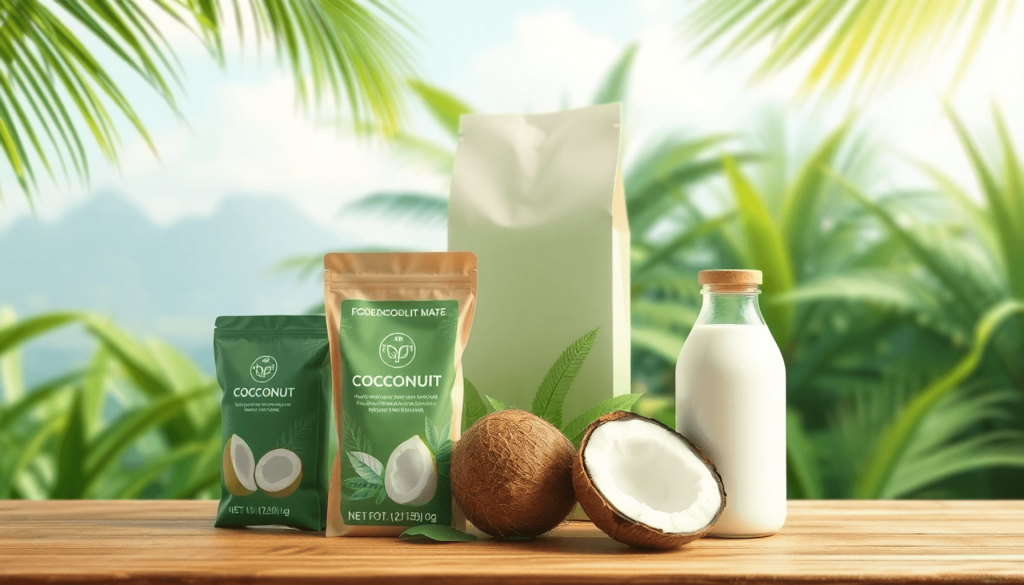
The growing demand for eco-friendly packaging shows a significant change in consumer preferences towards sustainable practices. As awareness of environmental issues increases, businesses are forced to adopt sustainable packaging solutions, especially in industries that deal with coconut products.
Coconuts are an important commodity, particularly in Indonesia, where their versatility allows for the production of various goods such as coconut oil, milk, and charcoal. However, traditional packaging methods often use non-biodegradable plastics that harm the environment. The need for innovative alternatives is more urgent than ever.
In this article, we will explore:
- Innovative eco-friendly packaging solutions specifically designed for coconut products.
- Benefits of these solutions regarding environmental sustainability, market opportunities, and compliance with evolving regulations.
By embracing these innovations, stakeholders within the coconut industry can not only reduce their ecological impact but also position themselves favorably in a competitive market landscape.
Read More: The Use Of Technology To Improve The Quality And Added Value Of Coconut Products.
Current Challenges in Coconut Packaging
Coconut products have increasingly relied on non-biodegradable plastics for packaging. These materials dominate the market due to their low cost and convenience. However, this dependence has severe environmental impacts.
Key challenges include:
- Plastic Waste Generation: The packaging of coconut products contributes significantly to the global plastic pollution crisis. Annual statistics reveal that millions of tons of plastic waste stem from food packaging, including coconut derivatives.
- Environmental Consequences: Non-biodegradable plastics take decades to decompose. As they break down, they release harmful chemicals into the soil and waterways, affecting ecosystems and wildlife.
- Microplastics Contamination: Over time, larger plastic items fragment into microplastics, infiltrating our food supply and posing health risks to consumers. This contamination is becoming an urgent public health concern.
The reliance on these unsustainable materials not only threatens the environment but also undermines consumer trust in brands that do not prioritize sustainable product packaging. As awareness grows around these issues, the call for eco-friendly alternatives becomes more critical than ever.
Addressing these challenges will pave the way for innovative solutions in the coconut industry, leading us towards a more sustainable future.
Innovative Eco-Friendly Packaging Solutions for Coconut Derivative Products
1. Coconut Oil-Based Bioplastics
Coconut oil-based bioplastics have emerged as a groundbreaking solution in the realm of food packaging. These biodegradable films are derived from renewable resources, specifically coconut oil, positioning them as an eco-friendly alternative to traditional plastic materials.
Key Features:
- Biodegradable Composition: Made from natural coconut oil, these bioplastics decompose efficiently, reducing environmental impact compared to conventional plastics that linger for centuries.
- Low Oxygen Permeability: This characteristic is crucial for preserving the freshness and quality of coconut-derived products. By limiting oxygen exposure, the risk of spoilage is significantly minimized.
- Mechanical Flexibility: The inherent flexibility of coconut oil-based films makes them versatile for various packaging applications. They can conform to different product shapes without compromising structural integrity.
Benefits for Coconut Products:
- Extended Shelf Life: By utilizing low oxygen permeability, these bioplastics help maintain the integrity and taste of coconut products during storage and transportation. This aspect is vital for products such as coconut oil and milk, which require stringent preservation conditions.
- Consumer Appeal: With an increasing consumer preference for sustainable products, coconut oil-based packaging aligns with market trends. Businesses adopting these materials can enhance their brand image by demonstrating commitment to environmental sustainability.
2. Coconut Husk Packaging
Coconut husk packaging represents another innovative approach in eco-friendly solutions. Derived from the fibrous outer layer of coconuts, this material offers durability and resilience in food packaging.
Notable Advantages:
- Natural Protection: Coconut husk packaging effectively protects food items from physical damage and moisture. This protective capability ensures that coconut products remain safe during transit and storage.
- Sustainability Factor: Utilizing a byproduct of the coconut industry not only reduces waste but also promotes resource efficiency. This circular approach to production reinforces sustainable practices within the sector.
3. Coconut Fiber Packaging
Coconut fiber packaging provides a compostable alternative for wrapping various coconut-derived products. Made from fibers extracted from the husks, this option emphasizes both safety and environmental responsibility.
Advantages Include:
- Compostable Nature: These materials break down quickly in composting environments, contributing positively to waste management efforts. The absence of toxic residues makes them a safe choice for consumers seeking environmentally friendly options.
- Versatility in Applications: Suitable for various types of coconut products, including shredded coconut or desiccated forms, coconut fiber packaging adapts easily across different use cases.
The innovation of eco-friendly packaging solutions such as coconut oil-based bioplastics, husk packaging, and fiber alternatives showcases the potential to transform the sustainability landscape within the coconut industry. These advancements not only address pressing environmental concerns but also cater to evolving consumer preferences towards greener choices in product packaging.
2. Coconut Husk Packaging
Coconut husk packaging is an innovative eco-friendly solution for coconut products. Made from the fibrous outer shell of coconuts, this durable material has great potential for various food packaging uses.
Benefits of Coconut Husk Packaging
- Durability: Coconut husk packaging is strong and resilient, making it suitable for protecting food items during transportation and storage. Its natural strength can withstand physical impacts, ensuring that products stay intact.
- Moisture Resistance: One of the standout features of coconut husk packaging is its ability to resist moisture. This is especially important when packaging coconut products, which can be sensitive to humidity and water exposure. By providing a barrier against moisture, coconut husk packaging helps maintain product quality and extends shelf life.
- Environmental Benefits: Using coconut husks not only reduces waste but also promotes more sustainable practices in the industry. As a byproduct of coconut processing, repurposing these materials aligns with circular economy principles, minimizing dependence on non-biodegradable alternatives.
- Versatility: This type of packaging can be easily molded into various shapes and sizes, accommodating different coconut derivative products such as oil, milk, or sugar. The adaptability of coconut husk materials allows manufacturers to create custom solutions tailored to their needs.
Incorporating coconut husk packaging into your product line not only enhances the protection of coconut derivatives but also demonstrates a commitment to sustainability and innovation in eco-friendly packaging solutions.
3. Coconut Fiber Packaging
Coconut fiber packaging is a promising compostable alternative for wrapping coconut products. Made from the fibrous husk of coconuts, this eco-friendly material not only supports sustainability but also offers practical advantages for both producers and consumers.
Key benefits of coconut fiber packaging include:
- Quick Breakdown: These materials decompose efficiently in composting environments, allowing for a sustainable disposal option that reduces landfill waste.
- Non-Toxic Residues: Unlike many conventional plastics, coconut fiber packaging does not release harmful chemicals or toxic residues during decomposition. This characteristic ensures safety for consumers and the environment.
- Durability: Coconut fibers possess natural strength and resilience, making them suitable for protecting delicate food items from damage during transportation.
Using coconut fiber packaging goes hand in hand with other innovative eco-friendly packaging solutions like coconut oil-based bioplastics and coconut husk packaging. By incorporating these materials into their supply chains, businesses can improve their sustainability profiles while meeting the growing consumer demand for environmentally responsible products.
This innovative approach not only addresses environmental concerns but also positions the coconut industry to adapt to market shifts and regulatory pressures surrounding plastic use. As awareness around sustainable practices continues to rise, adopting coconut fiber packaging can provide a competitive edge in an evolving marketplace.
Benefits Beyond Sustainability: Market Opportunities and Regulatory Compliance with Eco-Friendly Coconut Packaging Solutions
Adopting eco-friendly packaging solutions presents significant advantages for businesses in the coconut industry, contributing to environmental sustainability while unlocking new market opportunities. The shift towards sustainable practices meets the growing consumer demand for environmentally responsible products. Businesses can differentiate themselves in a competitive market by offering eco-friendly food packaging options.
Key Benefits of Eco-Friendly Coconut Packaging
- Reduction of Plastic Waste: Transitioning to biodegradable alternatives diminishes reliance on non-biodegradable plastics, addressing the global plastic pollution crisis.
- Market Expansion: Companies leveraging innovative packaging can appeal to eco-conscious consumers, potentially increasing their market share and fostering brand loyalty.
- Regulatory Compliance: Sustainable packaging solutions often exceed current requirements, ensuring businesses remain ahead of potential future regulations.
As regulations against single-use plastics become more stringent globally, compliance with these laws is crucial. Eco-friendly packaging not only adheres to these regulatory pressures but also positions businesses favorably in an evolving market landscape.
By embracing innovation in eco-friendly packaging, coconut producers can align their operations with both environmental goals and marketplace demands. This proactive approach enhances their competitiveness while supporting broader sustainability initiatives within the industry.
Ralali’s Role in Supporting Innovation and Sustainability through Eco-Friendly Packaging Solutions for Coconut Derivative Products
Ralali serves as a crucial B2B platform that connects producers of eco-friendly packaging materials with manufacturers in the coconut sector. This innovative marketplace fosters collaboration and enables businesses to access sustainable packaging solutions tailored to their needs.
Backing Government Initiatives
Ralali actively supports government programs designed to promote sustainable practices within the coconut industry. By aligning with these initiatives, Ralali enhances its role in driving environmental responsibility among industry stakeholders.
Empowering MSMEs
Ralali places a strong emphasis on empowering Micro, Small, and Medium Enterprises (MSMEs) through targeted funding initiatives. These initiatives focus on encouraging innovative packaging solutions that align with market demands for sustainability.
Through its comprehensive services, including procurement, funding, and distribution, Ralali encourages a sustainable business ecosystem. This commitment not only strengthens the coconut industry but also contributes significantly to reducing plastic waste while promoting eco-friendly alternatives in packaging. The continued efforts by Ralali highlight the importance of innovation and collaboration in achieving a greener future for coconut derivative products.
Conclusion: Embracing Innovation for a Sustainable Future in Coconut Product Packaging
Embracing innovation in eco-friendly packaging can significantly impact sustainability efforts and market growth within the coconut industry. Key benefits include:
- Reduction of plastic waste: Transitioning to sustainable materials directly addresses environmental concerns.
- Market competitiveness: Businesses adopting innovative packaging solutions position themselves favorably in a growing eco-conscious consumer base.
Encouragement for businesses to explore these solutions is essential. By investing in eco-friendly packaging, companies not only enhance their brand image but also contribute to a greener future. The potential for the future of eco-friendly packaging lies in the creativity and commitment of industry players committed to sustainability.
This journey toward the Innovation Of Eco-Friendly Packaging For Coconut Derivative Products paves the way for an environmentally responsible, economically viable, and socially inclusive coconut industry.
FAQs (Frequently Asked Questions)
Eco-friendly packaging refers to sustainable packaging solutions that minimize environmental impact, particularly through the use of biodegradable or compostable materials. For coconut derivative products, adopting eco-friendly packaging is crucial due to the growing demand for sustainable practices, which help reduce plastic waste and promote environmental sustainability.
Ralali serves as a B2B platform connecting producers of eco-friendly materials with manufacturers in the coconut sector. They support government initiatives promoting sustainable practices and empower MSMEs through funding focused on innovative packaging solutions.
The primary challenges include the dominance of non-biodegradable plastics, which contribute significantly to environmental pollution and plastic waste. This poses a threat not only to ecosystems but also affects consumer perception as awareness of sustainability increases.
Innovative solutions include coconut oil-based bioplastics that offer low oxygen permeability, durable coconut husk packaging that protects food from moisture and damage, and compostable coconut fiber packaging that breaks down quickly without leaving toxic residues.
Pingback:The Use Of Technology To Improve The Quality And Added Value Of Coconut Products. - Indonesia Supplier