
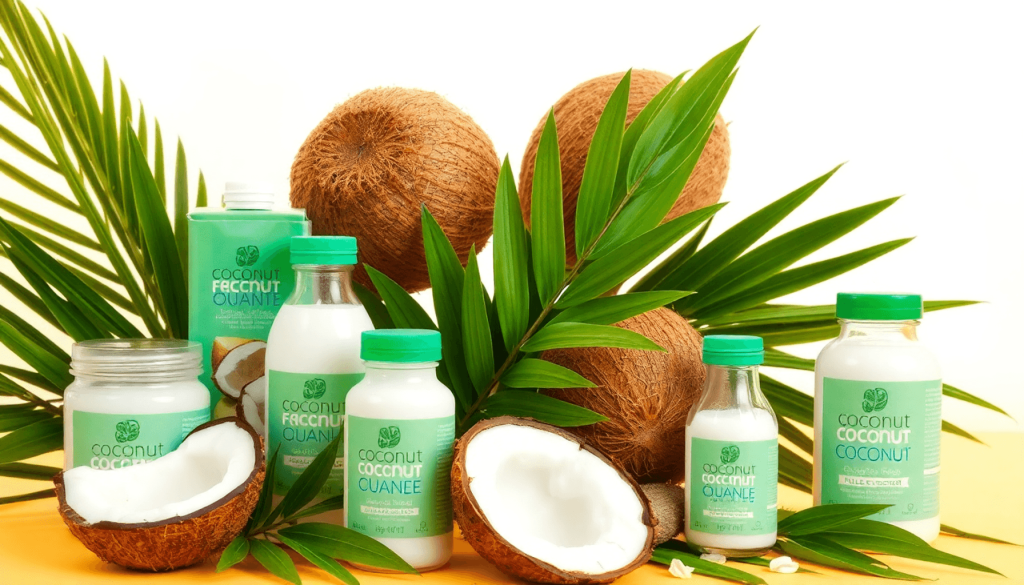
The Coconut Derivatives Market is experiencing significant growth, driven by the increasing demand for coconut-based products across various industries. These products include virgin coconut oil, coconut water, coconut milk, and coconut sugar, each contributing to a dynamic market landscape.
Key highlights of the coconut derivatives market include:
- Diverse Applications: Coconut derivatives are utilized in food and beverage, cosmetics, personal care, and pharmaceuticals.
- Sustainability Focus: A growing emphasis on natural and sustainable ingredients attracts consumers towards coconut products.
- Health Benefits: Rising health consciousness among consumers supports the popularity of coconut-based alternatives.
The 2032 forecast presents an optimistic outlook for this market. Analysts project robust growth rates, influenced by emerging markets and innovations in product development. The evolving consumer preferences toward organic and plant-based options further enhance the market’s potential.
With these factors shaping the industry, stakeholders in the coconut derivatives market must stay informed about trends and opportunities leading up to 2032. This report delves into key insights regarding market size, share, and anticipated developments.
Read More: Innovations and Trends in the Coconut Agroindustry Supply Chain
Market Size Analysis
The Coconut Derivatives Market has shown remarkable growth, reflecting its increasing importance across various industries.
Current Valuation
As of now, the market is valued at approximately USD 4 billion. This figure signifies a robust base for further expansion, driven by heightened consumer interest in natural and sustainable products.
Historical Growth Trends
Over the past five years, the market has experienced a CAGR of around 6%, influenced by rising health awareness and the shift towards plant-based alternatives. Key drivers include the integration of coconut derivatives into food and beverage applications as well as beauty and personal care products.
Forecasted Market Size by 2032
Projections suggest that the Coconut Derivatives Market could reach USD 10 billion by 2032. This anticipated growth stems from several factors, including emerging markets and innovative product developments, such as coconut-based snacks and beverages gaining traction globally.
A clear understanding of these metrics provides valuable insight into the market’s trajectory, positioning stakeholders to make informed decisions. The analysis highlights not only the current landscape but also the promising future ahead for coconut derivatives.
Key Factors Driving Growth
The coconut derivatives market is experiencing significant growth driven by several key factors:
1. Increasing Demand for Sustainable Products
Consumers are increasingly prioritizing sustainability in their purchasing decisions. Coconut-based products are viewed as eco-friendly alternatives, often produced through sustainable farming practices. This shift towards natural and organic ingredients aligns with global trends aimed at reducing environmental impact.
2. Rising Health Consciousness Among Consumers
A growing awareness of health and wellness has led many consumers to seek out healthier options. Coconut derivatives such as virgin coconut oil, coconut water, and coconut sugar are recognized for their health benefits—rich in nutrients and free from artificial additives. This trend is particularly evident among health-conscious individuals looking for plant-based options.
These factors contribute to a robust demand surge across various industries, including food, beauty, and personal care. As consumers become more mindful of their choices, the appeal of coconut derivatives continues to expand.
Market Share Insights
By Product Type
The coconut derivatives market showcases a variety of product types, each catering to different consumer needs and preferences:
1. Virgin Coconut Oil (VCO)
This product has gained immense popularity in health, beauty, and culinary industries. VCO is celebrated for its numerous health benefits, including its antimicrobial properties and high antioxidant content. The versatility of VCO allows it to be used in cooking, skincare, and hair care products, contributing significantly to its market share.
2. Coconut Water
As a functional beverage, coconut water has seen a surge in global demand. Known for its hydrating properties and rich electrolyte content, it appeals to health-conscious consumers and athletes alike. The refreshing taste combined with natural ingredients makes coconut water a preferred choice among beverage options.
3. Coconut Milk and Cream
These products serve as popular plant-based alternatives for food and beverages. Their creamy texture enhances various dishes, from curries to desserts. With the rising trend towards veganism and lactose-free diets, the demand for coconut milk and cream continues to grow across multiple markets.
4. Coconut Sugar
This natural sweetener is gaining traction in health-conscious markets due to its lower glycemic index compared to traditional sugars. Consumers are increasingly seeking healthier alternatives for sweetening their foods and drinks. Coconut sugar not only provides a unique flavor but also aligns with the growing trend of sustainable consumption.
By Application Sector
The application sectors further delineate the market dynamics:
- Food & Beverage: Holding the majority share of the market, coconut derivatives find widespread use in cooking oils, snacks, drinks, and desserts.
- Cosmetics & Personal Care: The clean beauty trend has led to rising adoption of coconut-based products in skincare and haircare formulations.
- Pharmaceuticals: Increasing incorporation of coconut derivatives into dietary supplements highlights their medicinal benefits.
By Region
Regional analysis reveals distinct trends:
- Asia-Pacific: As the dominant producer and exporter of coconut products, this region sets significant trends in production practices.
- North America: An increasing consumer preference for organic products drives growth within this sector.
- Europe: The rise of a vegan population fuels demand for plant-based alternatives such as coconut derivatives.
Exploring these facets provides insight into the evolving landscape of the Coconut Derivatives Market Size, Share, Industry Forecast 2032. With diverse product types aligning with shifting consumer preferences across various sectors, the future looks promising.
By Application Sector
The coconut derivatives market has various applications in different industries, which greatly impacts its growth.
1. Food & Beverage
This sector holds the largest market share due to the widespread use of coconut derivatives in cooking and drinks. Virgin Coconut Oil (VCO) is preferred for its health benefits and ability to enhance flavors. Additionally, coconut water has gained popularity as a functional beverage among health-conscious consumers looking for hydration options.
2. Cosmetics & Personal Care
The clean beauty movement is driving the increasing use of coconut derivatives in this industry. Ingredients such as coconut oil and coconut milk are highly valued for their moisturizing properties, making them essential components in skincare products. To meet consumer demand for organic and sustainable choices, brands are progressively incorporating these natural ingredients.
3. Pharmaceuticals
Coconut derivatives are utilized in supplements and medicinal formulations. The nutritional benefits and potential health advantages of coconut products contribute to their inclusion in dietary supplements. This industry’s growth signifies a rising awareness among consumers about natural health remedies.
Market trends show the distribution of market share based on product types, application sectors, and regional analysis. With the ongoing surge in demand for plant-based coconut products, industry players are well-positioned to take advantage of these trends across various sectors.
By Region
The Coconut Derivatives Market exhibits distinct characteristics across different regions, reflecting varying consumer preferences and production capabilities.
1. Asia-Pacific
This region stands out as the dominant producer and exporter of coconut products. Countries like Indonesia and the Philippines lead in the cultivation of coconuts, resulting in significant contributions to the global supply chain. The presence of established infrastructure supports various product types such as Virgin Coconut Oil (VCO), Coconut Milk and Cream, and Coconut Sugar.
2. North America
The market here is witnessing a surge in consumer preference for organic products. This trend fuels demand for coconut derivatives, particularly in health-conscious segments. Products like Coconut Water are gaining traction due to their functional benefits, aligning with lifestyle choices focused on wellness and sustainability.
3. Europe
A growing vegan population is driving demand for plant-based alternatives. The rise in veganism correlates with increased interest in products like coconut derivatives. Demand for items such as Coconut Milk and Cream is expanding, appealing to consumers seeking dairy alternatives.
Each region’s trends influence the overall Coconut Derivatives Market Size, Share, and Industry Forecast for 2032, showcasing a dynamic landscape shaped by local preferences and global coconut industry trends.
Industry Forecast & Challenges Ahead
The coconut derivatives market is expected to grow significantly, with a projected CAGR (Compound Annual Growth Rate) of about 8% from 2022 to 2032. This growth trend shows that more industries are using coconut-based products and consumers are increasingly choosing natural alternatives.
Emerging Markets Driving Growth
- Asia-Pacific continues to be the leader in both producing and consuming coconuts.
- Latin America and Africa are emerging markets, gaining influence in the global coconut industry.
- More investments in these regions are improving export capabilities and boosting local economies.
Challenges on the Horizon
Even with positive predictions, there are several challenges that could threaten the stability of the industry:
- Climate Change Impact: Unpredictable weather patterns can harm coconut production, affecting both yield and quality.
- Production Issues: Pests and diseases can result in lower harvests, disrupting supply chains.
- Sustainability concerns require innovative practices to ensure long-term viability.
To overcome these challenges, collaboration among stakeholders is crucial. This includes farmers, manufacturers, and researchers working together. The future of the coconut derivatives market depends on seizing growth opportunities while also addressing risks related to environmental factors.
Conclusion
The coconut derivatives market is expected to grow significantly, driven by increasing consumer demand for sustainable and natural products. Key trends shaping the coconut derivatives outlook include:
- Rising health consciousness promoting coconut-based offerings.
- Expansion of applications across various sectors such as food, cosmetics, and pharmaceuticals.
- Innovations from companies like Ralali enhancing product development and market reach.
With a projected increase in market size and share through 2032, the future of the coconut derivatives industry looks promising. Staying attuned to changing consumer preferences will be essential for stakeholders in making the most of this dynamic market.
FAQs (Frequently Asked Questions)
The current valuation of the coconut derivatives market reflects historical growth trends, with significant expansion projected by 2032. Specific figures can vary based on recent analyses and reports.
Key factors driving growth include increasing demand for sustainable and natural products, as well as rising health consciousness among consumers seeking healthier alternatives.
The main product types in the coconut derivatives market include Virgin Coconut Oil (VCO), Coconut Water, Coconut Milk and Cream, and Coconut Sugar, each catering to different sectors such as food & beverage, cosmetics, and pharmaceuticals.
The forecast for the coconut derivatives market by 2032 indicates strong growth potential, driven by emerging markets and an increasing preference for plant-based products across various industries.
Pingback:Innovations and Trends in the Coconut Agroindustry Supply Chain - Indonesia Supplier