
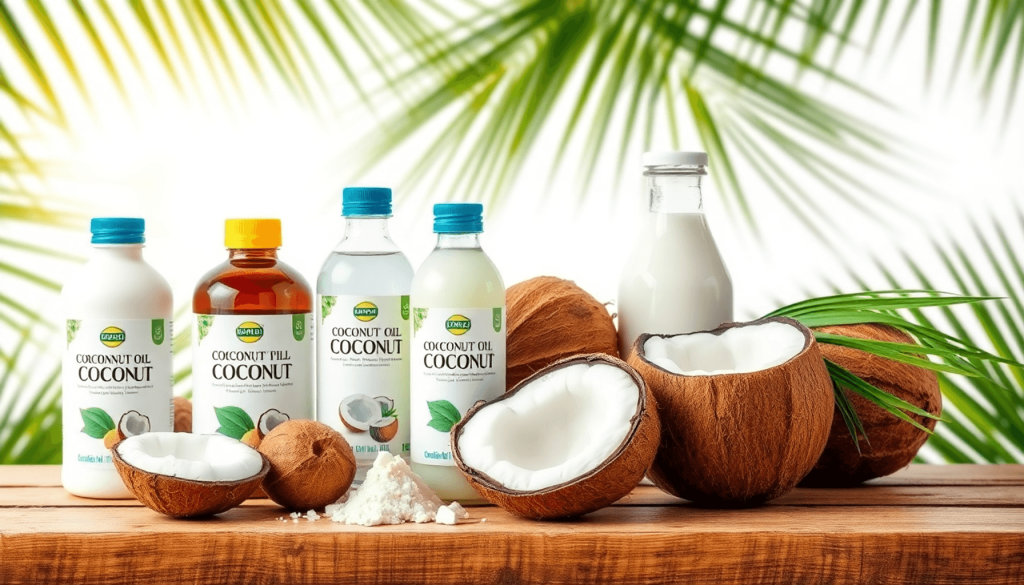
The coconut derivatives market is gaining significant traction globally, reflecting its increasing importance across various sectors. With a valuation projected to surge from approximately USD 14 billion in 2022 to an estimated USD 27.5 billion by 2031, this market demonstrates a robust CAGR of 10.51% from 2023 to 2031.
Key Factors Driving Growth
Several factors are contributing to this remarkable growth:
- Rising consumer awareness about the health benefits associated with coconut products.
- Expanding popularity of vegan diets and organic food options.
- Increasing demand for plant-based ingredients, especially post-COVID-19.
Products and Applications
Coconut derivatives include a wide range of products such as coconut oil, water, milk, and flour. These products are used in various industries including:
- Food and Beverage: Used for cooking and as natural flavor enhancers.
- Cosmetics and Personal Care: Valued for their moisturizing properties and natural appeal.
- Pharmaceuticals: Integrated into supplements due to their nutritional benefits.
The coconut derivatives market forecast for 2026 indicates that consumer preferences are shifting towards healthier lifestyle choices, solidifying the market’s potential for continued expansion.
Market Size and Revenue Growth
The current market valuation of the coconut derivatives sector stands at approximately USD 14 billion as of 2022. Historical growth trends demonstrate a steady increase, fueled by rising consumer awareness regarding health benefits associated with coconut-based products.
Projected Revenue by 2026
Analysts anticipate that the market will expand significantly, reaching around USD 27.5 billion by 2031.
Expected CAGR
The sector is projected to grow at a robust Compound Annual Growth Rate (CAGR) of 10.51% from 2023 to 2031.
Several factors contribute to this revenue growth:
- Increasing preference for natural and organic products among consumers.
- The rising popularity of vegan diets and health-focused lifestyles.
- Expanding applications of coconut derivatives across various industries such as food, beverages, cosmetics, and pharmaceuticals.
These dynamics illustrate the momentum driving the global coconut industry revenue growth.
Market Segmentation
By Product Type
The coconut derivatives market is diverse, encompassing various products that cater to multiple consumer needs. Key product types include:
- Virgin Coconut Oil (VCO): This product has witnessed a surge in demand across health, beauty, and culinary sectors. Rich in medium-chain triglycerides (MCTs), VCO is celebrated for its numerous health benefits, including its ability to boost metabolism and support skin health.
- Coconut Water: Recognized as a popular functional beverage, coconut water has gained global appeal due to its natural electrolyte properties. Many consumers prefer it as a refreshing alternative to sugary drinks, driving significant growth in this segment.
- Coconut Milk and Cream: These plant-based alternatives have emerged as staples in cooking and beverages. With the rise of veganism and lactose intolerance awareness, coconut milk and cream are increasingly used in dairy-free recipes, enhancing their market presence.
- Coconut Sugar: As a natural sweetener, coconut sugar is gaining traction among health-conscious consumers. Its low glycemic index makes it an attractive alternative to refined sugars, aligning with the growing trend towards healthier eating habits.
- Desiccated Coconut: This product finds wide usage in baking and processed foods. Its versatility allows it to be incorporated into various recipes, making it a favored choice among both home cooks and food manufacturers.
By Application
The applications of coconut derivatives further highlight their significance in different industries:
- Food & Beverage: This leading segment utilizes coconut products for their versatility, enhancing flavors and nutritional profiles across numerous culinary applications.
- Cosmetics & Personal Care: The clean beauty movement fuels growth in this sector as consumers gravitate towards natural ingredients known for their moisturizing and healing properties.
- Pharmaceuticals: An increasing number of supplements and medicinal products incorporate coconut derivatives due to their health benefits, expanding opportunities within this application area.
By Region
Geographical segmentation reveals distinct trends across regions:
- Asia-Pacific: Dominating production with ideal cultivation conditions, this region is home to major exporters like Indonesia and the Philippines.
- North America: As the largest market by revenue, North American trends reflect a strong preference for health-conscious products that utilize coconut derivatives.
Each segment illustrates how the coconut derivatives landscape is evolving rapidly, influenced by changing consumer preferences toward plant-based ingredients. This evolution is set against the backdrop of the projected growth trajectory leading up to 2026.
By Application
The coconut derivatives market showcases diverse applications across various sectors. Each segment reflects the growing consumer demand for natural and healthy products.
1. Food & Beverage
This segment leads the market, driven by the versatile uses of coconut derivatives in cooking and drinks. Products like virgin coconut oil and coconut milk are staples for health-conscious consumers seeking plant-based alternatives. Coconut water has gained popularity as a refreshing beverage, appealing to those looking for natural hydration options.
2. Cosmetics & Personal Care
The clean beauty trend fuels growth in this sector. Virgin coconut oil is a key ingredient in many skincare products due to its moisturizing properties. Brands are increasingly emphasizing natural ingredients, making coconut derivatives integral to formulations aimed at health-conscious consumers.
3. Pharmaceuticals
There is a rising trend in using coconut derivatives in supplements and medicinal products. Their anti-inflammatory properties and rich nutritional profiles position them favorably within the wellness sector. As awareness grows regarding the health benefits of these products, their application in pharmaceuticals continues to expand.
The segmentation by application highlights how varying consumer preferences are shaping the landscape of the coconut derivatives market. Each category offers substantial growth potential, aligning with current trends towards plant-based and natural solutions.
By Region
The coconut derivatives market is significantly influenced by regional factors, with three main areas leading the way:
1. Asia-Pacific
This region is the largest producer of coconut derivatives. The favorable climate conditions here support extensive cultivation. Major exporting countries such as Indonesia, the Philippines, and India play a significant role in global supply. The high demand for products like virgin coconut oil and coconut water further strengthens the region’s market position.
2. North America
North America is a major player in terms of revenue, benefiting from the increasing trend of health-conscious consumers. There is a surge in demand for plant-based coconut products, driven by the preference for natural alternatives in food and personal care applications. This growing interest solidifies North America’s position as a profitable market segment.
3. Other Regions
Europe is experiencing rapid growth in demand, particularly for non-dairy options like coconut milk. Emerging markets in Africa and Latin America also show potential for increased contributions to the global coconut derivatives market. These regions are starting to recognize the advantages of coconut products, aligning with global health trends.
Regional analysis shows a complex interaction between production capabilities and consumer preferences in various markets. The distinct characteristics of each region play a crucial role in shaping the future of the coconut derivatives industry.
Demand Trends Influencing Market Growth
The coconut derivatives market is experiencing significant shifts driven by changing consumer preferences. Key trends include:
- Surge in demand for plant-based ingredients: The COVID-19 pandemic has heightened awareness around health and wellness, prompting consumers to seek natural alternatives. Coconut products, known for their nutritional benefits, have emerged as favorable options.
- Impact of the vegan diet trend: As more individuals adopt vegan lifestyles, coconut derivatives are increasingly utilized in various applications. Virgin coconut oil, coconut milk, and coconut sugar are gaining popularity as essential components in plant-based recipes.
These trends position the coconut derivatives market for robust growth. With projections indicating revenues will soar by 2026, businesses are aligning their strategies to capture this evolving consumer landscape, reinforcing the importance of innovation and sustainability in product offerings.
Sustainability in Coconut Farming Practices
Sustainable farming practices are vital for the long-term viability of coconut production. Key aspects include:
- Soil Health: Implementing crop rotation and organic fertilizers to maintain soil fertility.
- Water Management: Utilizing efficient irrigation systems to conserve water resources.
- Biodiversity: Encouraging intercropping with other plants to enhance ecosystem diversity and resilience.
These sustainable coconut farming practices not only support environmental health but also improve the quality and yield of coconut products. As consumer demand for ethically sourced ingredients grows, adopting these practices becomes essential in meeting market expectations while ensuring a stable supply chain.
Competitive Landscape
The coconut derivatives market has several key players:
- Cargill Inc.: A major player in the market known for its wide range of products and efficient supply chain.
- Barry Callebaut: Focuses on innovation in coconut-based products, enhancing their appeal in various applications.
These companies prioritize product innovation and sustainable sourcing practices, which are essential for gaining market share. Their efforts align with the increasing consumer demand for healthier options. As the market changes, these companies adjust to trends to stay competitive while promoting sustainability in coconut farming and processing.
Conclusion
The Coconut Derivatives Market is expected to grow significantly, with projected revenues reaching new heights by 2026. Several key factors are driving this growth:
- Increased consumer awareness of the health benefits associated with coconut products.
- Growing demand for natural and organic ingredients across various industries.
- The rise in popularity of vegan diets, which promotes the use of plant-based alternatives.
While there are challenges such as climate change affecting the stability of coconut production, these obstacles also present opportunities for innovation and sustainable practices within the industry. Companies that adapt by:
- Investing in sustainable farming techniques
- Expanding product lines to cater to changing consumer preferences
- Implementing health-focused marketing strategies
can gain a larger share of the market. The Asia-Pacific region continues to be a dominant player due to its favorable conditions for coconut cultivation. North America and Europe are also emerging as important markets, particularly for non-dairy alternatives.
As the market evolves, it is crucial for stakeholders to stay alert about shifting trends and consumer demands. The future outlook for the coconut derivatives market is promising, with ample opportunities for growth driven by changing lifestyle choices and increasing health consciousness among consumers.
FAQs (Frequently Asked Questions)
The current market valuation of the coconut derivatives market reflects significant historical growth trends, with projections indicating substantial revenue increases by 2026.
Key drivers include increasing consumer preference for natural and organic products, a surge in demand for plant-based ingredients, and the rising popularity of vegan diets.
The dominant product types in the coconut derivatives market include Virgin Coconut Oil (VCO), Coconut Water, Coconut Milk and Cream, Coconut Sugar, and Desiccated Coconut, each catering to various applications across industries.
The coconut derivatives market is segmented into several applications including Food & Beverage, Cosmetics & Personal Care, and Pharmaceuticals, with Food & Beverage being the leading segment due to its versatile uses.
Pingback:Coconut Products Market to Surge to $38.58 Billion by 2030: Health Trends and Plant-Based Demand Fuel 8.4% CAGR Growth - Indonesia Supplier