

The Coconut Renaissance: Indonesia’s Role in Reviving Ancient Coconut-Based Medicines and Modern Nutrition
The coconut holds a revered place in traditional Indonesian medicine, known locally as jamu. This ancient practice utilizes various parts of the coconut palm, including the fruit, water, and oil, to create remedies believed to promote health and well-being. Historical records indicate that Indonesians have harnessed the therapeutic properties of coconuts for centuries, treating ailments such as digestive issues and skin conditions.
A Resurgence of Interest in Coconut-Based Products
In recent years, there has been a resurgence of interest in coconut-based products. Driven by a growing awareness of health and nutrition, consumers worldwide are turning to natural remedies. The coconut renaissance highlights not only the nutritional benefits but also the cultural significance of these traditional practices. Key factors fueling this revival include:
- Increased demand for natural and plant-based products.
- Scientific validation of traditional uses through modern research.
- The versatility of coconut in various culinary applications.
Read More: Utilization of Coconut Fiber (Coco Fiber) for Handicraft and Industrial Product
Bridging Tradition with Contemporary Dietary Needs
This renewed focus on coconuts emphasizes their potential role in modern nutrition while honoring ancient wisdom. Indonesia stands at the forefront of this movement, bridging tradition with contemporary dietary needs.
The Nutritional Power of Coconut Haustorium
Recent studies have shown that the coconut haustorium is an important part of nutritional science, with potential benefits and uses. This often-overlooked part of the coconut plant is now getting attention for its impressive nutrient profile.
Key Findings on Nutritional Content
Here are some key findings about the nutritional content of coconut haustorium:
- High Moisture Content: The coconut haustorium has a very high moisture content, making it an excellent hydrating ingredient.
- Carbohydrate Composition: It is rich in carbohydrates, providing a quick source of energy, which is appealing to those looking for natural energy boosters.
- Fat and Protein Composition: The haustorium contains healthy fats and a significant amount of protein, offering a balanced nutritional profile that supports muscle growth and overall health.
- Significant Lysine Content: One notable feature of coconut haustorium is its high lysine content. Lysine is an essential amino acid that plays a crucial role in protein synthesis, immune function, and calcium absorption.
Potential Implications for Medicinal Use
The nutritional qualities of coconut haustorium go beyond general health benefits. Traditional uses of coconut parts for medicinal purposes are now being confirmed by modern research. The rich composition may enhance:
- Immune Support: The presence of lysine and other nutrients could strengthen immune responses.
- Digestive Health: The high moisture and fiber content may promote digestive wellness.
- Energy and Recovery: Athletes and active individuals might find coconut haustorium beneficial for energy replenishment and muscle recovery.
As research continues to uncover its full range of health benefits, the coconut haustorium represents a connection between ancient wisdom and modern nutritional science. This powerful component not only preserves traditional practices but also opens up new opportunities for creating innovative health products that meet today’s dietary needs.
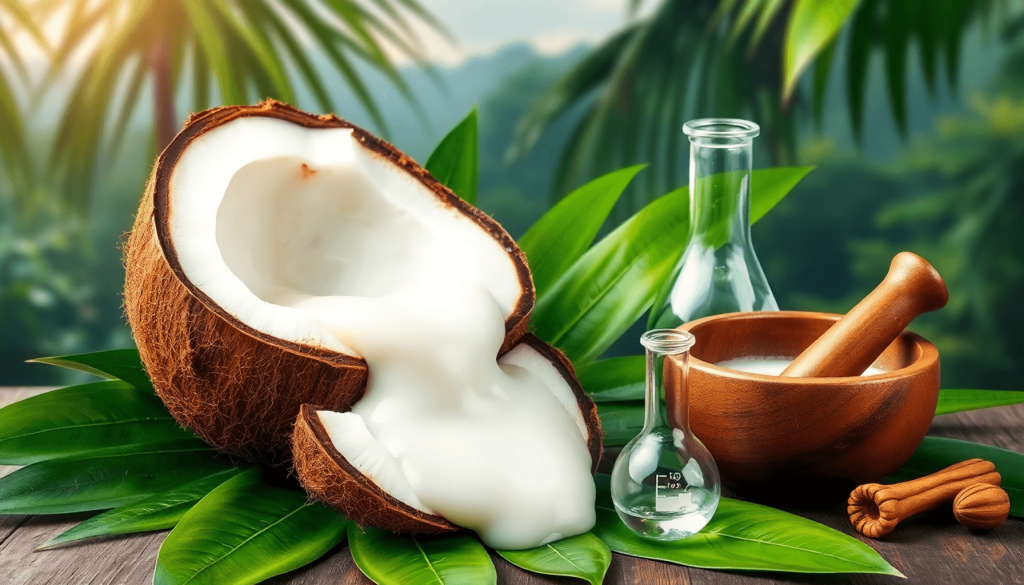
Ancient Wisdom Meets Modern Science
Traditional Indonesian coconut-based remedies have been integral to local healthcare for generations. Practices such as using coconut oil for skin ailments or coconut water as a hydration source during illness reflect the deep-rooted belief in the therapeutic properties of this versatile fruit.
Recent nutritional findings lend credibility to these traditional uses. Research reveals that the coconut haustorium, a part of the plant once overlooked, contains essential amino acids and high moisture content, aligning with the historical applications of coconuts. This convergence of ancient knowledge and contemporary science highlights several key aspects:
- Support for Traditional Uses: The presence of significant lysine levels suggests potential benefits for muscle repair and immune function, echoing traditional beliefs about coconuts promoting overall health.
- Medicinal Development Opportunities: Insights into the chemical composition of the haustorium open doors for creating new medicines. For instance, its rich nutritional profile may inspire innovative treatments for malnutrition or digestive disorders.
- Bridging Cultures: Collaborations between traditional healers and modern scientists foster an environment where ancient practices can be validated through rigorous research methods, enhancing their efficacy and safety.
The synergy between traditional remedies and modern scientific inquiry not only preserves cultural heritage but also paves the way for groundbreaking medicinal developments rooted in Indonesia’s rich botanical history. This exploration continues to illuminate the untapped potential of coconut-based solutions in contemporary healthcare.
Indonesia’s Unique Role in the Coconut Renaissance
Indonesia is one of the largest coconut producers in the world, playing a crucial role in both local and global coconut supply. The country has extensive plantations that thrive in its tropical climate, producing a wide variety of coconut products. This abundance presents an opportunity to combine traditional knowledge with modern nutritional science.
Preserving Traditional Practices
The rich cultural heritage surrounding coconuts in Indonesia is evident in local practices and remedies that have been passed down through generations. Traditional healers possess invaluable insights into the therapeutic applications of various coconut parts, such as the water, oil, and haustorium. This ancestral wisdom highlights the importance of preserving these practices amidst the modern rush for innovation.
Collaboration for Validation
Collaboration is key to enhancing understanding and validating these traditional practices. Partnerships between traditional healers and modern researchers are becoming increasingly common, fostering a dynamic exchange of knowledge. For instance, researchers may study traditional methods while healers provide firsthand insights into the efficacy of coconut-based remedies. This collaboration not only legitimizes ancient techniques but also opens doors for developing new coconut-derived medicines.
Innovation with Respect
As the world embraces The Coconut Renaissance: Indonesia’s Role in Reviving Ancient Coconut-Based Medicines and Modern Nutrition, this unique positioning creates fertile ground for innovation while respecting cultural heritage. The potential for sustainable development within this sector remains promising, ensuring that both traditional wisdom and modern science progress hand in hand.
Coconut in Plant-Based Diets: A Bridge Between Ancient and Modern
The rise of plant-based diets has captured the attention of consumers worldwide, driven by a desire for healthier lifestyles and sustainable food choices. This trend resonates deeply within Indonesia, where coconuts have long been a staple in both culinary traditions and medicinal practices. The nutritional benefits of coconut products offer a rich tapestry for those embracing plant-based eating.
Key benefits include:
- High Nutritional Value: Coconut products, such as coconut milk and oil, are packed with essential nutrients. They provide medium-chain triglycerides (MCTs), known for their quick energy release and potential weight management benefits.
- Versatile Ingredients: From coconut water to desiccated coconut, these products can enhance the flavor and texture of various dishes while adding valuable nutrients.
- Rich in Fiber: The fibrous nature of coconut supports digestive health, making it an excellent addition to a balanced diet.
Research into the coconut haustorium enhances understanding of this tropical fruit’s potential. Rich in moisture, carbohydrates, fats, and proteins, the haustorium shows promise not only as a culinary ingredient but also as a base for innovative food products.
As studies continue to uncover the unique properties of haustorium, there lies significant potential for developing future food products that combine traditional wisdom with modern nutritional science. By harnessing this ancient knowledge alongside contemporary research, Indonesia could lead the charge in creating new plant-based offerings that cater to evolving consumer preferences while honoring its rich cultural heritage.

Challenges and Opportunities in the Coconut Industry
The coconut industry in Indonesia faces a dual challenge: balancing sustainable harvesting practices with the increasing market demand for coconut-based products. As global interest surges, preserving the longevity of resources becomes essential. Key points to consider include:
1. Sustainable Harvesting Practices
Implementing eco-friendly techniques ensures that coconut trees can thrive for generations. This includes avoiding over-exploitation and promoting replanting efforts.
2. Market Demand’s Impact on Production
The rising consumption of coconut products opens opportunities for farmers but also pressures them to meet high demands. Achieving this balance is crucial to prevent environmental degradation.
3. Innovation and Cultural Preservation
Innovations within the industry can enhance product offerings while respecting traditional knowledge. Collaborations between local communities and researchers foster new developments in coconut-based medicines and nutritional products, aligning with the principles of The Coconut Renaissance.
By addressing these challenges, Indonesia can lead the way in creating a sustainable future for its coconut industry. Embracing both ancient wisdom and modern advancements will allow for continued growth while safeguarding cultural heritage and natural resources.
FAQs (Frequently Asked Questions)
The Coconut Renaissance refers to the revival of interest in coconut-based products, particularly in Indonesia, where traditional uses of coconuts in medicine and nutrition are being rediscovered and integrated with modern scientific research.
Recent research on coconut haustorium highlights its nutritional power, revealing high moisture content, significant carbohydrate, fat, and protein composition, along with notable lysine content. These findings suggest potential medicinal uses that align with traditional practices.
Traditional Indonesian medicine employs various coconut-based remedies, known as jamu, which leverage the diverse health benefits of coconuts. The resurgence of interest in these remedies is supported by new nutritional findings that validate their historical use.
Indonesia is one of the largest producers of coconuts globally, with a rich cultural heritage that preserves traditional knowledge about coconut uses. This unique position allows for collaboration between traditional healers and modern researchers to enhance understanding and innovation.
Pingback:Utilization of Coconut Fiber (Coco Fiber) for Handicraft and Industrial Product - Indonesia Supplier