Menu Close

Category: Indonesian Coconut

Coconut: Exploring Indonesia’s Golden Crop and Global Market Potential

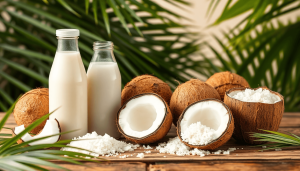
Welcome to the Coconut category, your comprehensive resource for navigating the vast and lucrative world of Indonesia’s “Tree of Life.” As the world’s largest coconut producer, Indonesia is more than just a source of raw materials; it is the global epicenter for coconut innovation, processing, and trade. This category is specially curated for B2B players—importers, processors, large-scale food and beverage manufacturers, and distributors—who seek in-depth knowledge and market intelligence on one of the nation’s most versatile and economically vital commodities.

The coconut palm (Cocos nucifera) holds immense economic value, extending far beyond the food industry. From its water and meat to the shell and husk, every part of the coconut is a high-value product. Our articles will deep dive into the entire supply chain, offering insights into the latest cultivation techniques, commodity pricing trends, critical export regulations, and, most importantly, the downstream processing capabilities that define Indonesia’s competitive edge. Whether you are looking to secure a sustainable source of virgin coconut oil (VCO), large volumes of desiccated coconut, or seeking high-quality activated carbon from coconut shells, this is your definitive hub.


The Power of Downstreaming: Converting Raw Coconut into Global Products

Indonesia’s true strength in the coconut sector lies in its commitment to downstreaming—transforming the raw fruit into refined, export-ready industrial products. This process maximizes the economic return and ensures product standardization necessary for the global market. Our articles provide essential analysis on four main derivative products that dominate the export market:

1. Coconut Oil Derivatives (Food & Health)

The global demand for healthy fats and functional food ingredients is driving the coconut oil market. We explore the processes, quality control standards, and market dynamics of:

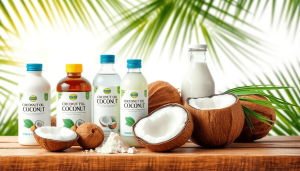
  • Virgin Coconut Oil (VCO): A key product in the health and cosmetics industry, we analyze the cold-press extraction methods, regulatory requirements (BPOM, FDA), and sourcing strategies for certified organic VCO.
  • Refined, Bleached, and Deodorized (RBD) Coconut Oil: Essential for the industrial food processing sector (confectionery, bakery), articles here cover industrial-scale refining, quality consistency, and bulk supply chain logistics.


2. Edible Coconut Products (Culinary Staples)

Indonesia is a reliable supplier of standardized coconut ingredients crucial for food manufacturers worldwide. We detail the production of:

  • Desiccated Coconut (DC): Used extensively in snacks, cereals, and confectionery. We provide insights on achieving specific fat content levels and granular sizes required by international buyers.
  • Coconut Cream and Milk: The industrial process of UHT (Ultra High Temperature) treatment for packaged coconut milk and cream, ensuring long shelf life and consistent viscosity for beverage and culinary brands globally.


3. Non-Food Industrial Products (Bioenergy & Fiber)

The utilization of coconut waste highlights Indonesia’s commitment to a circular economy. These industrial products offer high-margin opportunities:

  • Activated Carbon: Sourced from coconut shells, this product is highly sought after for water filtration, air purification, and industrial processes. Our content covers the best pyrolysis techniques and quality requirements (iodine number) for export.
  • Cocopeat and Coir Fiber: Byproducts of the husk, these are crucial for the global horticultural and agricultural sectors. We offer guidance on moisture content management and baling standards for large-scale shipment.


Navigating the Indonesian Coconut Supply Chain: Challenges and Opportunities

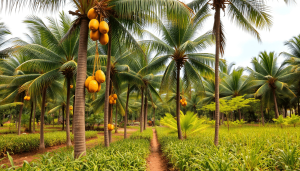
The Indonesian coconut industry is vast, yet it is often characterized by a fragmented supply chain, relying heavily on smallholder farmers spread across numerous islands, from Sulawesi and Maluku to Sumatra. Successfully investing in and procuring Indonesian coconut products requires a nuanced understanding of these complexities.


Investment and Sourcing Strategies

Our content focuses on practical strategies for B2B players, including:

  • Geographical Sourcing: Comparative analysis of coconut varieties and processing efficiencies across different major production regions (e.g., quality of copra from Sulawesi vs. VCO production centers in Sumatra).
  • Sustainability and Certification: Guidance on working with suppliers who adhere to sustainable practices, fair trade principles, and obtaining relevant certifications (Rainforest Alliance, Organic, Halal) to meet consumer and regulatory demands in destination markets.
  • Logistics and Export Compliance: Detailed guides on managing bulk shipments, optimizing container loading for different derivative products (liquid oils vs. solid fibers), and navigating Indonesian customs and export documentation requirements.


Technology and Modernization

The future of the Indonesian coconut industry depends on modernization. We cover the integration of new technologies, such as advanced oil extraction machinery, drone-based farm monitoring to improve yields, and digital platforms that connect large-scale buyers directly with processing facilities, thereby reducing intermediary costs and increasing price transparency.

By positioning yourself at the forefront of this knowledge, you can mitigate risks associated with commodity price volatility and supply chain fragmentation. This Coconut category is designed to empower your strategic decisions, ensuring your investment and sourcing in the Indonesian coconut sector are both profitable and sustainable.

Explore the articles below to unlock the full potential of Indonesia’s golden crop and strengthen your position in the global coconut market.