
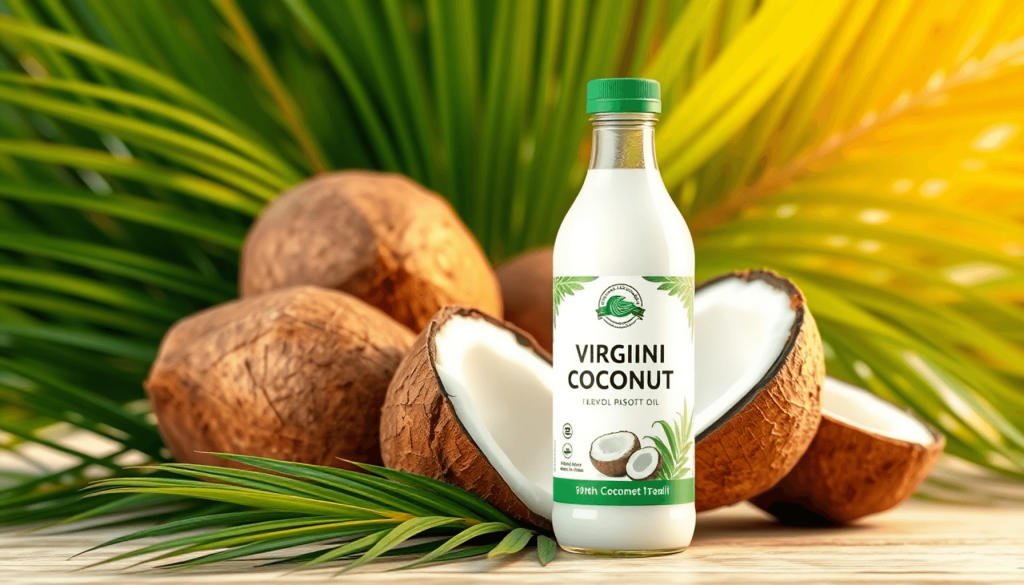
Indonesia is one of the largest producers of coconuts in the world. The country’s coconut industry is important for its economy and cultural heritage. With over 3.5 million hectares of land used for coconut farming, Indonesia not only meets local demand but also exports a significant amount of coconut products.
Coconut products are highly sought after globally and include:
- Virgin Coconut Oil (VCO)
- Coconut Sugar
- Coconut Milk
These products have great economic potential, providing income for farmers and promoting sustainable agricultural practices. As more consumers seek natural and health-conscious options, Indonesia’s coconut products are gaining international recognition. This article explores the 15 most important coconut derivative products from Indonesia, highlighting their unique features and applications.
Read More: Understanding Coconut Beverages
Edible Products
1. Virgin Coconut Oil (VCO)
Virgin Coconut Oil (VCO) is a standout product derived from fresh coconut meat, renowned for its purity and health benefits. The extraction process involves cold-pressing the coconut flesh, ensuring that the oil retains its natural nutrients and flavor.
Health Benefits
VCO is rich in medium-chain triglycerides (MCTs), which are easily metabolized by the body. This oil supports weight management, boosts energy levels, and enhances brain function. Additionally, its antimicrobial properties contribute to improved gut health and immune support.
Culinary Uses
In cooking, VCO shines as a versatile ingredient. It can be used for sautéing, frying, or drizzling over salads. The subtle coconut flavor enhances various dishes, particularly in Southeast Asian cuisines. Many people appreciate VCO as a dairy-free alternative in baking or smoothie preparation.
Cosmetic Applications
Beyond the kitchen, VCO has gained popularity in the beauty industry. Its moisturizing properties make it ideal for skin care products and hair treatments. Users often apply it directly to the skin to hydrate or as a natural makeup remover. In hair care, VCO helps reduce protein loss and adds shine.
The multifunctional nature of Virgin Coconut Oil positions it as an essential item among coconut derivative products from Indonesia. Its versatility appeals to health-conscious consumers while supporting local economies through sustainable practices in coconut cultivation.
2. Refined, Bleached, and Deodorized (RBD) Coconut Oil
Refined, Bleached, and Deodorized (RBD) Coconut Oil is a processed form of coconut oil that serves various industrial applications. Unlike Virgin Coconut Oil (VCO), RBD oil undergoes refining processes to remove impurities, color, and odor. This results in a product with:
- Higher Smoke Point: RBD Coconut Oil has a smoke point of approximately 450°F (232°C), making it ideal for high-heat cooking methods such as frying and sautéing.
- Versatile Industrial Uses: Its neutral flavor and stability make RBD coconut oil suitable for food manufacturing, cosmetics, and even biodiesel production.
When comparing RBD Coconut Oil to VCO, the latter retains more nutrients due to its minimal processing. However, for industrial applications where flavor neutrality is essential, RBD oil is often preferred.
This product exemplifies the versatility of coconut derivative products from Indonesia while showcasing the balance between health benefits found in Virgin Coconut Oil and practical applications of RBD oil.
3. Coconut Milk
Coconut milk is a versatile ingredient extracted from the flesh of mature coconuts. The process involves grating the coconut meat, mixing it with water, and straining it to yield a creamy liquid. This rich product is essential in various cuisines around the world, particularly in Southeast Asia, where it enhances the flavors of dishes such as curries, soups, and desserts.
Culinary Applications:
- Southeast Asian Dishes: Integral for curries and soups.
- Beverages: Used in smoothies and cocktails.
- Baking: Adds moisture to cakes and pastries.
Nutritional Value:
Coconut milk is not only delicious but also nutritious. It contains healthy fats, vitamins, and minerals that contribute to overall health. Compared to other dairy alternatives, coconut milk offers unique properties:
- Rich in Lauric Acid: Supports immune health.
- Low in Carbohydrates: A suitable option for low-carb diets.
As one of Indonesia’s key coconut derivative products, coconut milk stands out alongside Virgin Coconut Oil (VCO) and Coconut Sugar, showcasing the diversity of benefits derived from coconuts.
4. Coconut Water
Coconut water, the clear liquid extracted from young coconuts, is becoming increasingly popular as a refreshing natural beverage. Its appeal lies in several key attributes:
- Hydrating Properties: Coconut water is known for its exceptional hydrating qualities. It replenishes fluids lost during exercise or hot weather, making it an ideal choice for athletes and health-conscious individuals.
- Electrolyte Content: Rich in electrolytes like potassium, sodium, and magnesium, coconut water serves as a natural isotonic drink. These components help maintain electrolyte balance in the body, supporting overall hydration and muscle function.
- Popularity as a Natural Beverage: With rising health trends, coconut water has gained traction globally as a healthy alternative to sugary drinks and artificial beverages. Its light taste and nutritional benefits position it favorably in the market alongside other coconut derivative products such as Virgin Coconut Oil (VCO), Coconut Milk, and Coconut Sugar.
This refreshing drink not only highlights the versatility of coconuts but also contributes significantly to Indonesia’s economy through exports and local consumption.
5. Coconut Sugar
Coconut sugar is a remarkable product derived from the sap of coconut blossoms. This natural sweetener has gained recognition for its numerous benefits and versatility in culinary applications.
1. Production Process
The sap is collected from flower buds, heated to evaporate water content, and then crystallized into granules. This process preserves its nutrients, making it a wholesome alternative.
2. Healthier Alternative
With a lower glycemic index compared to refined sugars, coconut sugar offers a more stable energy release, making it suitable for those monitoring their sugar intake.
3. Culinary Uses
Coconut sugar can be used in various recipes, from baking to beverages. It complements dishes well, enhancing flavors without overpowering them.
As you explore the vast array of coconut derivative products, remember the importance of coconut sugar in promoting healthier eating habits while enjoying delightful flavors.
6. Desiccated Coconut
Desiccated coconut is a versatile ingredient derived from fresh coconut meat. It undergoes a drying process, resulting in finely shredded, moisture-removed coconut that retains its rich flavor.
Uses in Baking and Confectionery
- Ideal for adding texture and flavor to various baked goods such as cakes, cookies, and muffins.
- Commonly used in desserts like coconut macaroons and as a topping for pastries.
Long Shelf Life Benefits
- Desiccated coconut has an extended shelf life due to its low moisture content, making it a convenient pantry staple.
- Its durability allows for easy storage and use over time without significant loss of flavor or quality.
As you explore other coconut derivative products, consider how desiccated coconut complements items like Virgin Coconut Oil (VCO), Coconut Milk, and Coconut Sugar in both culinary applications and nutritional benefits.
Non-Edible Products
1. Coconut Coir
Coconut coir is a versatile and eco-friendly product derived from the fibrous husk of coconuts. The extraction process involves soaking the husks in water to loosen the fibers, followed by mechanical processing to separate the long, strong strands of coir. This natural material has gained significant attention for its various applications, particularly in horticulture and erosion control.
Applications in Horticulture:
- Growing Medium: Coconut coir is often used as a growing medium for plants. It offers excellent water retention and aeration properties, making it an ideal substrate for gardening and hydroponics.
- Soil Amendment: Its fibrous structure enhances soil quality by improving drainage and nutrient retention, promoting healthier plant growth.
Erosion Control:
- Geotextiles: Coir mats and blankets are employed in erosion control efforts. They protect soil from being washed away during rainstorms while promoting vegetation growth.
- Reforestation Projects: Coir products support reforestation initiatives by stabilizing soil and providing a conducive environment for newly planted trees.
The applications of coconut coir reflect its importance as one of the 15 Most Important Coconut Derivative Products from Indonesia. Its sustainability contributes to environmental conservation efforts while meeting the needs of various industries.
2. Coconut Shell Charcoal
Coconut Shell Charcoal is a valuable product made from coconut shells that would otherwise go to waste. The production process involves heating the shells at high temperatures to convert them into a porous material with many uses.
Key characteristics and uses include:
- Production from shell waste: Utilizing coconut shells, which are often discarded, promotes sustainability by reducing waste while providing a useful product.
- Applications in pharmaceuticals: Coconut Shell Charcoal is used in various medicinal formulations for its detoxifying properties, helping to remove impurities from the body.
- Skin care benefits: This charcoal is popular in skincare products for its ability to absorb excess oil and impurities, making it an effective ingredient in masks and cleansers.
Coconut Shell Charcoal exemplifies the versatility of coconut derivatives, showcasing how residues from coconut processing can lead to innovative and sustainable solutions within the growing market of Coconut Coir products and Coconut Charcoal products.
3. Activated Carbon
Activated carbon, made from coconut shell charcoal, is a highly porous material known for its excellent filtration and detoxification abilities. This product is becoming more widely recognized for its various uses, which include:
- Water Filtration: Effectively removes impurities and contaminants from drinking water, improving its safety and taste.
- Air Purification: Absorbs harmful gases and odors, making it ideal for use in air purifiers and masks.
- Medical Uses: Utilized in treating poisonings and overdoses by binding toxins in the gastrointestinal tract.
The production of activated carbon from coconut coir products not only maximizes the use of coconut resources but also supports sustainable practices within Indonesia’s coconut industry. As one of the 15 Most Important Coconut Derivative Products from Indonesia, activated carbon demonstrates the versatility of coconuts while contributing to health and environmental solutions.
Conclusion
Coconut products from Indonesia are essential in the global market, demonstrating their flexibility and economic significance. The 15 Most Important Coconut Derivative Products from Indonesia consist of various edible and non-edible items that serve different purposes:
- Edible Products: Virgin coconut oil, coconut milk, coconut sugar, and more.
- Non-Edible Products: Coconut coir, charcoal, and activated carbon.
These products showcase sustainable methods and make substantial contributions to both local and international trade. By embracing coconut derivatives, consumers can enjoy health advantages and environmentally friendly choices across multiple industries.
FAQs (Frequently Asked Questions)
The main coconut derivative products from Indonesia include Virgin Coconut Oil (VCO), Coconut Milk, Coconut Sugar, Coconut Water, Desiccated Coconut, Coconut Coir, Coconut Shell Charcoal, and Activated Carbon.
Virgin Coconut Oil (VCO) offers numerous health benefits including improved digestion, enhanced immune function, and potential weight management support. It’s also widely used in culinary applications and cosmetics due to its moisturizing properties.
Coconut Sugar is considered a healthier alternative to refined sugars as it has a lower glycemic index and retains some nutrients from the coconut sap. It is produced from the sap of coconut flowers and can be used in various culinary applications.
Coconut Coir is extracted from the husk of coconuts and is widely used in horticulture for soil conditioning, potting mixes, and erosion control due to its excellent water retention properties.
Pingback:Understanding Coconut Beverages - Indonesia Supplier