
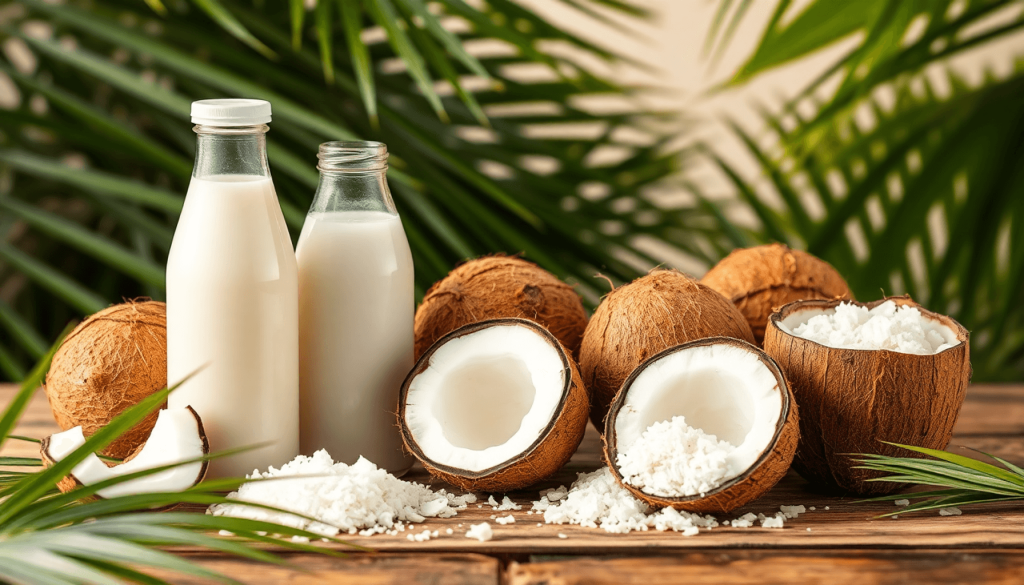
The global coconut derivatives market is experiencing significant growth, with a valuation reaching approximately USD 15.18 billion in 2024. It is projected to grow at a CAGR of 10.20% from 2025 to 2034, and this market is expected to reach USD 36.39 billion by 2034.
Coconut-based products such as:
- Coconut water
- Coconut oil
- Coconut milk
- Shredded coconut
play an important role in various industries, including food, cosmetics, and pharmaceuticals. The diversity of applications demonstrates the significance of these products in meeting consumer needs.
The demand for coconut-based products is increasing along with people’s awareness of the health benefits offered by these products. For example, coconut water is known for its hydrating properties and rich electrolyte content.
The projected market growth until 2034 shows great potential for the development of new and innovative products. With government initiatives supporting increased production and distribution, this industry is ready to face challenges while taking advantage of opportunities in the global market.
Market Size and Historical Growth
The global coconut market valuation is currently estimated to reach USD 15.18 billion by the year 2024. Historical growth trends show a steady increase, with a CAGR of 10.20% between the years 2025 and 2034.
Several factors supporting this growth include:
- Demand for Health-Based Products: Consumers are becoming increasingly aware of the health benefits of coconut-derived products such as coconut water and coconut oil.
- Product Innovation: The introduction of new products that meet the needs for healthy and natural diets contributes significantly.
- Wide Global Market: With product penetration in various industries, including food, cosmetics, and pharmaceuticals, demand continues to rise.
Data shows that major producing countries such as the Philippines, Indonesia, and India make significant contributions to total production, creating a strong foundation for future market expansion.
Market Size Projection until 2034
The coconut market size projections indicate significant growth in the coming decade. Based on recent data, it is estimated that the market value will reach approximately USD 36.39 billion by the year 2034. This growth reflects a compound annual growth rate (CAGR) of 10.20% from 2025 to 2034.
Several key factors supporting this projection include:
- Increased health awareness among consumers
- Continuously increasing demand for plant-based products
- Innovation in product processing and packaging
The coconut derivatives market includes not only coconut oil and coconut water but also various other products such as coconut milk and shredded coconut. Each product segment has the potential for rapid growth, driven by healthy lifestyle trends and increasing demand for organic products. This data aligns with the Share & Trend Report 2034, which shows optimism for the future of the global coconut industry.
Key Factors Driving Market Expansion
The expansion of the coconut market is driven by several important factors that create high demand for coconut derivative products. Some of the main factors include:
- Demand for sustainable products
- Consumers are increasingly seeking environmentally friendly and sustainable products. The distinctive features of coconut-based products, such as coconut oil and coconut water, align with this trend. Many companies focus on sustainable farming practices to meet consumer needs.
- Health-conscious consumers
- Awareness of health issues drives the demand for natural and organic products. Consumers recognize the health benefits of coconut products, including the electrolyte content in coconut water and the anti-inflammatory properties of coconut oil. Information about the better nutrition of these products greatly influences consumer choices.
These factors significantly contribute to the growth of the coconut derivative market, making it an attractive sector for investment and innovation in the future.
Regional Analysis: Key Contributors to the Coconut Derivative Market
In the regional analysis of the coconut market, several regions stand out as key contributors to the growth of this industry:
1. Southeast Asia
This region has become a global center for coconut production, with countries like Indonesia and the Philippines leading in terms of production volume. The high demand for coconut products in both local and international markets drives economic growth in this sector.
2. Europe
Europe is showing an increasing interest in coconut-based products, especially those related to health and sustainability. European consumers are increasingly opting for plant-based alternatives, thereby increasing the demand for coconut oil, coconut water, and coconut sugar.
3. North America
In North America, health trends have driven the consumption of coconut products. People are becoming more aware of the health benefits of natural electrolyte cocktails like coconut water. Large companies have invested in product innovation to meet the growing consumer demand.
With different market dynamics in each region, it is important to understand the contribution of each area to the development of the coconut derivative market.
Leading Countries in Coconut Production and Export
The main coconut-producing countries play an important role in the global market. Here are three leading countries in coconut production and export:
- Indonesia: Indonesia is the largest coconut producer in the world, supplying about 28% of the total global production. With a significant area of agricultural land, this sector is a major driver of the local economy and provides various coconut-derived products.
- Philippines: As the second-largest producer, the Philippines contributes about 22% of the world’s coconut production. This country is known for its high-quality coconuts, especially for coconut oil and coconut water, which are key export products.
- India: India ranks third in terms of production, with a contribution of about 19% of the total global production. With the growth of domestic and international demand, the coconut industry in India is rapidly developing, bringing innovation in products as well as processing techniques.
These three countries not only meet domestic market needs but also hold strategic positions in fulfilling global demand for coconut-based products.
Market Segmentation Based on Coconut Product Types
The market segmentation of coconut products includes various categories that have high demand in the industry. Some of the main types of products in the coconut derivative market include:
- Virgin Coconut Oil: Known for its healthy and multifunctional properties, virgin coconut oil is widely used in cooking, beauty, and health products. Its heat-resistant nature makes it ideal for cooking and frying.
- Coconut Water: Famous as a natural refreshing drink, coconut water is rich in electrolytes and nutrients. The demand for coconut water continues to increase, especially among health-conscious consumers.
- Coconut Sugar: As a natural sweetener alternative, coconut sugar is becoming increasingly popular among consumers looking for healthier options compared to regular sugar. Its higher nutritional content makes it an attractive choice in food products.
With projected growth until 2034, this segmentation shows great potential for industry players to capitalize on the growing trends of health and sustainability.
Current Trends Shaping the Coconut Derivative Market
The current coconut market trends show significant changes in consumer preferences and industry innovations. Key aspects include:
1. Demand for Plant-Based and Organic Products
The rise in health awareness is driving consumers to choose plant-based and organic products. Coconut derivative products such as virgin coconut oil and coconut water are becoming increasingly popular as they are considered healthier compared to animal-based alternatives. The presence of organic certification also adds extra appeal for consumers.
2. Innovations in Packaging and Processing Technology
Environmentally friendly packaging technology is increasingly being applied in the coconut industry, supporting sustainability and reducing environmental impact. More efficient processing methods allow for the production of higher quality products, preserving freshness and nutritional value. For example, the use of cold-pressed technology for coconut oil can optimally retain health benefits.
This trend not only affects the way products are produced but also how they are marketed to consumers. Adaptation to these changes becomes key for companies to remain relevant in an ever-evolving market.
Challenges Faced by the Coconut Industry Today
The coconut industry faces several significant challenges that can impact its growth. Some of them are:
1. Supply Chain Disruptions
The coconut supply chain is vulnerable to disruptions due to natural disasters, political instability, and weather factors. For example, tropical storms can widely damage coconut crops, resulting in decreased production and difficulties in product distribution. These disruptions not only affect product availability but also prices in the market.
2. Price Volatility of Raw Materials
Changes in the price of coconut raw materials pose a major challenge for producers. Fluctuating prices are caused by changing market demand, as well as rising production costs. Farmers and producers often find themselves trapped in this cycle of uncertainty, which directly impacts their profitability. The increase in the price of coconut oil and other derivative products can reduce competitiveness in the global market.
These challenges require the attention of all stakeholders in the industry to create innovative and sustainable solutions to maintain stability and growth in the coconut market in the future.
Future Opportunities for the Development of New Products from Coconut Waste
The coconut industry faces various significant future opportunities, especially in the development of new products from coconut waste. With increasing awareness of sustainability and health, several areas that can be explored include:
- Waste Processing: Waste such as coconut husks and fibers can be transformed into value-added products, such as raw materials for handicrafts or environmentally friendly building materials.
- Product Innovation: The development of new products such as high-fiber coconut-based foods or health drinks containing coconut extract can attract health-conscious consumers.
- Sustainable Marketing: Promoting products with organic certification and sustainable sourcing will meet the growing demand from consumers who choose ethical products.
- Research Collaboration: Cooperation between producers and research institutions can create innovations in processing and marketing technology, improving efficiency and product quality.
The projected growth of the coconut derivative market until 2034 shows great potential in exploring Coconut Derivatives Market Size, Share & Trend Report 2034. Taking advantage of this opportunity is not only beneficial for the industry but also supports environmental sustainability.
Frequently Asked Questions
The coconut derivatives market includes various coconut-based products such as virgin coconut oil, coconut water, coconut sugar, as well as coconut-based cosmetic and pharmaceutical products. This report also explores trends in sustainable coconut farming and the demand for organic products.
The projected size of the coconut derivatives market until 2034 shows significant growth, with in-depth analysis of the current market size and historical growth trends. This report includes estimates of market value and driving factors influencing expansion.
Key factors driving market expansion include the increasing demand for sustainable products and health awareness among consumers. This creates opportunities for manufacturers to develop new innovations in coconut-based products.
The leading countries in coconut production and export include Indonesia, the Philippines, and India. These countries play a significant role in the global supply of coconut-based products.
Pingback:Coconut Derivatives Market Set to Reach $38.3 Billion by 2032 Amid Rising Demand for Natural Products - Indonesia Supplier