
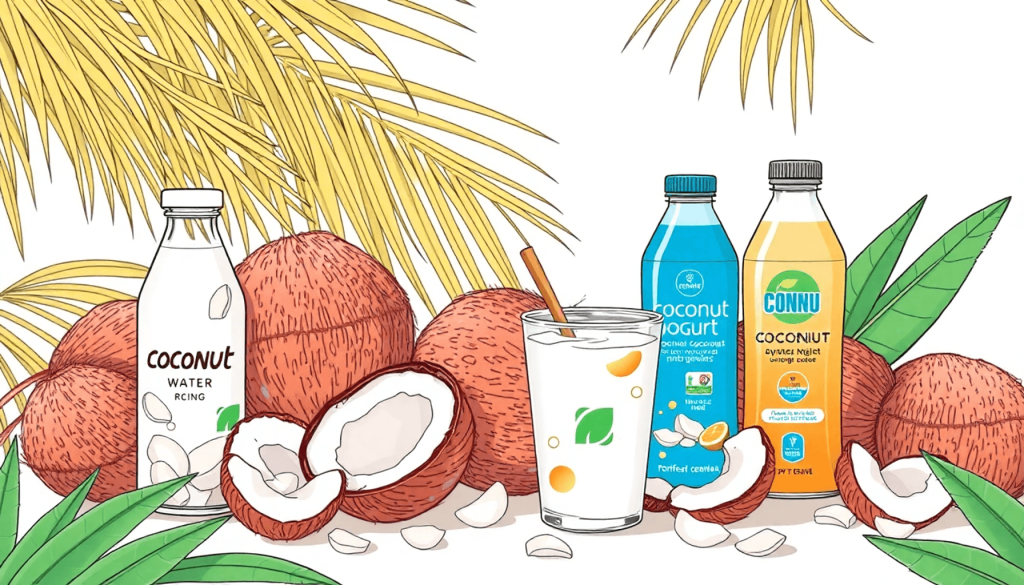
The innovation of coconut-based beverages has experienced significant growth, extending well beyond traditional coconut water. As consumers seek healthier alternatives, the demand for diverse coconut products has surged. This trend highlights the importance of innovation in the beverage industry, emphasizing the need for unique flavors and functional benefits.
Key points include:
- Coconut-based beverages are increasingly popular due to their versatility and health benefits.
- Innovations such as coconut yogurt and fortified drinks offer exciting alternatives.
- Ralali plays a crucial role in supporting the coconut industry through its B2B platform, enhancing supply chains and empowering local communities.
As we explore this topic further, it becomes clear that there is great potential for coconut products, leading to a sustainable and innovative future in beverage development.
Read More: Processing Coconut Waste Into Value-Added Products.
The Evolution of Coconut-Based Beverages
Coconut Yogurt Alternatives
The emergence of coconut yogurt alternatives marks a significant innovation within the coconut beverage industry. Brands like Harmless Harvest are at the forefront, developing products that cater to the growing demand for plant-based options. These dairy-free yogurt alternatives leverage the nutritional benefits of coconuts, offering a rich source of live probiotic cultures that support gut health.
Nutritional Benefits and Consumer Appeal
Coconut yogurt is not only lactose-free but also packed with essential nutrients. Key benefits include:
- Rich in Medium-Chain Triglycerides (MCTs): MCTs provide quick energy and may aid in weight management.
- Low in Calories: Compared to traditional dairy yogurts, coconut yogurt presents a low-calorie alternative, appealing to health-conscious consumers.
- Vegan-Friendly: As more individuals adopt plant-based diets, coconut yogurt positions itself as a suitable option without compromising taste or texture.
Consumer appeal lies in its versatility. It can be used in smoothies, desserts, and savory dishes alike, enhancing its marketability among diverse dietary preferences.
Market Reception and Future Potential
The reception of coconut yogurt alternatives has been overwhelmingly positive. Retailers report an increase in sales as consumers actively seek out healthier, dairy-free options. The trend towards coconut derivative products indicates a robust potential for future growth:
- Diverse Offerings: With flavors ranging from classic vanilla to exotic mango-lime, brands are experimenting with various profiles to attract different demographics.
- Increased Accessibility: Availability in supermarkets and specialty health stores enhances consumer access to these innovative products.
- Sustainability Focus: Brands emphasizing eco-friendly production methods resonate with environmentally conscious consumers.
As the demand for dairy-free alternatives continues to rise, the coconut yogurt segment is well-positioned for further expansion. Innovations in processing coconuts will likely lead to even more refined products that cater to evolving consumer tastes and preferences. The future looks bright for those venturing into this space, supported by Ralali’s commitment to empowering businesses within the coconut sector.
Flavor Innovations in Coconut Beverages
Coconut products have grown significantly, especially when it comes to new and exciting flavors. The history of coconut water shows how it became a popular health drink, sparking more interest in other coconut products like coconut milk and dairy-free yogurt alternatives.
Key flavor pairings that enhance coconut beverages include:
- Hibiscus: Adds a floral note and vibrant color.
- Avocado: Provides creaminess and a unique texture.
Coconut water is an excellent low-calorie base for flavored drinks, making it appealing to health-conscious consumers. The trend towards smoothies and functional drinks incorporates unique flavors, creating exciting new beverage categories. These innovative combinations not only elevate taste but also enhance the nutritional profile by integrating live probiotic cultures and other plant-based options.
As you explore the diverse world of coconut-based beverages, think about the endless possibilities that come from experimenting with creative flavors.
Rise of Functional Beverages
The beverage industry is changing with the rise of functional drinks, especially those featuring coconut. This change includes:
- Fortified Coconut Water: Enhanced with vitamins and minerals to cater to health-conscious consumers.
- Innovative Blends: Combining tropical fruits and superfoods, these products appeal to those seeking hydration alongside nutrition.
The Evolution of Coconut-Based Products
Coconut water has long been recognized as a health drink, known for its natural electrolytes and hydrating properties. As consumer preferences shift towards coconut products with added benefits, new options such as coconut milk and dairy-free yogurt alternatives have emerged. These products contain live probiotic cultures, aligning with the increasing interest in plant-based diets.
The Connection Between Wellness Trends and Functional Beverages
The focus on functional beverages reflects broader wellness trends, which prioritize not only taste but also health benefits. The inclusion of coconut derivatives in various beverage categories showcases the versatility of this ingredient, effectively promoting both hydration and nutrition.
Customization and Sustainability in Coconut Beverage Production
The coconut beverage industry is embracing customization options that cater to diverse consumer preferences. Suppliers are increasingly focusing on custom formulations, allowing manufacturers to create unique products that stand out in a competitive market. Tailored blends not only meet specific dietary needs but also enhance flavor profiles, ensuring a wider appeal.
Sustainability within the supply chain has become crucial for building consumer trust. Brands are adopting eco-friendly practices that resonate with health-conscious and environmentally-aware consumers. Key initiatives include:
- Fair trade initiatives: Ensuring fair wages for coconut farmers while promoting community well-being.
- Sustainable sourcing: Partnering with local growers to reduce carbon footprints and support regional economies.
- Recycling programs: Implementing systems for reusing packaging materials to minimize waste.
Examples of companies taking these steps include brands that utilize biodegradable packaging and those investing in renewable energy sources. Such practices not only contribute to environmental preservation but also align with the growing demand for responsible consumption. The integration of customization and sustainability in coconut beverage production represents a significant shift towards a more ethical and innovative industry landscape.
Market Trends Influencing Coconut-Based Beverages
The rise of plant-based diets plays a crucial role in shaping the market for coconut-based beverages. Consumers are increasingly prioritizing health-conscious choices, leading to a surge in demand for alternatives that provide nutritional benefits without compromising on flavor.
Key trends include:
- Health Movements: Coconut beverages align with broader wellness trends, particularly among those seeking functional nutrition. The incorporation of coconut water and milk in smoothies, protein shakes, and health tonics contributes to this movement.
- Culinary Versatility: Coconut-based products showcase significant versatility in culinary applications. They can be found in diverse recipes ranging from tropical cocktails to dairy-free desserts. This adaptability attracts both consumers and chefs looking to innovate within plant-based cuisine.
- Innovative Applications: Brands are experimenting with unique combinations that elevate coconut beverages beyond traditional offerings. Ingredients such as superfoods, spices, and adaptogens are being integrated, enhancing flavor profiles while meeting consumer desires for healthful options.
Coconut-based beverages are not just a trend; they represent a shift toward sustainable and health-oriented consumption patterns. The potential for continued innovation is vast, making them a staple in the evolving beverage landscape.
Ralali’s Contributions to Coconut Industry Innovation
Ralali.com plays a crucial role in improving the coconut industry through its comprehensive B2B platform. This platform helps connect producers and buyers, making it easier for them to do business and increasing market access for coconut products.
Key contributions include:
- Empowering MSMEs: Ralali works with local communities to support micro, small, and medium enterprises (MSMEs) in the coconut industry. Through specific training programs and funding opportunities, these businesses acquire the skills and resources they need to succeed.
- Innovative Initiatives: Projects like Ralali Food demonstrate the company’s commitment to supporting product development in the coconut sector. By encouraging innovation in ready-to-eat (RTE) and ready-to-cook (RTC) coconut-based products, Ralali improves the options available to consumers.
- Digital Marketing Strategies: Ralali uses digital marketing tools to effectively promote coconut products. This approach not only increases visibility but also connects local producers with larger audiences, fostering growth and sustainability within the industry.
Through these efforts, Ralali shows its commitment to creating a sustainable and inclusive business ecosystem for coconut-derived products.
Effective Packaging Solutions for Coconut Products
The packaging design is crucial in attracting consumers to new coconut products. A well-designed package not only enhances the product’s visual appeal but also communicates brand values, such as sustainability and innovation. Key elements of effective packaging include:
- Attractive Visuals: Eye-catching graphics and informative labels help convey the unique qualities of coconut beverages.
- Functional Design: Packaging must ensure product freshness while being easy to use.
Sustainable packaging solutions are gaining traction in the industry. Options include:
- Biodegradable Materials: These options decompose naturally, reducing environmental impact.
- Recyclable Containers: Encouraging consumers to recycle supports circular economy practices.
Innovations in packaging can significantly influence consumer choices and foster loyalty by aligning with their values. The trend towards eco-friendly solutions is essential for brands aiming to resonate with environmentally conscious customers.
Future Outlook for Coconut-Based Beverages
The global demand for coconut products continues to rise, driven by trends favoring health-conscious choices. Predictions indicate significant growth in the coconut beverage market, particularly as consumers seek alternatives that offer nutritional benefits and unique flavors.
Key Factors Driving Growth
Several key factors are expected to contribute to the growth of the coconut beverage market:
- Market Expansion: Increased interest in plant-based diets positions coconut beverages as a staple in modern diets.
- Innovation Focus: Companies will thrive by introducing new product lines, such as fortified options with added vitamins and minerals, appealing to wellness-focused consumers.
- Sustainability Strategies: Emphasizing sustainable practices within production can enhance brand loyalty and consumer trust. Eco-friendly sourcing, waste reduction, and transparent supply chains will become essential.
The innovation of coconut-based beverages beyond regular coconut water depends on the ability to adapt to consumer preferences while ensuring sustainable income streams for producers.
Conclusion
The innovation of coconut-based beverages beyond regular coconut water has transformed the beverage landscape. Key developments include:
- Coconut yogurt alternatives that cater to health-conscious consumers.
- Flavor innovations, such as unique pairings with hibiscus and avocado, enhancing consumer appeal.
- The rise of functional beverages fortified with vitamins and minerals, aligning with wellness trends.
Sustainability remains crucial. Companies adopting eco-friendly practices not only build consumer trust but also contribute positively to the environment.
Continued innovation is essential for maintaining growth in this vibrant market. As brands explore new formulations and flavor combinations, they will likely capture even more consumer interest. Supporting local communities and fostering sustainable practices will ensure a thriving ecosystem in the coconut industry. Embracing these changes will pave the way for a robust future in coconut-based beverages.
FAQs (Frequently Asked Questions)
Coconut-based beverages encompass a variety of drinks made from coconuts, including not only traditional coconut water but also innovative products like coconut milk, dairy-free yogurt alternatives, and flavored drinks. Unlike regular coconut water, which is primarily the clear liquid found inside young coconuts, these beverages often include added flavors, nutrients, and other ingredients to enhance taste and health benefits.
Innovation is crucial in the coconut beverage industry to meet evolving consumer preferences for health-conscious and sustainable options. By developing new products like fortified coconut water or plant-based yogurts, companies can cater to the growing demand for functional drinks that offer nutritional benefits while also appealing to those following plant-based diets.
Brands such as Harmless Harvest are leading the way in creating coconut yogurt alternatives that are dairy-free and rich in live probiotic cultures. These products not only provide a delicious alternative to traditional yogurt but also align with health trends emphasizing gut health and plant-based diets.
Flavor innovations play a significant role in expanding the appeal of coconut beverages. By experimenting with diverse flavor pairings—such as hibiscus, avocado, or tropical fruit blends—brands can create unique drink experiences that attract health-conscious consumers looking for refreshing and low-calorie options.
Pingback:Processing Coconut Waste Into Value-Added Products. - Indonesia Supplier