
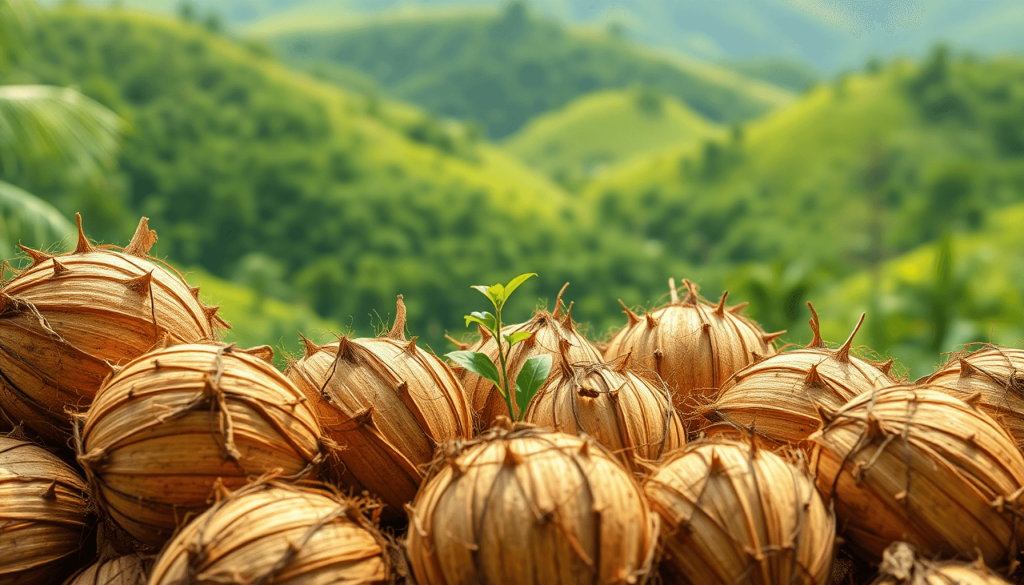
Coconuts are an essential part of Indonesia’s agriculture, known for their versatility and many uses. Turning coconut waste into valuable products not only creates economic opportunities but also tackles environmental issues related to waste disposal. With the growing emphasis on sustainability, the potential to convert limbah kelapa (coconut waste) into useful materials is gaining popularity.
Coconut Husks
Coconut husks, or the fibrous outer layer of coconuts, have unique qualities that make them suitable for various applications:
- Composition: Coconut husks are mainly made up of lignin, cellulose, and hemicellulose. This composition gives them durability and strength, making them a valuable resource.
- Physical Characteristics: They are lightweight yet strong, water-resistant, and have insulating properties. These traits enhance their usability in different industries.
Read More: Innovation Of Coconut-Based Beverages Beyond Regular Coconut Water.
Applications in Geotextiles and Erosion Control
One significant use of coconut husks is as geotextiles. These natural fibers help prevent soil erosion by stabilizing the ground and promoting plant growth. The benefits include:
- Erosion Prevention: Coconut husks can effectively hold soil in place during heavy rain or flooding.
- Natural Decomposition: Unlike synthetic materials, coconut fiber is biodegradable, contributing to ecological balance.
This sustainable method of controlling erosion aligns with modern environmental goals while providing an affordable solution for managing land.
Use in Crafting Ropes and Mats
Coconut husks have been used for a long time to make durable ropes and mats. The fibrous nature of the husk allows for:
- Rope Production: Strong ropes made from coir (coconut fiber) are used in agriculture, shipping, and construction industries due to their tensile strength.
- Mats and Rugs: Coir mats offer excellent absorbency and durability, making them ideal for both indoor and outdoor use.
These products not only serve practical purposes but also help reduce waste by repurposing what would otherwise be thrown away.
The processing of coconut waste into valuable products like geotextiles, ropes, and mats is a crucial step towards promoting sustainability within the coconut industry. By focusing on innovative uses for kelapa by-products, businesses can stimulate economic growth while encouraging environmental responsibility.
Coconut Shells
Coconut shells are a valuable resource in the processing of coconut waste into value-added products. Their properties make them suitable for various applications:
- Durability: Coconut shells are tough and resistant to decay, making them ideal for long-lasting products.
- Lightweight: This characteristic allows easy handling and transportation, enhancing their usability in different sectors.
One of the most significant uses of coconut shells is in the production of activated carbon. The process involves heating coconut shells at high temperatures, which activates their porous structure. Activated carbon serves essential functions in:
- Filtration systems: Used in water purification and air filtration, it effectively removes contaminants and improves overall quality.
Crafting decorative items from coconut shells is another avenue worth exploring. Artisans create unique pieces such as bowls, jewelry, and home décor, showcasing traditional craftsmanship while promoting sustainability.
The significance of recycling coconut waste cannot be understated. With Indonesia generating substantial amounts of limbah kelapa (coconut waste), converting this waste into valuable products not only reduces environmental impact but also fosters economic growth within the coconut industry.
Coconut Coir
Coconut coir, derived from the fibrous husk of coconuts, presents numerous benefits as a sustainable material. It is a prime example of how processing coconut waste can lead to value-added products.
1. Sustainability
Coir is 100% natural and biodegradable. Its renewable nature makes it an eco-friendly alternative to synthetic materials.
2. Applications in Agriculture
- Coir serves as an effective soil conditioner, improving water retention and aeration in the soil. This enhances plant growth and supports sustainable agricultural practices.
- Biodegradable pots made from coir are gaining popularity among gardeners and nurseries. These pots break down naturally and enrich the soil without contributing to plastic waste.
3. Animal Bedding
Coir’s absorbent properties make it an excellent choice for animal bedding. It helps maintain hygiene by controlling moisture and odor, promoting healthier living conditions for livestock.
The significance of recycling coconut waste into coir lies not only in its environmental impact but also in its potential for converting what would otherwise be considered waste into valuable products. By incorporating coir into various applications, industries can contribute to the circular economy while supporting sustainable practices within agriculture and livestock management.
Activated Carbon
The process of converting coconut shells into activated carbon is a significant step in managing coconut waste. This transformation involves:
- Carbonization: Heating the coconut shells in an oxygen-free environment to remove volatile compounds.
- Activation: Treating the carbonized material with steam or chemicals to create a porous structure, enhancing its surface area.
Activated carbon derived from coconut shells has numerous applications, particularly in environmental management. Its importance in water filtration systems cannot be overstated. The porous nature of activated carbon allows it to effectively adsorb impurities and contaminants, ensuring cleaner water for consumption and industrial use.
In addition to water filtration, activated carbon plays a crucial role in air purification systems. It captures harmful gases and odors, contributing to improved indoor air quality.
The recycling of coconut waste into value-added products such as activated carbon demonstrates the potential for utilizing limbah kelapa sustainably. Engaging in this process not only reduces environmental impact but also creates economic opportunities within the coconut industry. This approach aligns with broader goals of sustainability and circular economy practices, emphasizing the importance of addressing waste generation in Indonesia’s coconut sector.
Biodegradable Packaging
The processing of coconut waste into value-added products has gained traction, especially in the realm of biodegradable packaging. Indonesia, a major coconut-producing nation, generates significant amounts of coconut waste. Innovations in utilizing this waste are crucial for addressing environmental impacts related to traditional plastic packaging.
1. Coconut By-products
The fibrous husks and shells can be transformed into biodegradable materials. These materials serve as alternatives to conventional plastics, offering sustainable packaging solutions.
2. Environmental Benefits
Biodegradable packaging derived from coconut waste reduces reliance on petroleum-based plastics. Unlike traditional plastics, these coconut-based materials decompose naturally, minimizing landfill contributions and lowering pollution levels.
The significance of recycling coconut waste cannot be understated. By converting these by-products into valuable products, industries can contribute to a circular economy. This approach not only addresses waste disposal challenges but also promotes sustainability within the coconut industry.
As the demand for eco-friendly packaging rises globally, the potential for coconut-based biodegradable options is vast. Utilizing limbah kelapa effectively transforms what was once considered waste into innovative solutions that align with modern environmental needs.
Animal Feed
Coconut waste presents an excellent opportunity for producing valuable animal feed, particularly through the conversion of coconut meal. This nutritious feed supplement offers multiple benefits for livestock:
- High Nutritional Value: Coconut meal is rich in protein and fiber, which can enhance the diet of various livestock such as cattle, goats, and poultry.
- Enhanced Animal Health: The digestibility of coconut meal contributes to improved gut health in animals. It supports better nutrient absorption, leading to healthier livestock.
- Increased Productivity: Incorporating coconut meal into feed rations can boost growth rates and milk production in dairy cows. Livestock consuming coconut-based diets often demonstrate enhanced performance metrics.
Processing coconut waste into animal feed aligns with the broader goal of sustainability, addressing environmental impact concerns while creating value-added products. The significance of recycling coconut waste is evident; it not only reduces waste generation but also promotes a circular economy where agricultural by-products are transformed into beneficial resources.
The overview of coconut waste generation in Indonesia highlights the potential for converting this waste into valuable products. By leveraging the nutritional advantages of coconut meal, producers can contribute positively to both animal industries and environmental sustainability.
Biofuels
Processing coconut waste into biofuels presents a promising avenue for sustainable energy generation. The methods to convert coconut waste include:
- Pyrolysis: This thermal decomposition process in the absence of oxygen transforms coconut husks and shells into bio-oil and bio-gas.
- Fermentation: Utilizing enzymes to break down organic material, this method can produce ethanol from the sugars present in coconut by-products.
- Transesterification: This chemical reaction processes coconut oil derived from the fruit into biodiesel, offering a renewable alternative to fossil fuels.
The significance of recycling coconut waste lies in its potential to reduce environmental impact while promoting sustainability. By converting waste into valuable products, you participate in a circular economy that minimizes landfill use and promotes resource efficiency.
Indonesia generates substantial amounts of coconut waste, with millions of tons produced annually. Leveraging this waste for biofuel production can decrease reliance on non-renewable resources while supporting local economies. As technology advances, the ability to utilize coconut waste for energy will not only enhance energy security but also contribute to the fight against climate change through reduced greenhouse gas emissions.
Challenges in Processing Coconut Waste
Processing coconut waste presents notable challenges that hinder its full potential. Key issues include:
1. Limited Infrastructure
Many regions lack the necessary facilities to handle and process coconut waste effectively. This deficiency restricts the ability to convert raw materials into value-added products. Without proper machinery and technology, the transformation process remains inefficient, leading to increased waste disposal.
2. High Energy Costs
The processing operations require significant energy input, which can be a burden for businesses. Rising energy costs amplify financial strain on small and medium enterprises (SMEs) engaged in coconut waste processing. These economic implications deter investment in advanced technologies that could improve efficiency and sustainability.
The convergence of limited infrastructure and high energy costs underscores the need for strategic investments in processing capabilities. Addressing these challenges will pave the way for greater utilization of coconut waste, fostering innovation and economic growth within the sector.
Ralali Marketplace
Ralali’s marketplace plays a crucial role in connecting suppliers with manufacturers, specifically within the coconut industry. This platform addresses the need for effective market access for coconut waste suppliers, enabling them to reach a broader audience and capitalize on their products.
Key features of Ralali’s marketplace include:
- User-Friendly Interface: Simplifies the process for suppliers to list their products and for manufacturers to discover valuable resources.
- Diverse Product Range: Facilitates the exchange of various coconut waste by-products, driving innovation in processing coconut waste into value-added products
- Networking Opportunities: Encourages collaboration among stakeholders, fostering a community that shares knowledge and resources.
By leveraging digital technology, Ralali creates a transparent environment where both suppliers and manufacturers can thrive. This connectivity not only enhances the efficiency of the supply chain but also promotes sustainable practices within the coconut industry. With ongoing support for businesses involved in coconut waste processing, Ralali strengthens Indonesia’s position as a leader in value-added coconut products.
This innovative platform exemplifies how strategic partnerships can revolutionize traditional industries while embracing modern solutions.
Ralali Plus
Ralali Plus plays a crucial role in helping businesses in the coconut industry. This initiative focuses on providing financial solutions for businesses that are investing in waste processing technology. Through strategic support, Ralali aims to stimulate innovation and improve efficiency in utilizing coconut waste.
Key features of Ralali Plus include:
- Financial Assistance: Offers tailored funding options for startups and established businesses looking to adopt new technologies for processing coconut waste.
- Training Programs: Provides educational resources to equip entrepreneurs with the knowledge needed to effectively implement waste processing solutions.
- Partnership Opportunities: Encourages collaboration between stakeholders, fostering a network of support that enhances business growth.
By facilitating access to necessary funding and resources, Ralali Plus contributes to the sustainable development of the coconut sector. It addresses common barriers faced by businesses, allowing them to innovate and expand their capabilities in waste management. This investment not only enhances operational efficiency but also supports broader environmental goals by promoting circular economy practices within the industry.
Ralali Pavilion
The Ralali Pavilion plays a crucial role in promoting innovative products derived from coconut waste, showcasing them at global markets. This initiative aligns with Ralali’s mission to support the coconut industry while encouraging sustainability and innovation.
Key aspects of the Ralali Pavilion include:
- Showcasing Products: The pavilion serves as a platform for businesses to display their unique coconut-derived products, attracting potential buyers and partners.
- Fostering Collaboration: By bringing together various stakeholders, the pavilion encourages collaboration among producers, researchers, and entrepreneurs, driving innovation in product development.
- Global Exposure: Participation in international trade shows helps elevate the visibility of Indonesian coconut products, expanding market access beyond local borders.
- Highlighting Sustainability: The pavilion emphasizes eco-friendly practices in product creation, reinforcing the importance of circular economy principles within the coconut industry.
Through these efforts, Ralali Pavilion not only enhances the marketability of coconut by-products but also reinforces Indonesia’s position as a leader in sustainable coconut innovations. By focusing on quality and sustainability, it paves the way for future growth in this vital sector.
Economic and Environmental Benefits
The processing of coconut waste into value-added products creates significant economic and environmental advantages.
Economic Growth
- Job Creation: The coconut industry sector plays a vital role in rural employment. Opportunities arise in various areas, including harvesting, processing, and marketing of coconut-based products. The expansion of businesses focused on coconut waste utilization promotes skill development and entrepreneurship.
Environmental Sustainability
- Reduced Waste Disposal: Utilizing coconut by-products minimizes waste accumulation. Processing coconut husks, shells, and coir reduces the environmental burden associated with disposal.
- Circular Economy Practices: Emphasizing sustainable practices fosters a circular economy within the coconut sector. By transforming waste into valuable resources, the industry contributes to sustainable resource management. This approach not only enhances ecological balance but also encourages innovative solutions for global challenges.
By focusing on job creation and adopting sustainable practices, the coconut industry can thrive while addressing pressing environmental concerns. The commitment to processing coconut waste into value-added products exemplifies a path towards economic resilience and ecological responsibility.
FAQs (Frequently Asked Questions)
The main types of coconut waste include coconut husks, shells, and coir. These materials can be processed into value-added products such as geotextiles for erosion control, ropes, insulation materials, activated carbon for filtration systems, biodegradable packaging, animal feed, and biofuels.
Coconut husks can be used in applications like geotextiles and erosion control, which help protect soil and reduce environmental degradation. By recycling coconut waste into valuable products, we can minimize waste disposal impacts and promote sustainable practices.
Activated carbon is a porous material used for filtration in water purification and air quality improvement. It is produced by processing coconut shells through carbonization and activation processes that enhance its surface area and adsorption capabilities.
Coconut coir serves as a sustainable material in agriculture by acting as a soil conditioner, biodegradable potting medium, and animal bedding. Its properties improve soil health and provide better hygiene for livestock.
Pingback:Integration Of Coconut Farmers Into The Global Supply Chain. - Indonesia Supplier
Pingback:Utilization of Coconut Fiber (Coco Fiber) for Handicraft and Industrial Product - Indonesia Supplier
Pingback:Innovation Of Coconut-Based Beverages Beyond Regular Coconut Water. - Indonesia Supplier