
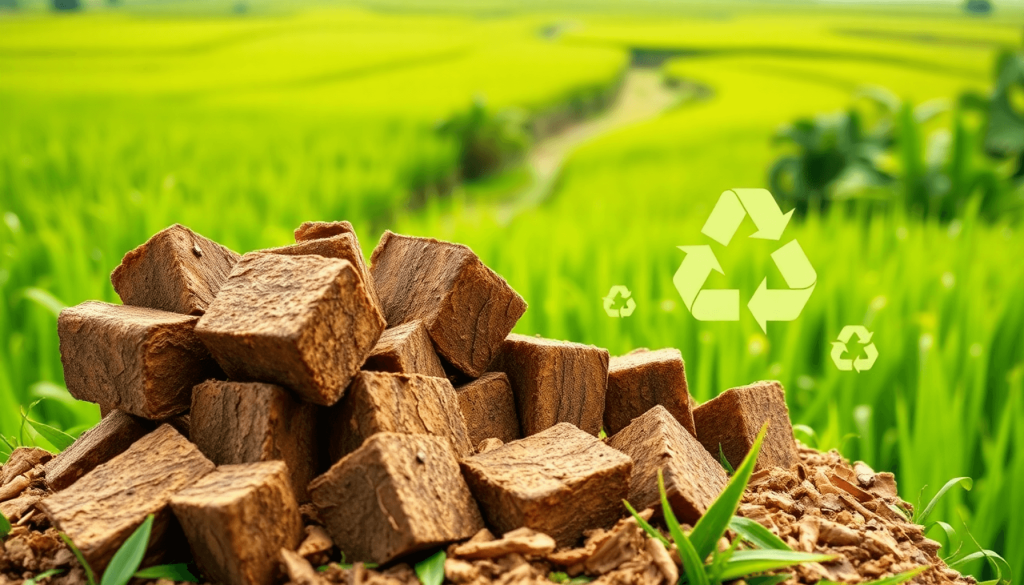
The global demand for renewable energy sources has surged, driven by the need to address climate change and reduce dependency on fossil fuels. Biomass energy emerges as a viable sustainable option, utilizing organic materials for energy production. In North Maluku, Indonesia, an abundance of agricultural waste from nutmeg and coconut processing presents an opportunity for biomass briquette production.
This article explores the potential of biomass briquettes in North Maluku, focusing on:
- Nutmeg and Coconut Waste: These materials can be transformed into eco-friendly briquettes, offering a sustainable solution for energy needs.
- Unutilized Agricultural Waste: A significant portion of this waste remains untapped, highlighting the urgent need for alternative fuel sources.
By harnessing these resources, we can meet the growing demand for renewable energy while also promoting a more sustainable future in Indonesia.
Research Objectives and Significance
The primary aim of this study is to develop an optimal briquette formulation from nutmeg and coconut shell waste. This initiative seeks to address several crucial aspects:
- Environmental Concerns: Effective organic waste management is essential in mitigating pollution associated with agricultural residues. Utilizing biomass for energy production not only reduces waste but also lowers greenhouse gas emissions.
- Economic Benefits: There exists significant potential for local communities in North Maluku to gain economically by converting agricultural waste into energy. This shift can lead to job creation, increased income, and enhanced livelihoods through sustainable practices.
The development of nutmeg and coconut shell briquettes presents a dual opportunity: it champions sustainability while fostering economic growth. By prioritizing the use of natural fiber composites, this approach aligns with global trends in renewable energy and underscores the importance of local resource utilization in achieving energy independence.
Materials and Methods
1. Raw Materials
Nutmeg shells and coconut shells serve as excellent biomass feedstock for briquette production due to their unique characteristics. Understanding these properties is crucial for optimizing the briquette formulation.
Nutmeg Shells:
- Composition: Nutmeg shells consist of fibrous material that provides a high cellulose content, making them suitable for energy production. Their density contributes to the durability of the briquettes.
- Availability: North Maluku has a significant abundance of nutmeg, leading to a surplus of waste from nutmeg processing. This abundance presents an opportunity for sustainable utilization.
- Energy Content: The calorific value of nutmeg shells ranges between 15-20 MJ/kg, making them competitive with other biomass sources.
Coconut Shells:
- Structural Integrity: Coconut shells are hard and dense, offering a robust structure for briquettes. This characteristic enhances the mechanical strength and burning efficiency of the final product.
- High Carbon Content: With a carbon content ranging from 35-40%, coconut shells are well-suited for carbonization processes, leading to higher energy outputs during combustion.
- Sustainability: Utilizing coconut shells aligns with sustainable practices as they are often discarded after coconut processing, thus reducing environmental waste.
The combination of these raw materials not only promotes effective waste management but also supports local agricultural practices by transforming underutilized resources into valuable energy products.
2. Briquette Preparation Process
The briquette preparation process is essential for converting raw materials into a viable energy source. This study utilizes:
- Nutmeg shells
- Coconut shells
- Tapioca starch as a binder
Carbonization Process
The first step involves carbonization, where biomass feedstock undergoes pyrolysis in a low-oxygen environment to transform into charcoal. This process includes:
- Heating the biomass at controlled temperatures, typically between 300°C and 600°C.
- Decomposing volatile compounds, which results in the formation of charcoal.
- Collecting charred material, ensuring minimal smoke and emissions.
After carbonization, the charcoal is mixed according to specific ratios to enhance properties like calorific value and combustion efficiency, paving the way for high-quality briquettes. The careful selection and mixing of different charcoal types contribute significantly to the final product’s performance.
3. Evaluation Parameters
To assess the quality and performance of the produced briquettes, various evaluation parameters are essential. The materials used in this study include:
- Nutmeg shells
- Coconut shells
- Tapioca starch (serving as a binder)
The briquette preparation process involves converting these raw materials into charcoal and subsequently forming them into briquettes through specific mixing ratios.
Key evaluation parameters include:
- Water Content: This affects the combustion efficiency of the briquettes. Lower moisture levels correlate with higher energy output.
- Volatile Matter: High volatile matter can indicate potential issues during combustion, leading to incomplete burning and reduced energy efficiency.
- Ash Content: This parameter is crucial for determining whether the briquettes meet Indonesian National Standards (SNI) requirements. Excessive ash can lead to operational challenges in stoves and burners.
- Calorific Value: A critical metric for measuring the energy content of the briquettes. Higher calorific values signify better performance as fuel sources.
Moisture measurement techniques ensure accurate readings of water content, impacting the overall efficiency and usability of nutmeg and coconut shell briquettes in North Maluku. These evaluations are instrumental in optimizing production processes and enhancing the viability of sustainable energy solutions derived from agricultural waste.
Results and Discussion
1. Water Content Analysis
The water content of briquettes is a crucial factor that affects how well they burn and how effective they are as a sustainable energy source. In this section, we will compare the water content results of three different briquette formulations made from nutmeg and coconut shells.
Comparison of Water Content Results
- Formulation A: This formulation had a water content of 8%, which is relatively low. The reduced moisture level enhances ignition time and combustion efficiency, making it an optimal choice for energy production.
- Formulation B: In contrast, this formulation recorded a higher water content of 12%. The increased moisture may hinder the briquette’s ability to burn efficiently, potentially leading to incomplete combustion. This can result in lower calorific values, impacting its overall effectiveness as a fuel source.
- Formulation C: The final formulation showed a water content similar to Formulation A at 9%. This level strikes a balance between maintaining structural integrity and ensuring efficient burning characteristics.
Significance of Water Content Differences
We noticed significant differences between the formulations in terms of their water content. Lower water content is associated with better performance metrics when it comes to ignition and heat output.
These findings suggest that optimizing the briquette formulation is crucial for improving the quality of nutmeg and coconut shell briquettes. Higher moisture levels can lead to inefficiencies that may discourage local communities from using these sustainable alternatives to traditional fuels.
Implications for Waste Management Practices
It is essential to address the issue of water content in order to ensure that these briquettes can meet energy demands while also having a positive impact on waste management practices in North Maluku, Indonesia.
By understanding these variations in water content, we can direct future research efforts towards refining production techniques that will result in better outcomes for generating energy from agricultural waste.
2. Assessing Volatile Matter
The amount of volatile matter in briquettes is important for how well they burn. During the production process, we faced several challenges with the levels of volatile matter in the briquettes we made:
- Quality Control Issues: It was hard to keep the quality consistent across different formulations. Changes in the composition of raw materials led to variations in volatile matter.
- Production Techniques: The method used to carbonize the briquettes had an impact on their quality and affected how volatile compounds were released during burning.
- Formulation Comparison: Different combinations of nutmeg and coconut shell waste affected the final amount of volatile matter, requiring careful evaluation to meet quality standards.
To improve briquette performance in sustainable energy applications, we need to continuously assess and optimize these challenges.
3. Ash Content Assessment
The ash content of briquettes is important for determining their quality and suitability as a fuel source. In the context of Sustainable Energy from Waste: Optimizing Nutmeg and Coconut Shell Briquettes in North Maluku, Indonesia, assessing ash content is essential for ensuring compliance with Indonesian National Standards (SNI).
Evaluation Criteria
- Ash content should remain within acceptable limits to ensure efficient combustion.
- High ash levels can lead to increased emissions and lower energy output.
Findings indicate that certain formulations achieved lower ash content, aligning with SNI requirements. Challenges persisted, particularly with formulations that did not meet these standards, highlighting the need for optimization in mix ratios and preparation techniques. Continuous monitoring of ash content, alongside water content analysis and volatile matter evaluation, will enhance the overall performance of the briquettes produced from nutmeg and coconut shell waste.
Conclusion
The study on Sustainable Energy from Waste: Optimizing Nutmeg and Coconut Shell Briquettes in North Maluku, Indonesia offers critical insights into the potential of agricultural waste as a renewable energy source. Key findings include:
- Briquette Production Viability: Nutmeg and coconut shells demonstrate suitable characteristics for effective biomass feedstock.
- Environmental Impact: Utilizing agricultural waste addresses pressing concerns related to waste management and pollution, promoting sustainability.
- Community Empowerment: Local communities benefit economically by transforming waste into energy, fostering a sustainable biomass solution.
These initiatives not only contribute to environmental sustainability but also empower communities by leveraging local resources. Encouraging the adoption of such practices can enhance the economic landscape while paving the way for a more sustainable future in North Maluku.
FAQs (Frequently Asked Questions)
Nutmeg and coconut shells are abundant agricultural wastes in North Maluku, which can be transformed into sustainable biomass briquettes. This not only addresses the issue of unutilized waste but also provides an eco-friendly alternative fuel source that supports renewable energy needs.
The briquette preparation involves several steps: first, biomass feedstock (nutmeg and coconut shells) is carbonized to produce charcoal. Then, these charcoals are mixed with tapioca starch as a binder to form briquettes. The mixing ratios and carbonization process are crucial for optimizing the quality of the final product.
Key evaluation parameters include water content, volatile matter, ash content, and calorific value. These factors determine the performance and efficiency of the produced briquettes, ensuring they meet quality standards for sustainable energy use.
This study highlights the need for sustainable practices in managing agricultural waste, particularly focusing on reducing pollution and promoting eco-friendly solutions through biomass energy production. By utilizing nutmeg and coconut shell waste, it contributes to environmental sustainability.
Pingback:Harnessing Coconut Husk Power: Revolutionizing Textile Wastewater Treatment with Sustainable Adsorbents - Indonesia Supplier
Pingback:Optimizing Coconut and Mahogany Cultivation for Sustainable Soil and Water Conservation: Insights for Ralali's Agricultural Marketplace - Indonesia Supplier