
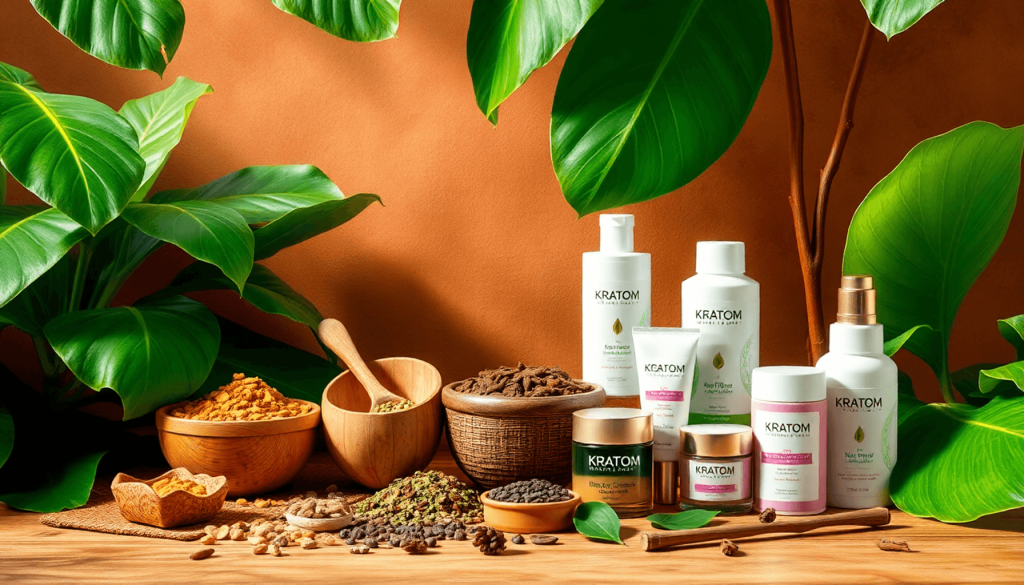
Indonesian Kratom, a traditional plant deeply ingrained in Indonesian heritage, has made a remarkable transition from a local remedy to a global health and wellness trend. This article delves into the multifaceted significance of Kratom, encompassing its cultural, medicinal, and economic importance.
The Traditional Roots of Indonesian Kratom
Indonesian Kratom, known locally as biak-biak or ketum, has been a traditional remedy deeply embedded in the cultural heritage of indigenous communities for centuries. It mainly comes from the dense tropical forests of Sumatra and Kalimantan, where its use began long ago when people relied on natural remedies for healthcare.
Historical Background
Indigenous tribes discovered Kratom’s potential through trial and observation, integrating it into daily life.
The leaves were highly valued for their various uses and were part of an oral tradition passed down through generations.
Early documentation by colonial explorers references Kratom as a staple in local medicine and labor practices.
Traditional Applications
Local communities utilized Kratom in several specific ways:
- Pain relief: Chewing fresh leaves or brewing them into tea helped alleviate muscle and joint pain resulting from physically demanding work.
- Energy boost: Farmers and laborers consumed Kratom to increase stamina and reduce fatigue during long hours of manual labor under tropical conditions.
- Relaxation: In smaller doses or at the end of the day, Kratom supported relaxation and stress reduction—facilitating restful sleep and mental calm.
These applications demonstrate how Kratom served as an accessible, natural remedy addressing both physical and psychological needs.
Cultural Significance
Kratom’s role extended beyond medicinal uses. It became woven into social customs and ritual practices:
- Used during communal gatherings to foster bonding and shared well-being.
- Incorporated in traditional ceremonies symbolizing health, endurance, or spiritual connection.
- Revered as a gift from nature, reinforcing respect for the environment and sustainable harvesting practices.
This cultural reverence highlights Kratom not just as a plant but as a vital element of Indonesian identity—where healing, work, and community intersect naturally.
The Science Behind Kratom’s Benefits
Indonesian kratom owes much of its therapeutic potential to two primary alkaloids: mitragynine and 7-hydroxymitragynine. These natural compounds are responsible for the plant’s diverse pharmacological effects on the human body.
Mitragynine
The most abundant alkaloid in kratom leaves, mitragynine acts mainly as a partial agonist at opioid receptors, particularly the mu-opioid receptor. This interaction influences pain perception, contributing significantly to pain relief. Mitragynine also modulates other receptor systems, including adrenergic and serotonergic pathways, which helps explain its stimulant and mood-enhancing properties.
7-Hydroxymitragynine
Present in much smaller quantities but far more potent, 7-hydroxymitragynine exhibits a stronger binding affinity to opioid receptors. It produces analgesic effects comparable to traditional opioids but with a different pharmacodynamic profile that may reduce some typical opioid side effects.
Interaction with Opioid Receptors
Both alkaloids target opioid receptors, integral proteins located in the nervous system that regulate pain, mood, and stress responses. Their selective activation leads to:
- Pain Relief: By binding to mu-opioid receptors, these compounds inhibit pain signals before they reach the brain, providing effective relief from acute and chronic discomfort without the harsh side effects linked to synthetic opioids.
- Stress Relief: Modulation of opioid and adrenergic receptors helps lower cortisol levels and induces relaxation. This effect supports traditional uses of kratom for managing stress and promoting mental calmness.
- Anxiety Relief: Interaction with serotonergic systems alongside opioid receptor activity contributes to anxiolytic properties, reducing feelings of anxiety while enhancing mood stability.
This complex pharmacology explains why Indonesian kratom has been valued not only as a natural analgesic but also for its ability to improve energy levels, elevate mood, and support emotional well-being. Understanding these mechanisms lays the foundation for appreciating kratom’s rise beyond traditional use into modern health contexts.
Kratom’s Growing Presence in the Global Health and Wellness Market
Kratom, a plant native to Southeast Asia, is gaining popularity worldwide as a natural remedy for various health issues. Its rise in the global health and wellness market can be attributed to the increasing demand for alternative medicine options among health-conscious consumers.
The Global Demand for Natural Remedies
In recent years, there has been a shift towards seeking natural alternatives for healthcare solutions. Many individuals are now turning to herbal supplements and traditional remedies instead of relying solely on pharmaceutical drugs. This trend has created a significant opportunity for Kratom to establish itself as a viable option within the global health industry.
Exploring Different Forms of Kratom Products
One of the reasons behind Kratom’s appeal is its versatility in product offerings. Unlike some other herbal supplements that may only be available in one form, such as capsules or powders, Kratom can be found in various forms to suit different preferences:
- Supplements: Kratom capsules are convenient for those who prefer precise dosages without any taste.
- Teas: Traditional preparation methods involve brewing dried leaves into a soothing tea, appealing to individuals who enjoy warm beverages.
- Powders: Some users opt for raw leaf powder mixed with smoothies or consumed directly for an energy boost.
This wide range of product options allows consumers to choose what works best for them based on their lifestyle and personal preferences.
As more people become aware of the potential benefits associated with Kratom use, it is likely that its presence in the global health and wellness market will continue to grow. However, it is essential for consumers to approach any new supplement with caution and conduct thorough research before incorporating it into their routine.
Indonesia’s Role in the Global Kratom Economy
Indonesia is the world’s largest producer and exporter of Kratom leaves. This tropical plant, which has deep roots in Indonesian culture, is important for the country’s economy, especially in rural areas where small-scale farmers grow it. The impact of Kratom on the economy goes beyond just trade; it directly affects the lives of people and communities involved in its production.
1. Indonesia’s Dominance
Indonesia’s dominance in the global Kratom market comes from its ideal climate and geographical conditions that allow for the growth of high-quality Kratom trees. The country’s large plantations and local knowledge also play a role in meeting the international demand for Kratom products.
2. Economic Impact on Rural Communities
The cultivation of Kratom provides jobs for rural communities, giving them a reliable source of income. Small-scale farmers benefit from growing Kratom, which helps improve their financial stability and overall well-being.
Indonesia’s significant role in the global Kratom economy shows how traditional practices, economic development, and international trade are connected. By exploring the economic aspects of Kratom production, we can better understand how this traditional plant has crossed cultural boundaries to become an important part of the modern health and wellness industry.
Legal Challenges and Regulatory Issues Surrounding Kratom
Kratom faces complex legal challenges across the globe, reflecting varying national perspectives on its safety, medicinal value, and potential for misuse. In Indonesia, kratom remains legal and widely grown as a traditional herbal product. The government supports its cultivation given its economic importance but is increasingly aware of the need for regulation to prevent misuse.
Inconsistent Legal Status Worldwide
Internationally, the legal status of kratom is highly inconsistent:
- United States: Kratom is legal at the federal level but banned in several states and cities due to concerns about addiction risks and lack of FDA approval.
- European Union: Several countries including Denmark, Poland, and Finland have banned kratom because of health safety concerns.
- Australia and New Zealand: Classified as controlled substances, prohibiting sale and possession.
- Thailand: Recently decriminalized after decades of strict prohibition, recognizing kratom’s traditional uses.
Potential Misuse Concerns
Regulatory issues largely stem from the potential misuse of kratom linked to unregulated products with variable potency. High doses or prolonged use can lead to dependence, withdrawal symptoms, or adverse effects such as nausea, constipation, and lethargy. These concerns fuel debates over whether kratom should be classified alongside opioids or treated as a distinct natural supplement.
Ongoing Research on Addiction Recovery
Medical researchers are exploring kratom’s role in addiction recovery, particularly for opioid dependency. While some users report relief from withdrawal symptoms without severe side effects, medical authorities urge caution until robust clinical evidence confirms safety and efficacy.
Key Points of Legal Scrutiny
Key points around legal scrutiny include:
- Lack of standardized dosing complicates regulatory frameworks.
- Risk of adulterated or contaminated products sold online.
- Balancing public health protection with respecting traditional uses.
Navigating these legal and regulatory landscapes will shape how Indonesian kratom continues to integrate into global health markets while addressing misuse and addiction risks responsibly.
Sustainability and Ethical Considerations in Indonesian Kratom Farming
Indonesian Kratom farming presents a unique opportunity to blend traditional practices with modern sustainability efforts. The lush tropical forests where Kratom thrives are crucial ecosystems that require preservation for long-term viability. Here are some key points to consider:
Importance of Sustainable Farming Practices
- Sustainable farming techniques are essential to maintain the delicate balance of the tropical forest ecosystem.
- By implementing sustainable practices, such as organic cultivation methods and natural pest control, farmers can ensure the longevity of Kratom production without harming the environment.
Preservation of Tropical Forests
- The conservation of tropical forests goes hand in hand with sustainable Kratom farming.
- Protecting these biodiverse habitats not only safeguards Kratom cultivation but also contributes to global environmental conservation efforts.
Efforts towards Ethical Production Standards
- Ethical production standards focus on fair trade principles that prioritize the well-being of local farmers and communities.
- By ensuring fair wages, safe working conditions, and community development initiatives, ethical production practices create a positive impact beyond economic benefits.
In essence, the future of Indonesian Kratom lies in the hands of those who cultivate it. By embracing sustainable farming techniques and ethical production standards, Indonesia can continue to be a global leader in Kratom production while upholding environmental conservation and supporting local communities.
Innovation and Future Outlook for Indonesian Kratom in Global Health
Indonesian Kratom is set to make significant progress in the world of global health trends, with a focus on innovation and research advancements. Here are some key points to consider:
1. Emerging Product Innovations
The development of standardized extracts is transforming the Kratom market, providing consumers with improved effectiveness and safety profiles. These innovations aim to offer consistent dosing and quality control, catering to a more discerning consumer base seeking reliable health solutions.
2. Integrative Medicine Potential
As clinical research on Kratom progresses, there is a growing interest in its potential role in integrative medicine. If further validation through rigorous scientific studies is achieved, Kratom could find its place alongside conventional therapies for various health conditions. This integration could lead to new opportunities for holistic healthcare approaches that combine traditional remedies with modern medical practices.
The future outlook for Indonesian Kratom looks promising as it navigates the intersection of ancient herbal knowledge and contemporary healthcare needs. By embracing innovation and research, Kratom has the potential to establish a distinct position in the global health landscape, offering natural solutions supported by scientific evidence.
Conclusion
Indonesian Kratom is a perfect blend of cultural heritage and modern wellness trends. Its holistic health potential is undeniable, offering a natural alternative for various health concerns. By combining traditional knowledge with scientific progress, Indonesian Kratom opens the door to a new era in global health.
In understanding the From Tradition to Trend: The Rise of Indonesian Kratom in Modern Health, it’s important to find a balance between respecting ancient practices and using current research. This careful balance ensures that we get the most out of Indonesian Kratom while minimizing any risks involved. As we move forward, let’s be mindful of the origins of this extraordinary plant and the possibilities it brings for holistic well-being.
FAQs (Frequently Asked Questions)
Indonesian Kratom is a traditional plant deeply rooted in Indonesian heritage, historically used for pain relief, energy boosting, and relaxation support. It holds significant cultural value in local rituals and social practices within Indonesian communities.
The primary alkaloids in Indonesian Kratom are mitragynine and 7-hydroxymitragynine. These compounds interact with opioid receptors in the body to provide effects such as pain relief, stress reduction, and anxiety alleviation, underpinning its medicinal properties.
Indonesian Kratom has gained international attention as a natural alternative for various health concerns. Available in forms like supplements, teas, and capsules, it appeals to health-conscious consumers worldwide seeking natural remedies and alternative medicine options.
Indonesia is the world’s largest producer and exporter of Kratom leaves. The cultivation of Kratom significantly impacts rural communities and small-scale farmers economically, supporting livelihoods through this growing global demand.