
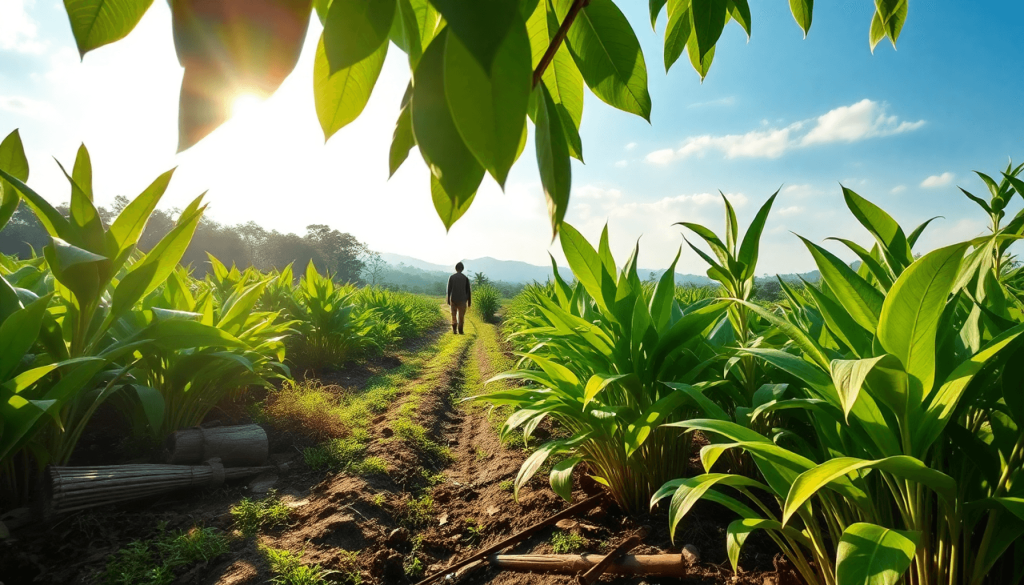
Kratom, a traditional Indonesian plant, is experiencing a surge in global demand, positioning itself as a key player in sustainable agriculture. This article delves into how Kratom is leading a “Green Revolution” that empowers Indonesian communities economically and socially. Through its unique properties and cultural significance, Kratom has the potential to transform eco-friendly farming practices while uplifting local populations.
The Origins and Cultural Importance of Kratom in Indonesia
Kratom, deeply rooted in Indonesian culture, holds a significant heritage and importance within the country. Here’s a closer look at its historical background and cultural significance:
1. Historical Background
Kratom cultivation dates back centuries in Indonesia, where it has been traditionally grown and used for its medicinal properties. The plant’s leaves have been cherished for their natural benefits, contributing to its widespread cultivation across the archipelago.
2. Traditional Uses
Indonesian communities have long utilized Kratom for various health purposes, including pain relief, energy enhancement, and relaxation. Its natural properties have made it a staple in traditional medicine practices, passed down through generations.
3. Cultural Significance
Embedded in Indonesian heritage, Kratom plays a vital role in rituals and ceremonies. Its presence in daily life showcases the deep connection between the plant and the cultural identity of local communities. The reverence for Kratom extends beyond its practical uses to symbolize tradition and community bond.
The rich history and cultural importance of Kratom in Indonesia underscore its value beyond economic considerations, reflecting a profound relationship between nature, tradition, and societal customs.
Kratom as a Catalyst for Economic Growth
Kratom farming is crucial for economic growth in rural Indonesian communities. It plays a significant role in transforming local economies and providing sustainable livelihoods. Here are the key points to consider:
1. Role of Kratom Farming
Kratom cultivation offers employment opportunities for local farmers, enabling them to support their families and improve their quality of life. The industry not only creates jobs but also fosters entrepreneurship among community members.
2. Indonesia’s Global Position
Indonesia is the largest producer and exporter of Kratom worldwide, taking advantage of the plant’s increasing demand in global markets. This makes Indonesia a major player in the Kratom industry and significantly contributes to its economy.
3. Economic Transformation
The revenue generated from Kratom farming has brought about a noticeable change in rural areas, with previously struggling villages now experiencing prosperity. This economic growth is evident through improved infrastructure, access to education, and better living standards.
This economic empowerment through Kratom cultivation uplifts individuals and families and positively impacts the overall socio-economic landscape of Indonesia. Farmers’ sustainable practices further emphasize the industry’s dedication to long-term growth and community development.
Social Impact: Empowering Farmers and Communities
Kratom farming drives significant job creation in rural Indonesian areas where employment options are limited. The industry employs thousands directly in cultivation, harvesting, processing, and distribution roles. These jobs range from farm labor to managerial positions, providing diverse income opportunities that help reduce poverty.
Increased earnings from kratom have a noticeable effect on uplifting rural communities. Families gain financial stability, allowing investments in education, healthcare, and housing improvements. Many farmers report enhanced quality of life as they afford better transportation and infrastructure within their villages. This economic boost also stimulates local businesses such as markets and services, creating a ripple effect throughout the community.
Case studies highlight how kratom cultivation transforms entire villages:
- In West Kalimantan, a cooperative of smallholder farmers united around kratom farming has increased household incomes by over 40%. This collective approach fosters shared knowledge and resources while improving bargaining power in markets.
- A village in Sumatra saw youth engagement rise as young people found new career paths within the kratom supply chain. This shift counters rural-urban migration trends by keeping families rooted locally.
- “Daun Harapan” (“Leaf of Hope”) documents personal stories where kratom farming empowered women entrepreneurs who established processing centers, generating additional employment and leadership opportunities for women.
The Green Revolution: How Kratom Is Empowering Indonesian Communities goes beyond economics. It creates social cohesion through cooperative efforts and generates pride in cultivating a traditional plant now gaining global recognition. These successes illustrate the profound social impact kratom has by fostering sustainable livelihoods and stronger community bonds across Indonesia’s rural heartlands.
Environmental Benefits of Kratom Farming
Sustainable farming practices play a crucial role in the cultivation of kratom. Indonesian farmers increasingly adopt methods that maintain soil health and minimize chemical inputs. These practices help ensure the long-term productivity of kratom plantations while protecting local ecosystems.
Key aspects of sustainable kratom farming include:
- Agroforestry techniques: Integrating kratom trees with other native plants to promote biodiversity.
- Organic fertilization: Using natural compost instead of synthetic fertilizers.
- Soil conservation: Employing contour planting and mulching to prevent erosion.
Deforestation prevention is a significant concern in Indonesia, where forest loss has been driven by agriculture and logging. Kratom cultivation offers an alternative that encourages responsible land use. Many farmers cultivate kratom on existing farmland or degraded areas rather than clearing primary forests. This approach reduces pressure on Indonesia’s rich rainforests.
Efforts to formalize sustainable farming include training programs for farmers on environmental best practices and certification initiatives linked to export quality standards. These measures contribute to preserving habitats for wildlife and reducing carbon emissions associated with deforestation.
Kratom farming, when managed responsibly, supports both economic development and environmental stewardship, creating a balanced model for rural growth.
The focus on sustainable farming ensures that as demand grows, the natural resources supporting kratom remain intact for future generations.
Navigating Challenges: Regulatory Issues and Safety Concerns
Regulatory challenges, legal status, and safety concerns play significant roles in the Kratom industry, both in Indonesia and globally. Here are the key points to consider:
1. Regulatory Challenges
The Kratom industry faces various regulatory hurdles, especially in countries where the legal status of Kratom is ambiguous or under scrutiny. In Indonesia, navigating regulatory frameworks can be complex, impacting cultivation, distribution, and export processes.
Abroad, different countries have diverse regulations regarding Kratom, leading to uncertainties for producers and consumers alike. The lack of harmonized laws poses challenges for the industry’s growth and sustainability.
2. Legal Status of Kratom
The legal status of Kratom varies widely across different nations. While Indonesia is a major exporter, some countries have banned its use outright or strictly control its distribution. This disparity creates obstacles for international trade and market access.
Understanding the legality of Kratom in specific regions is crucial for stakeholders to operate within the confines of the law and avoid potential legal repercussions.
3. Safety Concerns
Safety considerations surrounding Kratom consumption are paramount. Issues related to product quality, proper dosages, potential interactions with other substances, and long-term health impacts require attention.
Addressing safety concerns through education, quality control measures, and responsible marketing practices is essential to promote consumer well-being and confidence in the industry.
Navigating these challenges requires collaboration between industry players, policymakers, and regulatory bodies to establish clear guidelines that ensure both compliance with legal requirements and consumer safety. By addressing regulatory issues and safety concerns effectively, the Kratom industry can continue to evolve sustainably while meeting the needs of diverse global markets.
Towards a Sustainable Future: Ethical Production and Quality Standards
The importance of ethical production practices in the Kratom industry cannot be overstated. As Kratom cultivation continues to fuel economic growth in Indonesian communities, it is crucial to ensure that production methods are sustainable and ethically sound. This involves not only meeting quality standards but also considering the environmental and social impacts of Kratom farming.
Balancing commercialization with sustainability efforts is a delicate task. While the demand for Kratom is on the rise, it is essential to maintain ethical production practices that prioritize the well-being of both the environment and local communities. By finding a harmonious balance between commercial success and sustainable practices, the Kratom industry can continue to thrive while preserving its long-term viability.
The role of collaboration among stakeholders is key in promoting quality standards and sustainable practices within the Kratom industry. By working together, farmers, government agencies, exporters, and other relevant parties can establish guidelines that ensure ethical production, environmentally friendly farming methods, and fair labor practices. This collaborative approach not only benefits the industry as a whole but also upholds the values of the Green Revolution: How Kratom Is Empowering Indonesian Communities.
By upholding ethical production practices, balancing commercialization with sustainability efforts, and fostering collaboration among stakeholders, the Kratom industry can pave the way for a sustainable future that benefits both Indonesian communities and the environment.
The Role of Research and Policymakers in Shaping the Future of the Industry
The Importance of Ongoing Research Initiatives
Ongoing research initiatives play a crucial role in uncovering the potential benefits and risks associated with Kratom use. These studies delve into various aspects such as its medicinal properties, safety profile, and long-term effects on consumers.
Guiding Policymakers through Evidence-Based Insights
Research is essential for providing evidence-based insights that can guide policymakers in making informed decisions regarding the regulation and sustainability of the Kratom industry. By understanding the scientific data behind Kratom, policymakers can develop policies that balance consumer safety with economic opportunities for Indonesian communities.
The Impact of Policymakers on the Kratom Industry
Policymakers hold a key role in shaping the future of the Kratom industry by enacting regulations that support responsible cultivation, production, and distribution practices. Their decisions impact not only the local farmers and businesses but also the global perception and trade of Kratom.
Collaboration for a Sustainable Future
Research initiatives and policymakers must work hand in hand to ensure a sustainable future for the Kratom industry. By fostering collaboration between scientific inquiry and regulatory frameworks, they can navigate the complexities of this evolving landscape while prioritizing both public health and economic development.
Conclusion
Kratom’s journey from traditional plant to economic powerhouse demonstrates the transformative power of sustainable practices in empowering Indonesian communities. Through economic growth, social upliftment, and environmental conservation, Kratom has become a symbol of resilience and progress for rural areas.
Challenges lie ahead in navigating regulatory issues and safety concerns to ensure the industry’s sustainable future. The Green Revolution fueled by Kratom stands as a beacon of hope for the prosperity of Indonesian farmers and the preservation of their cultural heritage.
FAQs (Frequently Asked Questions)
Kratom is a traditional Indonesian plant known for its health benefits such as pain relief, energy boost, and relaxation. It holds deep cultural importance in Indonesia and plays a vital role in the heritage of local communities.
Kratom farming provides livelihoods for many rural communities, transforming local economies. Indonesia, as the largest global producer and exporter of Kratom, benefits economically from its cultivation and exportation.
Kratom industries create job opportunities and increase income levels in rural areas. Success stories highlight how Kratom cultivation uplifts communities by offering sustainable employment and economic stability.
Kratom farming employs sustainable agricultural practices that help prevent deforestation. Responsible cultivation methods ensure environmental conservation while supporting community livelihoods.