
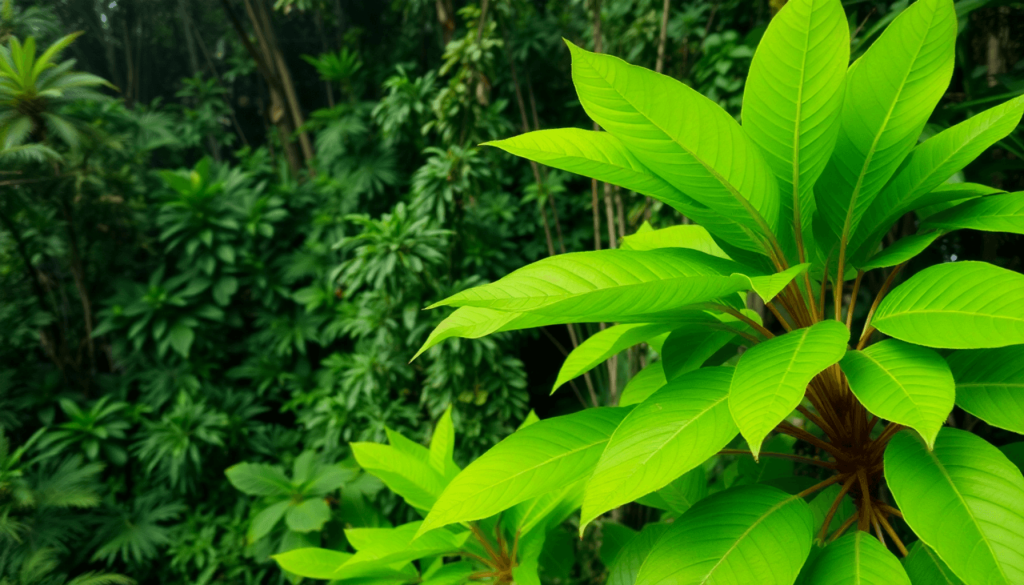
The Green Wellness Revolution is a transformative movement that combines traditional practices with modern sustainability. A prime example of this is the incredible journey of Kratom in Indonesia. This natural remedy, deeply rooted in Indonesian culture for centuries, is now gaining worldwide recognition for its healing properties and positive influence on communities.
In this article, we will:
- Explore the essence of the Green Wellness Revolution and how Kratom represents holistic well-being in the face of contemporary challenges.
- Discover the appeal of Kratom as an esteemed traditional plant in Indonesia, revealing its medicinal power and offering insight into the realm of natural remedies and alternative medicine.
- Examine the intricate connection between Indonesian culture and Kratom’s cultural importance, investigate its scientifically-supported health benefits, and reveal how the Kratom industry promotes local community empowerment.
Kratom embodies a harmonious fusion of tradition and innovation, symbolizing sustainable wellness practices and economic empowerment in Indonesia.
Historical and Cultural Significance of Kratom in Indonesia
Kratom has a rich cultural heritage rooted deeply in Indonesian history. This traditional plant has been used for centuries, with documented use going back hundreds of years among indigenous communities. Its origins can be traced to the lush rainforests of Sumatra, Borneo, and other islands where local populations discovered its versatile properties.
Kratom’s Role in Indonesian Culture
In Indonesian culture, Kratom holds a significant place in rituals and community traditions. It is often consumed during social gatherings or spiritual ceremonies to foster connection and mindfulness. Some tribes view Kratom as a sacred plant, using it as an offering or a means to enhance focus during important events. These practices highlight the plant’s role beyond mere consumption—embedding it as a symbol of communal identity and continuity.
Traditional Medicinal Uses of Kratom
Traditional medicinal applications of Kratom emphasize its diverse benefits:
- Pain relief: Used by laborers and farmers to alleviate physical discomfort.
- Energy boost: Consumed to increase stamina during long workdays.
- Relaxation: Employed to reduce stress and promote restful sleep after strenuous activity.
This longstanding usage shows how innovation can exist within tradition, where ancient knowledge about Kratom’s medicinal properties continues to inform modern approaches.
Medicinal Properties and Scientific Research on Kratom
Kratom’s medicinal properties have been recognized in Indonesian traditional medicine for centuries. Locals use it primarily for:
- Pain relief: alleviating chronic and acute pain conditions naturally
- Stress relief: calming nerves and reducing mental fatigue
- Anxiety relief: promoting relaxation and emotional balance
- Energy boost: enhancing stamina and focus during physically demanding tasks
- Addiction recovery: easing withdrawal symptoms from opioids and other substances
Scientific research is beginning to validate many of these traditional claims. Studies identify active alkaloids, such as mitragynine and 7-hydroxymitragynine, which interact with opioid receptors in the brain to provide analgesic effects without the high addiction risk typical of conventional opioids. Research also explores Kratom’s ability to modulate mood and reduce anxiety by influencing serotonin and dopamine pathways.
Clinical trials investigating Kratom’s efficacy in addiction recovery show promising results in mitigating withdrawal symptoms, suggesting its potential as a harm reduction tool. Investigations into energy enhancement highlight Kratom’s stimulant-like effects at lower doses, improving physical performance and mental alertness.
Despite encouraging findings, scientific consensus remains cautious. More rigorous, controlled studies are necessary to fully understand Kratom’s therapeutic potential, safety profile, dosage standards, and long-term effects. This research gap highlights the importance of continued exploration to unlock the full spectrum of health benefits Kratom may offer.
Economic Empowerment Through Kratom Farming in Rural Communities
Kratom farming plays a crucial role in uplifting rural communities in Indonesia. Small-scale farmers, often from economically disadvantaged backgrounds, have found a sustainable source of income through cultivating Kratom. The increasing global demand for this traditional plant has created a profitable market for these farmers. This economic empowerment not only provides financial stability but also enhances the overall quality of life in these regions.
1. Livelihood Source for Rural Indonesians
Kratom cultivation serves as a source of livelihood for rural Indonesians, particularly small-scale farmers who benefit from its high market demand.
The Kratom industry’s growth has led to significant poverty reduction in rural areas, where access to conventional job opportunities may be limited. By engaging in Kratom cultivation, locals have diversified their income streams and unlocked entrepreneurship prospects. This shift towards sustainable farming practices not only benefits individual farmers but also contributes to the broader goal of community development within Indonesia.
2. Impact on Poverty Reduction and Local Living Standards
The impact of the Kratom industry on poverty reduction and improvement of local living standards through income diversification and entrepreneurship opportunities is noteworthy.
The increasing global demand for this traditional plant has created a profitable market for these farmers. This economic empowerment not only provides financial stability but also enhances the overall quality of life in these regions.
Social Benefits and Community Development Linked to the Kratom Industry
The Kratom industry has brought about significant social benefits and community development opportunities. One of the key advantages is the creation of jobs across various sectors of the supply chain. This includes:
- Cultivation: Farmers and landowners are now able to cultivate Kratom plants, providing them with a sustainable source of income.
- Harvesting: With the rise in demand for Kratom, there is a need for skilled individuals who can efficiently harvest the leaves.
- Processing: Processing facilities have been established to convert raw Kratom leaves into various products such as powders, capsules, and extracts. This has created job opportunities for workers in these facilities.
- Distribution: The growth of the Kratom industry has also led to an increase in logistics and distribution services, creating jobs in transportation and delivery.
Youth Engagement through New Career Paths
Another social benefit of the Kratom industry is its impact on youth engagement. As this industry continues to grow, it opens up new career paths for young individuals who may have previously lacked opportunities. Here are some ways in which the Kratom industry has influenced youth involvement:
- Entrepreneurship: Young entrepreneurs are now able to start their own businesses related to Kratom, such as online stores or local shops selling Kratom products.
- Employment: The establishment of processing facilities and distribution centers has created job opportunities for young people entering the workforce.
- Education: With the increasing interest in Kratom, educational programs and workshops are being conducted to educate young individuals about sustainable farming practices, herbal medicine, and entrepreneurship.
The social benefits derived from the Kratom industry extend beyond just economic growth. They also contribute to community development by empowering individuals, especially the youth, to take charge of their livelihoods and explore new avenues for success.
Sustainable Farming Practices and Environmental Preservation Efforts in Kratom Cultivation Areas
Indonesian farmers cultivating Kratom are increasingly embracing sustainable farming practices to protect the environment while maintaining high-quality crop production. These methods include:
- Agroforestry techniques where Kratom plants grow alongside native trees and other crops, creating a diverse and balanced ecosystem that supports soil health and reduces pest outbreaks naturally.
- Use of organic fertilization, relying on natural compost and manure instead of chemical inputs, which preserves soil structure and minimizes contamination of local water sources.
Such approaches contribute to the conservation of Indonesia’s rich biodiversity by maintaining habitats for various plant and animal species within agricultural landscapes.
Specific environmental initiatives complement these farming practices:
- Reforestation projects aim to restore degraded land surrounding Kratom plantations, helping to sequester carbon, mitigate climate change impacts, and enhance watershed protection.
- Programs promoting soil conservation prevent erosion on sloped farmlands through terracing and cover cropping, ensuring long-term viability of Kratom cultivation areas.
This combination of sustainable farming and environmental preservation creates a model where economic benefits from Kratom do not come at the expense of Indonesia’s natural heritage. Farmers’ commitment to ecological stewardship helps balance productivity with ecosystem health, setting a positive example for sustainable crop development in tropical regions.
Ethical Production Standards and Fair Trade Principles in the Kratom Industry
Ethical production and fair trade principles are at the heart of the Green Wellness Revolution: How Kratom Is Empowering Indonesian Communities. These standards ensure that the benefits of the growing Kratom industry go beyond profits and directly support farmers and local communities.
Key Components of Ethical Production and Fair Trade in the Kratom Industry
- Collaboration Among Stakeholders: Farmers, government bodies, exporters, and certification organizations work together to establish and maintain high-quality assurance protocols. This cooperation enforces sustainability standards that protect natural resources while ensuring product integrity.
- Fair Labor Practices: Protecting worker rights is essential. Fair wages, safe working conditions, and respect for labor laws create a supportive environment for those involved in cultivation, harvesting, and processing. This approach improves livelihoods and fosters long-term commitment to sustainable farming.
- Environmentally Responsible Sourcing: Ethical sourcing means prioritizing methods that minimize ecological impact. By following environmental care guidelines throughout the supply chain, producers reduce deforestation risks and maintain biodiversity.
The Impact of Ethical Production and Fair Trade on Indonesian Communities
The adoption of these principles creates a transparent value chain where consumers can trust the origin and quality of Kratom products. It also empowers Indonesian communities by promoting equitable economic opportunities, reinforcing social stability, and preserving cultural heritage tied to this traditional plant.
Legal Challenges And Regulatory Issues Surrounding The Kratom Industry
The Kratom industry faces a complex legal landscape both domestically and internationally, with varying regulations impacting cultivation, distribution, and consumption.
Domestic Legal Status
In the United States, the legal status of Kratom varies from state to state. While it is legal at the federal level, some states have implemented bans or restrictions on its sale and use. This patchwork of regulations creates uncertainty for businesses operating in multiple states and makes it difficult for consumers to know their rights and responsibilities regarding Kratom.
International Legal Status
In Indonesia, Kratom is legally recognized as a traditional herbal medicine, but the regulatory framework around its production and exportation can be ambiguous. This lack of clarity can create challenges for Indonesian farmers and exporters who are trying to comply with both domestic and international laws.
Internationally, countries have diverse approaches towards Kratom legality, ranging from total bans to regulated markets. This creates challenges for exporters and importers navigating different legal requirements. For example, if a country has banned Kratom but another country allows its importation, it can lead to illegal trafficking and undermine efforts to promote safe and responsible use of the substance.
Risks Of Lack Of Standardized Regulations
The lack of standardized regulations poses risks for the industry in terms of quality control, consumer safety, and market stability. Without clear guidelines on how Kratom products should be produced, tested, and labeled, there is a risk of substandard or contaminated products entering the market. This can harm consumers and damage the reputation of the industry as a whole.
Furthermore, inconsistent regulations across different jurisdictions can create barriers to trade and hinder the growth of the Kratom market. Businesses may find it difficult to expand their operations or access new markets if they have to navigate complex legal requirements in each location.
To address these challenges, it is crucial for stakeholders in the Kratom industry – including policymakers, regulators, and industry associations – to work together towards establishing clear and consistent regulatory frameworks. Such frameworks should prioritize consumer safety while also supporting sustainable growth in the market.
The Global Market For Kratom And Commercialization Trends: Balancing Commercial Expansion With Sustainability And Cultural Preservation As Indonesia Emerges As A Leading Producer Exporter Driven By Innovations In Processing Product Development Fueling Commercialization
The global market for Kratom is experiencing significant growth, with Indonesia emerging as the largest producer and exporter worldwide. This surge in demand is driven by the increasing recognition of Kratom’s medicinal properties and natural benefits. Indonesia’s strategic position as a key player in the Kratom industry has positioned the country at the forefront of commercialization trends.
As commercial expansion continues, it is crucial to balance this growth with sustainability practices and cultural preservation efforts. Indonesia must navigate the challenges of meeting global demand while ensuring that Kratom farming remains environmentally friendly and socially responsible. Innovations in processing and product development play a vital role in fueling this commercialization drive, allowing Indonesian communities to benefit economically while maintaining their cultural heritage.
This intersection of commercial success, sustainability, and cultural preservation underscores the transformative power of Kratom within Indonesian communities and its impact on the global market.
Success Stories Highlighting The Positive Impact Of The Kratom Industry On Local Communities’ Well-Being
The Green Wellness Revolution: How Kratom Is Empowering Indonesian Communities is illustrated vividly through tangible examples of economic impact and community empowerment across Indonesia.
1. West Kalimantan Cooperatives Increasing Household Incomes
In West Kalimantan, cooperative models have transformed small-scale Kratom farmers into prosperous contributors to their local economies. By pooling resources and sharing best practices, these cooperatives have boosted household incomes significantly. Farmers report stable earnings that support education, healthcare, and improved living standards for their families.
2. Youth Engagement Success Examples From Sumatra’s Emerging Supply Chain Roles
Sumatra showcases a new generation embracing the Kratom industry. Young entrepreneurs and workers are taking on roles in cultivation, processing, and distribution—fields previously less accessible to them. This involvement offers meaningful career paths and skill development opportunities, reducing rural unemployment and inspiring community optimism.
3. Women-Led Enterprises Contributing To Local Economies
Women in several regions have launched Kratom processing centers and small businesses. These enterprises not only generate income but also empower women with leadership roles traditionally uncommon in rural areas. Their success enhances family welfare while promoting gender equity within the agricultural economy.
These success stories highlight how the Kratom sector delivers more than economic gain; it fosters social cohesion and sustainable growth by integrating diverse community members into the evolving market landscape.
Conclusion
The Green Wellness Revolution driven by Kratom is more than just a trend; it’s a powerful movement that is empowering Indonesian communities. Through sustainable farming practices and a rich cultural heritage, Kratom is revitalizing local economies while also protecting the environment. This amazing plant represents strength and togetherness, connecting traditional values with modern sustainability efforts.
As Indonesia becomes an important player in the global market, the Green Wellness Revolution offers a comprehensive approach to well-being that includes economic growth, social empowerment, and environmental responsibility. Be part of the journey towards a greener and healthier future with Kratom leading the way.
FAQs (Frequently Asked Questions)
The Green Wellness Revolution refers to the growing movement towards natural remedies and sustainable wellness practices. Kratom, a traditional Indonesian plant with medicinal uses, is central to this revolution by empowering local communities through its health benefits and economic potential.
Kratom has been used for centuries in Indonesia as part of cultural heritage, traditional rituals, and medicinal applications. It plays an important role in community traditions by providing pain relief, energy boosts, and relaxation, reflecting its deep-rooted significance within Indonesian culture.
Scientific studies support Kratom’s traditional uses for pain relief, stress and anxiety management, energy enhancement, and addiction recovery. While promising, ongoing research is necessary to fully understand its therapeutic potential and ensure safe usage.
Kratom farming offers income generation opportunities for small-scale farmers in rural areas. The high market demand helps reduce poverty by diversifying income sources and fostering entrepreneurship, thereby improving local living standards as part of the Green Wellness Revolution.