
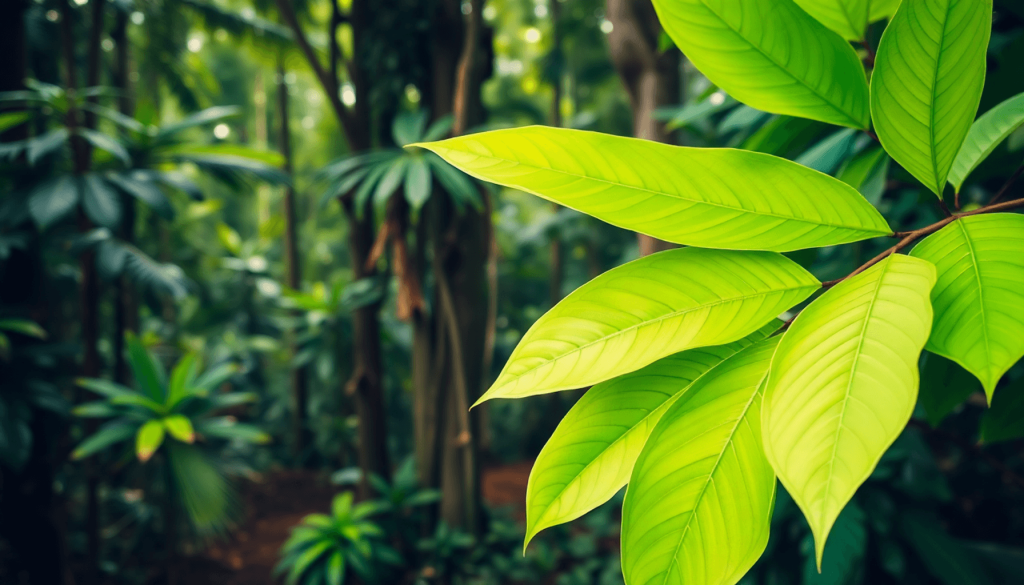
Kratom, a traditional herbal remedy native to Indonesia, has been used for centuries by local communities for its diverse therapeutic properties. Derived from the leaves of the Mitragyna speciosa tree, kratom holds a unique place in Indonesia’s rich botanical biodiversity. Its applications range from pain relief and energy enhancement to relaxation and mood support.
In 2025, kratom is experiencing unprecedented global recognition. This surge in popularity is driven by increasing interest in natural wellness products and alternative medicine across international markets. Consumers worldwide are turning to kratom for its reported benefits, positioning it as a prominent player in the global herbal supplement industry.
This article delves into multiple dimensions of kratom’s journey—from its deep cultural roots in Indonesia to its expanding medicinal use and significant economic impact. You will discover how kratom’s traditional heritage intersects with modern scientific research and global trade dynamics. Understanding this herb’s multifaceted significance helps appreciate why kratom in 2025 stands out not just as a plant but as an emblem of Indonesia’s enduring contribution to natural health solutions.
The Origins and Traditional Uses of Kratom in Indonesia
Kratom has been used for centuries in Indonesia, where the Mitragyna speciosa tree grows in tropical climates. This traditional plant is an important part of Indonesia’s herbal heritage, deeply rooted in local customs and everyday life. Historical records and oral traditions show that kratom was mainly used by rural communities for its natural healing properties.
How Local Communities Have Used Kratom
Local populations have long relied on kratom leaves for:
- Pain relief: Chewing fresh leaves or brewing them into teas helped alleviate chronic pain from manual labor, arthritis, and minor injuries.
- Energy boost: Farmers and laborers consumed kratom to enhance stamina during long working hours under the hot sun.
- Relaxation and stress relief: At day’s end, kratom served as a calming agent to reduce anxiety and promote restful sleep.
The Cultural Significance of Kratom
The cultural importance of kratom goes beyond its practical uses. It represents a connection between nature and wellness in Indonesian botanical heritage. Traditionally, kratom was also included in social rituals where sharing brewed leaves strengthened community bonds.
Indigenous knowledge emphasizes sustainable harvesting methods to preserve the plant’s potency and ecological balance. This respect for nature shows that kratom is not just a herbal remedy but also a vital part of Indonesia’s ethnobotanical identity.
Such deep-rooted traditional use forms the foundation for kratom’s expanding reputation worldwide, underscoring its authenticity as a natural source of pain management, energy enhancement, and anxiety relief.
Kratom’s Global Rise as a Wellness Product in 2025
The global demand for kratom has surged significantly, fueled by growing interest in wellness products and alternative medicine. Consumers worldwide are seeking natural solutions to support their health, pushing kratom into the spotlight as a versatile botanical supplement. This surge reflects a broader shift toward plant-based remedies that complement or replace conventional pharmaceuticals.
Key international markets embracing kratom
Key international markets have embraced kratom across various industries:
- Dietary Supplements: Kratom powders, capsules, and extracts are popular for their purported benefits in energy enhancement, pain relief, and stress reduction.
- Natural Remedies: Herbalists and wellness practitioners incorporate kratom into formulations aimed at supporting mental clarity and emotional balance.
- Functional Beverages: Liquid kratom shots and teas cater to consumers looking for convenient wellness options on the go.
The science behind kratom’s appeal
The unique alkaloids in kratom—primarily mitragynine and 7-hydroxymitragynine—have attracted worldwide scientific and consumer attention. These compounds interact with opioid receptors but differ from traditional opioids by providing a range of effects from mild stimulation at lower doses to relaxation at higher doses. This dual-action profile positions kratom as an intriguing herbal alternative for managing pain, fatigue, and anxiety without the harsh side effects associated with many synthetic drugs.
Kratom’s potential in recovery
Global interest also stems from anecdotal reports and emerging research highlighting kratom’s role in supporting recovery from opioid dependence. This has spurred demand not only among consumers but also healthcare professionals exploring integrative health approaches.
Meeting consumer expectations
Consumers today prioritize transparency, quality, and efficacy. The kratom industry responds by emphasizing third-party lab testing and clear alkaloid profiles to assure users of safe, potent products. This professionalization helps solidify kratom’s place within the expanding global wellness landscape.
Understanding the Medicinal Benefits of Kratom: Mitragynine and 7-Hydroxymitragynine Explained
Kratom, a herbal remedy gaining global recognition, contains two primary alkaloids—mitragynine and 7-hydroxymitragynine—that contribute to its medicinal properties. These active compounds have shown promise in various areas, including pain management, stress reduction, energy enhancement, and cognitive support.
Documented Benefits of Mitragynine and 7-Hydroxymitragynine
- Pain Management: Mitragynine acts on opioid receptors to alleviate pain signals, offering a natural alternative for chronic pain sufferers.
- Stress and Anxiety Reduction: The calming effects of 7-hydroxymitragynine can help manage stress and anxiety levels without the sedative effects of traditional medications.
- Energy Enhancement: Both alkaloids provide a boost in energy, making Kratom a popular choice for individuals seeking increased focus and productivity.
- Cognitive Support: Users report improved cognitive function and mental clarity with regular Kratom consumption.
Supporting Addiction Recovery
Kratom has gained attention for its potential role in addiction recovery due to its interaction with opioid receptors. Some individuals have successfully used Kratom to manage withdrawal symptoms from opioids, showcasing its promise as a harm reduction tool.
Ongoing Scientific Research
Research efforts are underway to further investigate the therapeutic effects of mitragynine and 7-hydroxymitragynine. Studies are focusing on validating the documented benefits of these compounds, shedding light on their mechanisms of action and potential applications in modern medicine.
By exploring the active compounds found in Kratom and their associated benefits, we gain valuable insights into the plant’s multifaceted nature as a herbal remedy. From pain management to cognitive enhancement, Kratom’s medicinal potential continues to be a subject of interest for researchers and users alike.
Indonesia’s Dominance in Kratom Production and Exportation
Indonesia is the largest producer and exporter of kratom in the world. The country’s tropical climate and fertile soil create ideal conditions for cultivating Mitragyna speciosa, enabling sustainable growth of high-quality kratom leaves. This dominant position in the global market reflects decades of traditional cultivation practices combined with modern agricultural techniques.
Supporting Rural Communities and Small-Scale Farmers
The cultivation of kratom plays a vital role in supporting rural communities and small-scale farmers across several Indonesian provinces. For many families, kratom farming is not just an economic activity but a primary source of livelihood. It provides steady income opportunities that help alleviate poverty in remote areas where alternative employment options are limited. Farmers often cultivate kratom alongside other crops, integrating it into diversified agricultural systems that promote land use efficiency and environmental balance.
Stimulating Local Economies
The impact on the agricultural economy extends beyond individual farms. Kratom production stimulates local economies through:
- Job creation in planting, harvesting, processing, and packaging.
- Development of related industries such as transportation and export logistics.
- Increased demand for farming inputs and equipment.
Encouraging Investment and Quality Control
The growing international demand for Indonesian kratom has encouraged investment in infrastructure and quality control measures. Government initiatives to regulate production standards ensure that exported products meet strict safety and purity criteria, reinforcing Indonesia’s reputation as a reliable supplier.
Empowering Local Producers
Smallholder farmers benefit from organized cooperatives and fair trade practices that improve bargaining power and market access. These structures empower local producers to achieve better prices while maintaining sustainable farming methods.
Indonesia’s leadership in kratom production firmly establishes the country as a cornerstone of this expanding herbal remedy market. The combination of traditional knowledge, rural livelihoods, and modern export strategies drives both community development and national economic growth within the kratom sector.
Navigating Legal Challenges: The Regulatory Landscape Surrounding Kratom Trade
Indonesia enforces strict export regulations designed to safeguard the quality and safety of kratom products entering international markets. Key measures include:
- Sterilization requirements to eliminate microbial contamination and ensure product hygiene.
- Alkaloid concentration limits, particularly on mitragynine levels, to maintain consistency and comply with importing countries’ standards.
- Restrictions on certain kratom forms such as crushed leaves or unprocessed raw materials, aiming to reduce risks associated with adulterated or unsafe products.
These regulations reflect Indonesia’s commitment to responsible trade and help build confidence among global buyers by guaranteeing product integrity.
The kratom industry encounters various legal challenges across different countries. For example, the United States has issued FDA import alerts restricting certain kratom shipments due to concerns about contamination and unverified health claims. Import bans or stringent controls are also present in parts of Europe and Asia, creating a complex patchwork of regulations that producers and exporters must navigate.
Legal hurdles affect supply chains significantly:
- Delays in customs clearance increase shipping times and costs.
- Uncertainty over regulatory compliance discourages some distributors from engaging with kratom products.
- Market growth slows down due to limited access in key regions despite rising consumer interest.
Regulatory issues force exporters to invest more in testing, documentation, and certification processes to meet the highest standards demanded by importers. These measures can be costly but are critical for sustaining long-term market presence.
Adapting to this evolving regulatory landscape requires close collaboration between Indonesian authorities, producers, exporters, and international regulators. Transparency in manufacturing practices combined with rigorous quality control helps mitigate legal risks while supporting the expanding global demand for kratom as a natural wellness product.
Ensuring Safety: Addressing Concerns Related to Misuse, Addiction Risks, and Long-Term Consumption
Safety concerns surrounding kratom are a crucial part of the global conversation about this substance. While kratom has many potential benefits, it also carries risks associated with improper use or excessive consumption.
Misuse Risks
One of the main concerns is the possibility of misuse. Users who are not familiar with proper dosage guidelines may experience negative effects such as nausea, dizziness, or symptoms resembling dependency. These issues often stem from unregulated products or inconsistent levels of active compounds in kratom.
Addiction Risks
Another important aspect to consider is the risk of addiction. Although these risks are generally lower than those associated with traditional opioids, they still require attention. The active compounds in kratom—mitragynine and 7-hydroxymitragynine—interact with opioid receptors in the brain. If consumed in high doses over long periods, this interaction could potentially lead to tolerance and withdrawal symptoms.
Long-Term Effects
The effects of long-term kratom use have not been extensively studied yet. However, there are concerns that it may pose risks such as liver toxicity and cognitive impairment in certain individuals. Reports indicate a need for ongoing research to better understand these outcomes under different patterns of usage.
Key safety considerations include:
- Accurate dosing based on reliable product information
- Avoiding mixing kratom with other substances, especially depressants
- Monitoring for signs of dependency or negative reactions
- Prioritizing products that undergo third-party lab testing to ensure purity
Addressing these safety concerns is crucial for maintaining kratom’s reputation as a beneficial herbal remedy while minimizing the risks of misuse.
Promoting Responsible Use Guidelines: Balancing Benefits with Risks
Responsible use guidelines are crucial in navigating the potential risks associated with kratom consumption, particularly addiction. Reputable companies within the kratom industry play a vital role in promoting safe and responsible usage practices among consumers.
These guidelines aim to strike a balance between the benefits of kratom and the risks it may pose if misused or overconsumed. By emphasizing education, dosage recommendations, and awareness of addiction risks, these companies help ensure that individuals can experience the positive effects of kratom while minimizing potential harm.
Establishing clear guidelines for use not only safeguards consumers but also contributes to building trust in the industry and fostering a culture of responsible kratom consumption.
Sustainability Initiatives in Indonesian Kratom Farming Regions
Sustainability and environmental conservation are becoming central to kratom cultivation in Indonesia. Producers increasingly recognize that maintaining healthy ecosystems directly supports the long-term viability of kratom farming. Several sustainable sourcing practices have been adopted to balance economic growth with ecological responsibility.
1. Agroforestry systems
Many kratom farmers integrate kratom trees with other native plants, promoting biodiversity and reducing soil erosion. This method mimics natural forest conditions, enhancing soil fertility while preserving local flora and fauna.
2. Organic farming techniques
Avoiding synthetic pesticides and fertilizers helps protect water sources from contamination and ensures safer products. Organic practices also contribute to healthier soil microbiomes, crucial for robust kratom leaves.
3. Selective harvesting
Instead of clear-cutting or overharvesting leaves, farmers use careful pruning methods. This allows kratom trees to regenerate naturally, sustaining productivity without degrading the land.
4. Water management
Implementing rainwater catchment systems and minimizing irrigation reduces strain on local water resources. Kratom cultivation often occurs in regions prone to seasonal droughts, making efficient water use vital.
These sustainability strategies aim to secure a steady supply of high-quality kratom while minimizing environmental impact. They reflect growing awareness within the Indonesian kratom industry that ecological health and product excellence go hand in hand.
Ethical Considerations in Kratom Production: Supporting Local Communities Through Fair Trade Practices
As the demand for kratom continues to rise globally, it becomes increasingly important to ensure that its production is carried out ethically. This means implementing standards that not only benefit the livelihoods of farmers but also protect the ecosystems in which kratom is cultivated.
Fair Trade Practices
One way to achieve this is through fair trade practices. By paying farmers a fair price for their products, we can help lift them out of poverty and provide them with a sustainable source of income. This, in turn, allows them to invest in their communities and improve their living conditions.
Environmental Sustainability
In addition to supporting farmers, ethical production also involves considering the impact on the environment. Kratom farming areas are often rich in biodiversity and home to various plant and animal species. It is crucial that we implement practices that minimize deforestation and promote sustainable land use.
Empowering Local Communities
By prioritizing ethical production standards, we can empower local communities and give them a voice in the industry. This includes involving them in decision-making processes and ensuring that they have access to resources and support.
As we look towards the future of kratom in 2025, it is essential that we prioritize these ethical considerations. By doing so, we can create a more equitable and sustainable industry that benefits both farmers and the environment.
Innovations Driving Economic Growth: Diversifying Product Offerings for Global Consumers
Innovation plays a crucial role in driving economic growth, and industries around the world are constantly evolving to meet the needs of consumers. One such industry that has seen significant innovation in recent years is the kratom industry.
Recent Innovations in the Kratom Industry
The kratom industry has witnessed several recent innovations that have helped diversify its product offerings and cater to a wider range of global consumers. These innovations include:
- New Product Forms: Kratom products are no longer limited to traditional forms such as tea or raw leaves. With the rise in popularity of kratom among health-conscious individuals and fitness enthusiasts, manufacturers have started introducing new product forms like powders and capsules. This allows consumers to easily incorporate kratom into their daily routines without any hassle.
- Flavor Variations: To appeal to different taste preferences, kratom manufacturers are now offering a variety of flavor options for their products. Whether it’s fruity blends or herbal infusions, these flavor variations provide consumers with more choices and make kratom consumption enjoyable for those who may find the natural taste unappealing.
- Convenient Packaging: Recognizing the on-the-go lifestyle of many consumers, kratom brands have begun investing in convenient packaging solutions. Single-serving sachets or portable bottles make it easier for individuals to carry their preferred kratom products wherever they go, ensuring they never miss out on their desired effects.
- Sustainable Sourcing Practices: As sustainability becomes increasingly important to consumers worldwide, the kratom industry is also adapting by implementing sustainable sourcing practices. Brands that prioritize ethical farming methods and support local communities are likely to attract environmentally-conscious buyers who value transparency in their purchasing decisions.
These innovations not only enhance the appeal of kratom products but also contribute to economic growth by creating new market opportunities and attracting a diverse consumer base.
By continuously innovating and diversifying their product offerings, businesses within the kratom industry can position themselves as leaders in this emerging market while driving economic growth both locally and globally.
Future Prospects: Balancing Tradition with Modernity for Sustainable Growth
The future of Kratom in 2025: Indonesia’s Herbal Remedy Gaining Global Recognition depends on a careful balance between honoring its traditional remedy modernization and meeting contemporary demands. This balance requires:
- Cultural Heritage Preservation: Maintaining the deep-rooted knowledge and practices of Indonesian communities ensures the authenticity and respect for kratom’s origins.
- Scientific Validation: Ongoing research into mitragynine, 7-hydroxymitragynine, and other alkaloids strengthens global confidence in kratom’s medicinal benefits while guiding safe usage.
- Regulatory Compliance: Adhering to strict government standards on quality, safety, and export protocols protects consumers internationally and supports Indonesia’s reputation as a reliable supplier.
- Sustainable Practices: Environmental stewardship in kratom cultivation safeguards ecosystems, ensuring that farming remains viable for future generations of growers.
This integrated approach secures both the livelihoods of Indonesian farmers and continued access to effective, safe kratom products worldwide. Achieving this harmony positions kratom not just as an ancient herbal remedy but as a modern wellness solution with global impact. The path forward blends tradition with innovation, enabling kratom to thrive as a respected botanical treasure in international markets.
FAQs (Frequently Asked Questions)
Kratom is a traditional herbal remedy native to Indonesia, historically used by local communities for pain relief, energy enhancement, relaxation, stress relief, and anxiety reduction. It holds significant cultural importance as part of Indonesia’s rich botanical heritage.
In 2025, Kratom’s global demand has surged due to increasing interest in wellness and alternative medicine. Its unique alkaloids have attracted worldwide attention, leading to adoption in international markets as supplements and natural remedies.
The active compounds mitragynine and 7-hydroxymitragynine provide Kratom with medicinal benefits such as pain management, stress and anxiety reduction, energy enhancement, cognitive support, and assistance in addiction recovery. Ongoing scientific research continues to validate these effects.
Indonesia is the world’s largest producer and exporter of Kratom. The cultivation supports rural livelihoods and small-scale farmers while significantly contributing to the agricultural economy and local development through sustainable farming practices.