
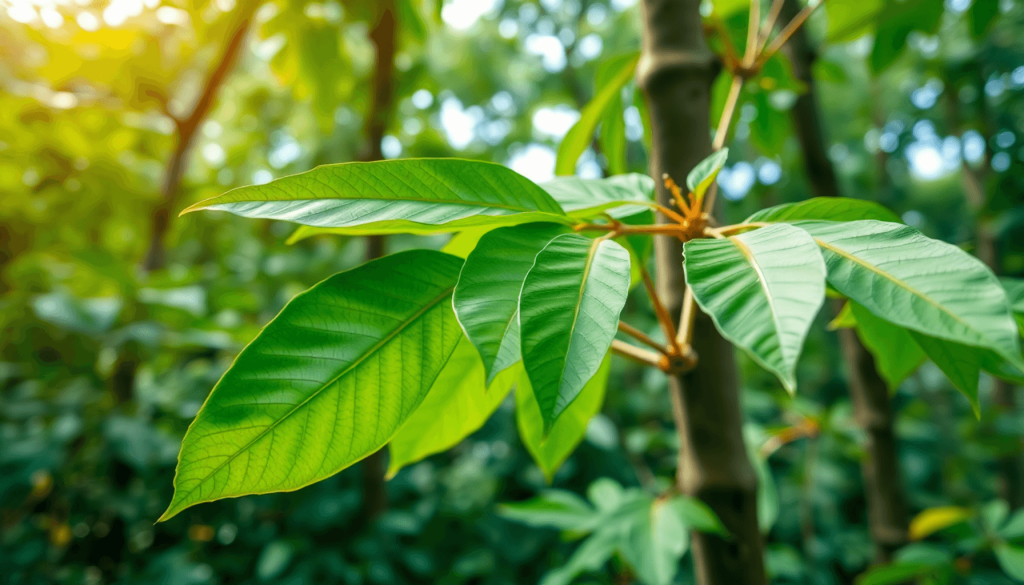
Kratom Rising: Indonesia’s Ancient Leaf Making Waves in Modern Wellness showcases the journey of a remarkable plant deeply rooted in Indonesian culture. Kratom (Mitragyna speciosa) is an ancient leaf revered for centuries by indigenous communities across Indonesia. Traditionally used for its stimulating and calming properties, Kratom has been part of local rituals, medicine, and daily life.
Today, Kratom is experiencing a surge in popularity within the modern wellness industry. Consumers worldwide seek natural alternatives to conventional pharmaceuticals, turning to Kratom for its reported benefits in energy enhancement, mood support, pain relief, and anxiety management. This growing interest propels Kratom beyond a regional herb into a global wellness trend.
The story of Kratom is complex—its dual identity lies in being both a traditional remedy passed down through generations and an emerging global phenomenon influencing health markets. This duality reflects ongoing tensions between preserving cultural heritage and navigating challenges such as misuse, regulatory uncertainties, and economic opportunities.
Indonesia’s agricultural economy benefits significantly from Kratom cultivation, positioning this ancient leaf as not only a healing agent but also an important contributor to rural livelihoods. The rise of Kratom invites us to explore how tradition meets innovation in the evolving landscape of natural wellness.
The Origins and Traditional Role of Kratom
Mitragyna speciosa is an important part of Indonesian culture, especially for indigenous communities. For many years, this evergreen tree has been more than just a plant—it has provided energy, relieved pain, and promoted relaxation.
Historical Uses
Here are some ways in which kratom has been traditionally used:
- Energy Boost: Laborers and farmers traditionally chewed fresh kratom leaves to combat fatigue during long working hours, relying on its mild stimulant properties.
- Pain Relief: In many villages, kratom was used as a natural analgesic to soothe muscle aches and chronic pain without reliance on synthetic drugs.
- Relaxation and Social Rituals: Larger doses were often consumed for calming effects during social gatherings or rituals, highlighting its role beyond medicinal use.
Cultural Significance
The indigenous knowledge about Mitragyna speciosa shows a deep respect for the plant. It is part of their stories, customs, and everyday life. When people share kratom leaves with each other, it strengthens their social connections and represents living in harmony with nature. This cultural importance creates a traditional framework where kratom is valued not only as medicine but also as part of their collective identity.
Sustainable Cultivation Practices
Traditional methods of growing kratom prioritize ecological balance and sustainability. Farmers take care of the trees using organic techniques that have been passed down through generations. These methods include:
- Selective harvesting to avoid overexploitation.
- Maintaining soil health through natural composting.
- Protecting surrounding flora and fauna to preserve biodiversity.
It is crucial to maintain the delicate balance between the cultural significance of Mitragyna speciosa and environmental conservation, especially with the growing pressures from commercialization. Indigenous communities are still fighting for sustainable practices that respect both their heritage and the future of kratom cultivation.
From Tradition to Modern Wellness: The Global Rise of Kratom
Kratom has evolved from its traditional use to become a worldwide sensation in the modern wellness scene, with various applications. Here are the main factors contributing to its growing popularity and demand:
1. Key Active Alkaloids
Mitragynine and 7-hydroxymitragynine are the primary alkaloids present in Kratom leaves. These compounds interact with opioid receptors in the brain, influencing a range of physiological and psychological effects.
2. Modern Wellness Applications
Kratom is sought after for its versatility in addressing various wellness needs, including:
- Stress and Anxiety Relief: Many users turn to Kratom as a natural remedy for managing stress and anxiety symptoms.
- Chronic Pain Management: Its analgesic properties make it a popular choice for individuals seeking relief from persistent pain conditions.
- Energy Boosting: At lower doses, Kratom can provide a gentle energy lift akin to caffeine.
- Support for Opioid Addiction Recovery: Some studies suggest that Kratom may offer benefits in mitigating withdrawal symptoms and cravings associated with opioid dependence.
3. Increasing Global Demand
The surge in interest in natural alternatives within the alternative medicine sector has fueled a heightened demand for Kratom worldwide. As awareness grows about its potential benefits and applications, more individuals are turning to this botanical remedy for holistic wellness support.
Indonesia’s Role in the Kratom Industry
Indonesia is the leading country in the global kratom market, being the largest producer and exporter of kratom in the world. The country’s tropical climate and fertile soils provide perfect conditions for growing high-quality kratom leaves. Large plantations in regions such as Bali, Sumatra, and Kalimantan are meeting a growing portion of international demand.
The kratom industry brings significant economic benefits to Indonesia, especially for small-scale farmers and rural communities. Many families rely on kratom cultivation as their main source of income, allowing them to improve their living conditions and invest in local infrastructure. The relatively low maintenance costs of this crop, coupled with strong market prices, offer a sustainable livelihood option compared to traditional farming methods.
Key advantages for local communities include:
- Job creation: From planting and harvesting to processing and packaging, kratom farming supports numerous employment opportunities.
- Economic diversification: Kratom farming reduces dependency on single-crop economies vulnerable to price fluctuations.
- Community empowerment: Cooperative models among farmers promote fair pricing and shared resources.
- Rural upliftment: Income generated helps fund education, healthcare, and community development projects.
This economic impact exemplifies Kratom Rising: Indonesia’s Ancient Leaf Making Waves in Modern Wellness not just as a health phenomenon but as a vital socio-economic engine. The growth of this industry increasingly connects traditional practices with modern commerce, ensuring that the cultural heritage surrounding kratom remains intertwined with its expanding role in global wellness markets.
Challenges and Controversies Surrounding Kratom
Overview of Legal Status Variations
Kratom faces a complex legal landscape globally, with differing regulations across countries. In Indonesia, the plant is legal and deeply rooted in culture, allowing for cultivation and consumption. However, the situation shifts in the US and other regions where kratom legality is a subject of debate and scrutiny. The FDA has raised concerns about its safety and potential for abuse, leading to restrictions in some states.
Regulatory Uncertainties
The lack of uniform regulations poses challenges for both users and suppliers of kratom products. In Indonesia, where kratom is a significant export commodity, ensuring compliance with international standards while meeting local demand can be a delicate balancing act. On the other hand, the US FDA’s stance on kratom as an unapproved drug raises questions about its future status and availability in the market.
Global Perspectives
Different countries have varied approaches to kratom regulation, ranging from total bans to partial restrictions or no specific laws. This diversity creates ambiguity for consumers regarding product quality, safety standards, and legal repercussions. As the interest in kratom grows worldwide, navigating these legal intricacies becomes crucial for stakeholders across the supply chain.
Navigating Legal Hurdles
Addressing these legal challenges requires collaboration between policymakers, researchers, industry players, and advocacy groups. Establishing clear guidelines based on scientific evidence while safeguarding consumer rights is essential for fostering a responsible and sustainable kratom market.
By understanding the legal complexities surrounding kratom, stakeholders can work towards harmonizing regulations to ensure product safety, quality assurance, and ethical practices in this evolving industry.
Ensuring Quality and Sustainability in the Kratom Market
The quality and sustainability of Kratom products are crucial factors in ensuring consumer safety and environmental protection. Here are key points to consider:
1. Importance of Sustainable Farming Practices
Sustainable cultivation methods are essential to protect Indonesian ecosystems and guarantee a long-term supply of high-quality Kratom. By promoting practices such as organic farming, biodiversity conservation, and responsible harvesting, the industry can support the preservation of natural habitats and indigenous plant species.
2. Ethical Production Standards
Upholding ethical production standards is vital for fostering fair trade practices and promoting community welfare among Kratom farmers. By implementing fair compensation, safe working conditions, and community development initiatives, companies can contribute to the well-being of local communities and create a more sustainable supply chain.
3. Growing Scientific Research Efforts
Increasing research efforts focused on understanding the efficacy and safety profiles of Kratom compounds are essential for establishing evidence-based guidelines for consumption. By conducting rigorous studies on the pharmacology, toxicology, and potential interactions of Kratom alkaloids, researchers can provide valuable insights into its therapeutic benefits and potential risks.
4. Innovations in Quality Control Measures
Continuous innovations in quality control measures are necessary to ensure product purity and consumer safety. By implementing strict testing protocols, quality assurance procedures, and traceability systems throughout the supply chain, companies can maintain high standards of product quality and transparency for consumers.
Ensuring that Kratom products meet stringent quality and sustainability standards is paramount to building trust with consumers, supporting environmental conservation efforts, and advancing scientific knowledge in the field. By prioritizing these aspects, the Kratom industry can promote responsible practices that benefit both people and the planet.
The Future Outlook: Balancing Commercialization with Responsible Use
Looking ahead, the future of Kratom in the global wellness market presents both opportunities and challenges. It is crucial to navigate these obstacles while prioritizing responsible and sustainable practices.
1. Expansion Prospects
With the rising consumer interest in natural remedies and wellness trends, Kratom holds significant potential for further growth within the global market. Its diverse applications, ranging from chronic pain management to stress relief and addiction support, position it as a versatile botanical supplement sought after by individuals exploring alternative health solutions.
2. Balancing Commercialization and Responsibility
As commercial pressures mount, there is a critical need to advocate for safe usage guidelines and ethical production standards. Balancing the demands of a burgeoning market with a commitment to responsible practices ensures that Kratom’s benefits are maximized without compromising consumer well-being or environmental sustainability.
3. Promoting Awareness
Fostering informed consumption involves raising awareness about sustainability practices in Kratom cultivation and distribution. Educating consumers about potential risks, such as addiction risks associated with misuse or overconsumption, empowers them to make conscious choices aligned with their well-being.
Navigating the evolving landscape of Kratom requires a delicate balance between leveraging its commercial potential and upholding principles of responsible use and sustainability. By proactively addressing these challenges and promoting education and awareness, stakeholders can ensure that Kratom continues to make positive waves in modern wellness while safeguarding its long-term viability and impact.
Conclusion
Kratom Rising: Indonesia’s Ancient Leaf Making Waves in Modern Wellness showcases a fascinating blend of tradition and innovation. This ancient leaf represents Indonesia’s heritage and carries it into the future, providing holistic health benefits based on centuries of cultural wisdom. To preserve this legacy, we must honor traditional knowledge while also embracing scientific advancements and sustainable practices. By finding a balance between respecting the past and promoting responsible innovation, we can ensure that Kratom remains a valuable resource in modern wellness. What you have in your hands is not just a plant—it symbolizes resilience, community empowerment, and the potential for transforming global health.
FAQs (Frequently Asked Questions)
Kratom, scientifically known as Mitragyna speciosa, is an ancient leaf native to Indonesia with deep cultural and social importance among indigenous communities. Traditionally used for energy, pain relief, and relaxation, it holds a significant place in Indonesian heritage and sustainable cultivation practices.
Kratom’s key alkaloids, mitragynine and 7-hydroxymitragynine, interact with opioid receptors to provide benefits such as stress relief, anxiety reduction, pain management, energy enhancement, and support in addiction recovery. This has driven its rising popularity within the global alternative medicine sector as a natural wellness solution.
Indonesia is the leading producer and exporter of Kratom leaves worldwide. The cultivation of Kratom provides significant economic benefits by uplifting rural communities and supporting local farmers through sustainable agricultural practices that align with preserving Indonesian ecosystems.
Kratom faces varied legal statuses and regulatory uncertainties across countries including Indonesia and the United States. Challenges include addressing safety concerns, potential misuse, addiction risks, and establishing consistent regulations to ensure responsible use while supporting its wellness applications.