
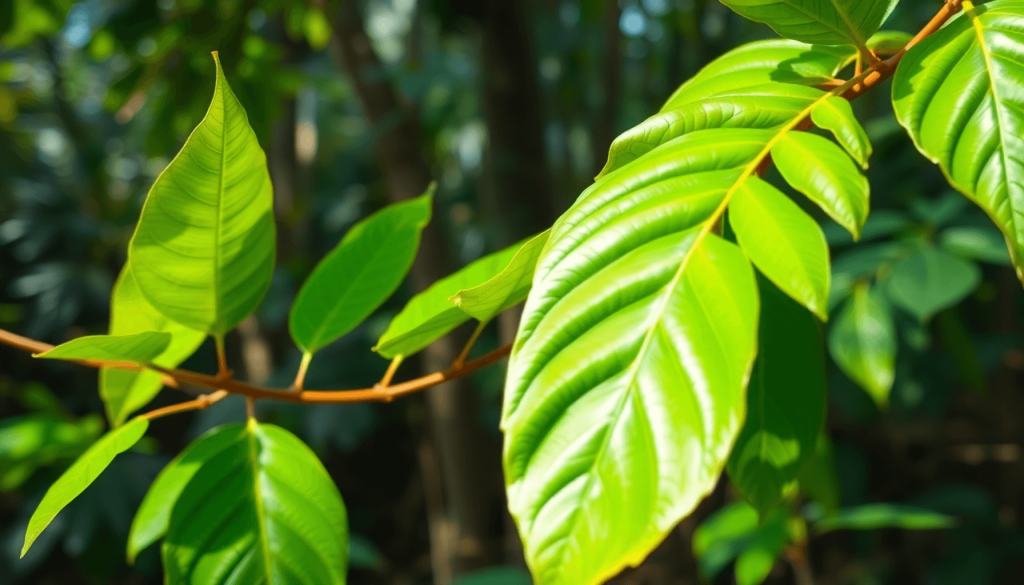
Nature’s Secret Ally: Exploring the Benefits of Indonesian Kratom introduces you to a remarkable natural plant native to the lush landscapes of Indonesia. Known locally for generations, Indonesian Kratom has long served as a traditional remedy among indigenous communities. Its leaves carry a legacy of use for alleviating discomfort, boosting stamina, and supporting mental clarity.
Interest in Indonesian Kratom is growing rapidly beyond its native borders. Wellness enthusiasts and advocates of alternative medicine increasingly recognize its potential to promote holistic health. The plant’s unique properties have sparked scientific curiosity and practical application alike.
This article dives deep into the diverse benefits of Indonesian Kratom, revealing why it is considered nature’s secret ally. You will discover how this botanical treasure offers not only pain relief and stress reduction but also energy enhancement, mood improvement, and more. Whether you are new to Kratom or looking to expand your knowledge, this exploration sheds light on its significance in both traditional practices and modern wellness trends.
The Origins of Indonesian Kratom
Kratom has a long history in Indonesia, going back many years. Indigenous tribes in Southeast Asia, especially in Indonesia, have used Kratom as a traditional medicine for different health issues and as part of their cultural rituals. They would either chew the leaves or make tea from them to experience the stimulating effects and relieve pain.
Cultural Significance of Kratom
Kratom is highly significant to local communities, representing strength and healing. It has served as a natural substitute for synthetic drugs in managing pain, increasing energy, and reducing stress.
Scientific Exploration of Kratom
Researchers are now beginning to investigate the potential advantages of Kratom through scientific studies, which aim to uncover its medicinal properties.
Environmental Importance of Kratom Conservation
Preserving Kratom trees is vital for maintaining biodiversity and ensuring sustainable access to this precious plant resource. There are ongoing efforts to strike a balance between the growing worldwide demand for Kratom and environmental conservation practices that protect the natural habitats where it flourishes.
Understanding Key Compounds in Kratom and Their Effects
Kratom contains several active compounds, with Mitragynine and 7-hydroxymitragynine standing out as the primary alkaloids responsible for its effects. These compounds interact with the body’s opioid receptors, influencing mood, energy levels, and pain perception.
The Role of Mitragynine
Mitragynine is the most abundant alkaloid found in kratom leaves. It acts on the central nervous system by binding to opioid receptors, which can result in analgesic (pain-relieving) and mood-enhancing effects. Its unique chemical structure allows it to behave differently from traditional opioids, often leading to stimulating effects at lower doses.
The Potency of 7-Hydroxymitragynine
7-hydroxymitragynine is present in smaller quantities but considered significantly more potent than mitragynine. This compound also targets opioid receptors but with higher affinity, contributing to stronger pain relief and relaxation effects.
How These Compounds Affect the Body
The interaction of these alkaloids with the body’s receptors modulates neurotransmitter release, influencing:
- Pain perception reduction
- Enhanced focus and alertness
- Stress relief and relaxation
- Mood elevation
Each strain of Indonesian kratom may have varying concentrations of these compounds, which explains differences in effects such as energizing versus calming properties. Understanding how mitragynine and 7-hydroxymitragynine work helps clarify why kratom has gained popularity as a natural alternative for managing discomfort and improving mental clarity.
Exploring the Benefits of Indonesian Kratom
Indonesian Kratom is known for its wide range of health benefits. Its use goes beyond traditional practices and has gained popularity for modern wellness applications.
1. Pain Relief and Stress Reduction
Kratom’s alkaloids interact with the body’s opioid receptors, providing effective natural pain relief. Many users report significant reduction in chronic pain symptoms without the harsh side effects associated with pharmaceutical options. The calming effect also helps alleviate stress, promoting a sense of tranquility and easing anxiety.
2. Energy Boost and Focus Improvement
Certain strains of Indonesian Kratom are valued for their stimulating properties. They can enhance energy levels and sharpen mental focus, making them popular among individuals needing sustained productivity or physical endurance throughout the day.
3. Addiction Recovery Support
Emerging evidence suggests Kratom may assist those recovering from opioid addiction by reducing withdrawal symptoms and cravings. Its ability to moderate mood swings and provide gentle sedation can support emotional balance during recovery phases.
4. Relaxation and Mood Improvement
Beyond physical benefits, Kratom contributes to emotional well-being. It promotes relaxation and improves mood by influencing neurotransmitters linked to happiness and calmness. This makes it a valuable natural option for managing mild anxiety and enhancing overall quality of life.
These diverse effects position Indonesian Kratom as a versatile plant with significant potential in alternative health care approaches.
Indonesia’s Role in the Global Kratom Industry
Indonesia plays a crucial role in the global Kratom industry. As the largest producer and exporter of Kratom worldwide, the country holds significant influence over the market. The economic impact of Kratom cultivation extends beyond commercial interests to rural communities and the agricultural economy.
Indonesia’s Status as the Top Producer and Exporter of Kratom Globally
Indonesia’s favorable climate and rich soil make it an ideal environment for Kratom cultivation. The country’s vast plantations contribute to its dominant position in the global market, supplying Kratom products to various regions around the world.
Economic Impact on Rural Communities and Agricultural Economy
The thriving Kratom industry provides employment opportunities for local communities, supporting livelihoods in rural areas where alternative sources of income may be limited. Additionally, revenue generated from Kratom cultivation contributes to the growth of Indonesia’s agricultural sector, bolstering the country’s overall economy.
Indonesia’s prominence in the Kratom industry underscores its significance in meeting global demand for this natural resource while simultaneously driving economic development at a grassroots level.
Legal Challenges and Regulatory Issues Surrounding Indonesian Kratom
The Indonesian Kratom industry faces significant legal challenges due to different regulations in various countries. While Indonesia remains the largest producer and exporter, many nations have imposed restrictions or outright bans on Kratom imports and sales. This inconsistent legal situation makes international trade more complicated and affects market stability.
Key regulatory issues include:
- Safety Concerns: Authorities often cite potential health risks related to unregulated Kratom products. Reports of adverse effects sometimes lead to calls for stricter controls.
- Misuse Potential: The psychoactive properties of compounds like mitragynine raise concerns about dependency and abuse. Some countries classify Kratom alongside controlled substances due to these risks.
- Quality Control: Lack of standardized testing and quality assurance increases the possibility of contamination or adulteration, further fueling regulatory scrutiny.
- Labeling and Marketing: Misleading claims about therapeutic benefits can attract regulatory penalties. Clear guidelines are needed to ensure truthful consumer information.
These issues have an impact beyond legal matters, shaping public opinion and industry practices. Stakeholders in Indonesia must carefully navigate this complex environment, finding a balance between following the rules and promoting safe, responsible use.
Finding ways to produce ethically and sustainably is crucial in tackling these challenges while still maintaining Indonesia’s important position in the global Kratom market.
Ensuring Ethical Production and Sustainability in the Kratom Industry
Commercialization of Indonesian Kratom requires a strong commitment to ethical production. You must prioritize fair labor practices that respect the rights and well-being of local farmers and workers who cultivate and harvest the plant. Fair compensation and safe working conditions are foundational to maintaining integrity within the industry.
Sustainability plays a critical role in preserving the natural environment where Kratom thrives. Unsustainable harvesting can lead to deforestation, soil degradation, and loss of biodiversity. Adopting sustainable harvesting methods ensures that Kratom trees continue to flourish without compromising the ecosystem. Techniques such as selective leaf picking rather than uprooting entire trees allow for regeneration and long-term productivity.
Key points for sustainable practices include:
- Promoting agroforestry systems that integrate Kratom cultivation with other native plants.
- Implementing community-based resource management to empower local stakeholders.
- Monitoring environmental impact regularly to prevent overharvesting.
- Educating farmers on best practices that balance economic benefits with ecological responsibility.
Ethical production combined with sustainable harvesting safeguards both the livelihood of communities and the future availability of this valuable botanical resource. Your choices as a consumer or business partner directly influence how well Nature’s Secret Ally continues to serve wellness markets worldwide.
The Future of Indonesian Kratom: Balancing Global Demand with Innovation and Responsibility
The global demand for Indonesian Kratom continues to surge as more people recognize its potential benefits in wellness and alternative medicine. Indonesia stands at the forefront of the global Kratom industry, supplying a significant portion of the market with high-quality products. This growing interest demands a strategic approach to meet consumer needs while maintaining ethical standards.
Key considerations for the future include:
- Innovation in product development: New formulations, delivery methods, and blends can enhance user experience and expand applications. This innovation must respect traditional uses while adapting to modern wellness trends.
- Responsible sourcing: Sustainable harvesting practices must be prioritized to protect natural Kratom resources. Ethical supply chains ensure long-term viability and support local communities reliant on Kratom cultivation.
- Quality assurance: Transparent testing and certification processes will build consumer trust globally, addressing safety concerns and regulatory challenges.
“Balancing growth with responsibility will define the next chapter for Indonesian Kratom,” emphasizing the need for a forward-thinking industry that honors both nature and culture.
Innovation paired with sustainable practices positions Indonesian Kratom not just as a natural remedy but as a model for responsible global trade in botanical products. You, as a consumer or stakeholder, can support this balance by choosing products committed to ethical sourcing and continuous improvement.
FAQs (Frequently Asked Questions)
Indonesian Kratom is a natural plant native to Indonesia, traditionally used for its wellness and alternative medicine benefits. Known as Nature’s Secret Ally, it offers diverse health advantages such as pain relief, stress reduction, and mood improvement.
The primary active compounds in Indonesian Kratom are Mitragynine and 7-hydroxymitragynine. These compounds interact with the body’s receptors to provide effects like pain relief, energy boost, relaxation, and support for addiction recovery.
Historically, Indonesian Kratom has been a natural remedy deeply rooted in local communities’ cultural practices. It has served as an alternative to synthetic pharmaceuticals for managing pain, boosting energy, and enhancing overall wellness.
Indonesia is the largest producer and exporter of Kratom worldwide. The industry significantly impacts rural communities and contributes to the agricultural economy, supporting sustainable livelihoods through ethical production practices.