
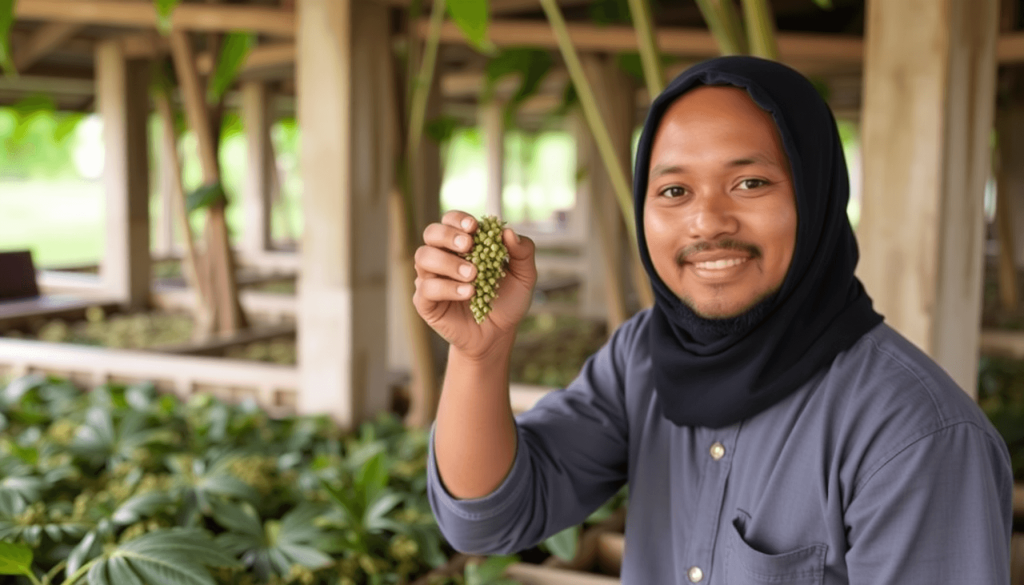
Kratom is a traditional plant with deep cultural and medicinal significance in Indonesia. This article explores Indonesia’s Kratom industry, highlighting its dedication to safety, sustainability, and success. We’ll delve into the plant’s origins, global demand, safety measures, sustainable practices, legal challenges, and innovative trends shaping this flourishing industry.
The Origins of Indonesian Kratom
Kratom has a long history in Indonesia, where it is grown in the country’s tropical rainforests. The plant is closely connected to the cultural and medicinal traditions of local communities.
1. Historical Background
Indonesian Kratom cultivation has been a longstanding tradition in the lush tropical rainforests of the region, where the plant thrives in the humid climate and fertile soil.
2. Traditional Uses
In rural Indonesia, Kratom has been used for generations for its versatile properties. It serves as a natural remedy for pain relief, energy enhancement, relaxation, and stress relief among community members.
3. Cultural Significance
Kratom holds a significant place in the cultural fabric of Indonesia, with rituals and ceremonies often incorporating its use for various purposes. Its medicinal value is respected and valued within these communities.
4. Medicinal Significance
Beyond cultural practices, Kratom plays a crucial role in providing relief to individuals in rural areas who lack access to modern healthcare facilities. Its affordability and accessibility make it a vital resource for many.
The cultivation of Kratom involves small-scale farmers who have relied on this crop as a means of income generation, contributing to poverty reduction and economic stability within these rural communities. This traditional plant not only sustains livelihoods but also preserves indigenous knowledge and practices that have been passed down through generations.
The Global Demand for Kratom: A Natural Remedy Revolution
The rising global interest in natural remedies and wellness products has propelled the demand for Kratom in modern markets. This tropical plant from Indonesia offers various benefits, making it a sought-after natural remedy:
- Pain Management: Kratom is increasingly used for its analgesic properties, offering a natural alternative for pain relief.
- Stress and Anxiety Relief: Its calming effects have made it popular for alleviating stress and anxiety in today’s fast-paced world.
- Energy and Focus Enhancement: Kratom is known to boost energy levels and enhance focus, catering to individuals seeking productivity and mental clarity.
Moreover, Kratom comes in various forms to suit different preferences:
- Powders: Versatile and easy to consume, Kratom powders are a popular choice for many users.
- Capsules: Convenient for precise dosing, capsules offer a simple way to incorporate Kratom into daily routines.
- Teas: Enjoyed for their soothing effects, Kratom teas provide a pleasant way to experience its benefits.
- Extracts: Concentrated forms of Kratom that offer potent effects, appealing to those looking for a more intense experience.
The diverse applications and forms of Kratom highlight its versatility as a natural remedy in the global market. As awareness of its benefits continues to grow, the demand for Kratom is expected to rise further, shaping its position as a key player in the wellness industry.
Ensuring Safety in the Kratom Industry: Addressing Concerns and Setting Standards
Safety concerns remain a central topic when discussing the kratom industry. Risks associated with overuse and potential addiction have raised questions about how kratom should be consumed responsibly. Understanding proper dosages is crucial—not only to maximize benefits such as pain relief and energy enhancement but also to minimize adverse effects.
The Importance of Responsible Consumption
Responsible consumption depends heavily on clear guidance and education. Consumers must be informed about the potency of different kratom strains and the appropriate serving sizes. Without this knowledge, misuse can occur, undermining both individual health and the integrity of the industry.
The Role of Regulation in Ensuring Safety
Regulation plays a vital role in ensuring product quality and consumer safety. Governments and industry bodies are working toward establishing frameworks that enforce rigorous testing, labeling accuracy, and contamination controls. These measures protect consumers from adulterated or substandard products while fostering trust in kratom as a natural resource.
Indonesian Producers Taking Responsibility
Indonesian producers recognize their responsibility in this landscape. Many have adopted international safety standards, including Good Manufacturing Practices (GMP) certified by organizations like the American Kratom Association (AKA). Such certifications demand:
- Comprehensive sourcing protocols
- Advanced manufacturing processes
- Thorough chemical testing for purity and alkaloid content
- Full traceability from farm to final product
These efforts demonstrate a commitment to producing kratom that is safe, sustainable, and successful—reflecting Indonesia’s leadership in managing its natural resources ethically. By maintaining strict quality standards, Indonesian kratom companies aim to meet global expectations while protecting consumers worldwide.
Sustainable Practices in Indonesian Kratom Farming: Balancing Economic Growth with Environmental Conservation
Indonesia’s kratom industry prioritizes sustainable farming practices to protect its rich tropical ecosystems. Farmers implement methods designed to minimize environmental impact, focusing on soil health, biodiversity preservation, and water conservation. These efforts play a crucial role in deforestation prevention, ensuring that kratom cultivation does not contribute to the loss of Indonesia’s vital rainforests.
Key elements of sustainable farming include:
- Agroforestry systems that integrate kratom trees with other native plants, promoting biodiversity and reducing the need for chemical inputs.
- Use of organic fertilizers and natural pest control methods that prevent soil degradation and pollution.
- Careful land management planning to avoid overharvesting and maintain long-term soil fertility.
The economic impact of these practices is significant for rural communities. Smallholder farmers benefit from empowerment programs that enhance their farming skills and market access. This leads to:
- Increased job creation in agricultural and processing sectors.
- Steady income generation that supports local families and reduces poverty.
- Strengthening of rural economies through fair trade partnerships and direct export opportunities.
Indonesian kratom farming demonstrates how environmental conservation initiatives can coexist with economic development, creating a model where both nature and communities thrive.
Overcoming Legal Challenges and Misconceptions Surrounding the Kratom Industry: A Path Forward for Indonesia’s Global Leadership Role
Indonesia’s kratom producers face significant legal challenges in global markets due to varying regulatory statuses. Countries like the United States, parts of Europe, and others have inconsistent laws that complicate export and import processes. These legal hurdles affect market access and create uncertainty for producers and buyers alike. The lack of a unified international framework means Indonesian exporters must navigate complex compliance requirements, which can increase costs and limit growth opportunities.
Misconceptions Contributing to Stigma
Misconceptions contribute heavily to the stigma surrounding kratom. Many associate it solely with misuse or addiction risks, overlooking its traditional uses and potential health benefits when consumed responsibly. This stigma often leads to overregulation or outright bans, hampering industry development. Dispelling these myths requires clear scientific communication backed by research on safety, responsible use, and quality assurance.
Key Strategies for Overcoming Obstacles
Key strategies for overcoming these obstacles include:
- Advocating for evidence-based policies that differentiate kratom from harmful substances.
- Promoting transparency through rigorous testing and certification programs.
- Engaging with international regulatory bodies to harmonize standards.
- Educating consumers and policymakers about kratom’s cultural heritage and responsible consumption.
Indonesia’s leadership role depends on addressing these legal challenges head-on while actively dismantling misconceptions. Doing so will strengthen its position as a reputable global supplier of safe, sustainable kratom products.
Innovation and Collaboration: Shaping the Future of Indonesia’s Kratom Industry as a Global Leader
Innovation driving advancements within the kratom industry plays a critical role in positioning Indonesia as a safe, sustainable, and successful global leader. Extraction technology has evolved significantly, allowing producers to create high-quality kratom extracts with enhanced potency and purity. Techniques such as supercritical CO2 extraction and advanced solvent methods improve the efficiency of isolating active alkaloids like mitragynine while minimizing contaminants. These innovations not only boost product consistency but also meet rising global consumer expectations for safety and efficacy.
Collaboration among Indonesian producers, international organizations, and industry stakeholders strengthens efforts to establish global standards for ethically produced kratom extracts. Partnerships focus on harmonizing quality control protocols, ensuring traceability throughout the supply chain, and promoting fair trade practices that support smallholder farmers. This collective approach addresses challenges such as adulteration and regulatory ambiguity by fostering transparency and accountability.
Key elements driving this collaborative innovation include:
- Development of standardized testing methods validated by third-party laboratories
- Implementation of Good Manufacturing Practice (GMP) certifications tailored to kratom products
- Sharing research on sustainable farming techniques linked to extract quality improvements
Indonesia’s ability to combine cutting-edge extraction technology with cooperative frameworks sets the stage for long-term leadership in an increasingly competitive global market. The ongoing commitment to innovation and collaboration ensures that Indonesian kratom extracts remain synonymous with safety, sustainability, and success.
Conclusion
Indonesia’s kratom industry is a great example of being Safe, Sustainable, and Successful: Indonesia’s Kratom Industry in the Spotlight. The strict safety measures implemented by Indonesian producers ensure quality control at every stage of the supply chain. These efforts instill confidence in kratom-based products that meet international standards for purity and effectiveness.
You play a crucial role as a consumer by:
- Choosing responsibly sourced kratom from trusted Indonesian suppliers
- Supporting sustainable farming practices that protect the environment and empower rural communities
- Staying informed about recommended dosages to promote safe use
- Recognizing potential risks associated with kratom consumption and using it responsibly
By prioritizing ethically produced kratom, you contribute to advancing a global market that values safety, sustainability, and fairness. Embracing Indonesia’s commitment encourages continued innovation and sets a benchmark for the natural supplement industry worldwide.
FAQs (Frequently Asked Questions)
What is the historical significance of Kratom cultivation in Indonesia?
Kratom has deep roots in Indonesia’s tropical rainforests, where it has been traditionally used by rural communities for pain relief, energy enhancement, relaxation, and stress relief. Its cultivation supports small-scale farmers and contributes to poverty reduction in these areas.
Why is Indonesia considered a global leader in the Kratom industry?
Indonesia is the world’s largest producer and exporter of Kratom, focusing on safe, sustainable, and successful farming practices. The country’s commitment to quality control, environmental conservation, and innovation positions it as a global leader in the Kratom market.
What measures are taken to ensure safety and quality in Indonesian Kratom products?
Indonesian producers address safety concerns by promoting responsible consumption, adhering to proper dosage guidelines, and implementing strict quality standards. Regulatory efforts and compliance with international safety protocols help ensure consumer safety throughout the supply chain.
How does Indonesian Kratom farming promote sustainability and environmental conservation?
Sustainable farming practices in Indonesia aim to prevent deforestation and environmental degradation. These initiatives empower smallholder farmers, create jobs, generate income, and support economic growth while balancing ecological preservation.
What legal challenges does the Indonesian Kratom industry face globally?
The industry encounters regulatory uncertainties and misconceptions surrounding Kratom’s legal status in various countries. Indonesian producers actively work to overcome these challenges by dispelling stigma and advocating for clear regulations that support ethical production and trade.
How is innovation shaping the future of Indonesia’s Kratom industry?
Advancements in extraction technology and collaborative efforts among stakeholders are driving innovation within the industry. These developments help establish global standards for ethically produced Kratom extracts, reinforcing Indonesia’s role as a pioneering leader in the market.