
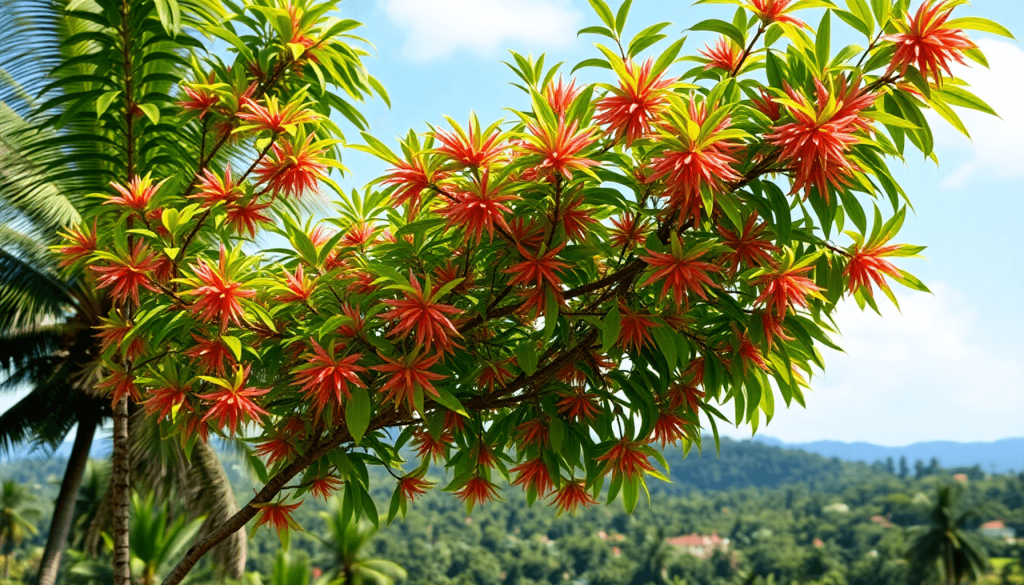
Moringa, often referred to as Indonesia’s “Miracle Tree,” has gained worldwide recognition as a superfood.
With its growing popularity, it’s essential to delve into the scientific evidence behind Moringa’s claims and distinguish between fact and fiction.
The Origins and Traditional Uses of Moringa
Historical Background of Moringa Cultivation in Indonesia
Moringa cultivation in Indonesia dates back centuries, where it has been an integral part of traditional agriculture and local diets. The tree’s ability to thrive in various climates and its nutrient-rich leaves made it a valuable resource for rural communities.
Multifaceted Traditional Applications of Moringa
Exploring the multifaceted traditional applications of Moringa reveals its versatility in food preparation, medicinal remedies, and cultural ceremonies within Indonesian rural communities. It is commonly used as an ingredient in dishes such as soups and curries, while also serving as a natural remedy for various ailments.
Cultural Significance of Moringa in Indonesia
The cultural significance of Moringa is deeply rooted in Indonesian heritage, symbolizing resilience, health, and sustainability through generations. It is often associated with traditional practices and beliefs that promote harmony with nature.
Moringa’s Role in Reforestation Efforts
Beyond its nutritional and medicinal values, Moringa plays a vital role in reforestation efforts due to its fast-growing nature and adaptability to diverse ecological conditions. Its planting can contribute to restoring degraded land and improving biodiversity.
Moringa’s Growing Recognition in the Global Market
As Moringa gains recognition in the global market for its myriad benefits, its traditional uses continue to inspire new innovations and opportunities for sustainable practices. This includes the development of organic farming methods and eco-friendly products derived from Moringa.
Nutritional Profile of Moringa
Moringa’s exceptional nutrition makes it a powerhouse among superfoods. Its leaves are notably rich in:
1. Vitamins
- Vitamin A (beta-carotene) supports immune function and maintains healthy vision and skin.
- Vitamin C enhances antioxidant defenses and aids collagen synthesis, promoting skin vitality.
- Vitamin E acts as a potent antioxidant protecting cells from oxidative damage.
2. Minerals
- Iron plays a critical role in oxygen transport and energy metabolism, helping combat anemia.
- Calcium is essential for bone strength and nerve signaling.
- Potassium regulates fluid balance and supports cardiovascular health.
3. Antioxidants and Amino Acids
Moringa contains flavonoids, polyphenols, and other antioxidants that neutralize free radicals, reducing cellular stress and inflammation. Its profile includes essential amino acids necessary for protein synthesis, tissue repair, and energy production.
Moringa’s dense nutrient makeup addresses common deficiencies especially in regions with limited dietary diversity. The presence of bioavailable vitamins and minerals helps prevent malnutrition-related conditions while boosting overall wellness. Protein content from the leaves provides an important plant-based source to sustain energy levels. This combination of nutrients positions Moringa as a natural supplement supporting immune resilience, skin health, metabolic functions, and cellular regeneration—critical areas for maintaining long-term health.
Scientific Studies on Moringa’s Health Benefits
Scientific research on Moringa has revealed its incredible health benefits, confirming its status as a superfood. Key studies have shown the following:
1. Combating Malnutrition
Moringa’s rich nutritional profile makes it a valuable resource in combating malnutrition and addressing nutrient deficiencies, especially in resource-limited regions where access to diverse foods is limited.
2. Boosting Immunity
The anti-inflammatory properties of Moringa contribute to enhancing immunity and energy levels, offering a natural way to support overall health and well-being.
3. Maternal and Child Health Support
Research indicates that Moringa can play a significant role in supporting maternal health during pregnancy and lactation, as well as promoting optimal growth and development in children.
These scientific findings not only confirm the traditional uses of Moringa but also create new opportunities for its use in modern healthcare practices. The abundance of evidence supporting its health benefits highlights the need for further investigation into the potential healing properties of Indonesia’s “Miracle Tree.”
Exploring Other Potential Benefits of Moringa: Digestion, Skin Health, and More
Moringa offers a wide range of health benefits, and recent research suggests that it may also have positive effects on digestion and skin health. Let’s delve into these areas to uncover the potential advantages of incorporating Moringa into your daily routine.
Moringa and Digestive Health
Preliminary studies indicate that Moringa may play a role in promoting healthy digestion and maintaining a balanced gut microbiota. The gut microbiota consists of trillions of microorganisms residing in our intestines, influencing various aspects of our health, including digestion, immunity, and even mental well-being.
While more research is needed to fully understand the mechanisms behind Moringa’s impact on gut health, its rich nutrient profile suggests it could support digestive function. Moringa is known for its high fiber content, which can aid in regular bowel movements and prevent constipation. Additionally, certain compounds found in Moringa may possess prebiotic properties, nourishing beneficial gut bacteria.
Moringa’s Potential Benefits for Skincare
In addition to its digestive benefits, Moringa’s antioxidant properties make it an intriguing ingredient for skincare products. Antioxidants help combat free radicals—unstable molecules that can damage skin cells and contribute to aging.
Several studies have shown that topical application of Moringa oil or extracts can improve skin hydration, elasticity, and overall appearance. These effects are likely attributed to the presence of antioxidants such as quercetin and vitamin C in Moringa.
While further research is necessary to establish the efficacy of Moringa in skincare formulations definitively, its long history of traditional use and preliminary findings are promising.
Incorporating Moringa into your diet through smoothies or teas can provide internal support for digestion and skin health. Additionally, using skincare products infused with Moringa extract may offer external benefits.
As always, it’s essential to consult with a healthcare professional or dermatologist before making significant changes to your diet or skincare routine.
Sustainability Aspects of Moringa Cultivation: A Double-Edged Sword?
Moringa cultivation has gained popularity as a sustainable agricultural practice, but it is essential to examine its sustainability aspects critically. While Moringa farming can offer several environmental benefits, such as promoting biodiversity and reducing soil erosion, it also raises concerns about large-scale farming practices.
The Environmental Impact of Large-Scale Moringa Farming
One significant concern regarding Moringa cultivation is the potential for deforestation caused by large-scale farming operations. As demand for Moringa products grows, there is a risk that forests may be cleared to make way for extensive plantations. Deforestation not only contributes to climate change but also threatens various ecosystems and wildlife habitats.
It is crucial to strike a balance between meeting the demand for Moringa and preserving our natural resources. Sustainable farming practices, such as agroforestry and organic cultivation methods, can play a vital role in mitigating the negative environmental impacts associated with large-scale agriculture.
Benefits for Small-Scale Farmers
On the other hand, Moringa cultivation holds great promise for small-scale farmers. By diversifying their crops and incorporating Moringa into their agricultural practices, these farmers can enhance their economic resilience and food security.
Moringa is known for its nutritional value and potential market demand, making it an attractive option for smallholder farmers seeking additional income sources. Furthermore, growing Moringa alongside other crops can improve soil fertility and overall farm productivity.
As we explore the sustainability aspects of Moringa cultivation, it is essential to consider both the potential risks associated with large-scale farming practices and the opportunities it presents for small-scale farmers.
Navigating the Global Market: From Misconceptions to Innovation with Moringa Products
Moringa’s rise as a superfood in global wellness trends has sparked a variety of product forms, leading to several misconceptions you should be aware of:
1. Powders vs. Teas
Moringa leaf powder contains concentrated nutrients and antioxidants, making it ideal for boosting daily intake. Teas, while convenient, often have lower nutrient density due to steeping processes that extract only water-soluble compounds.
2. Oils vs. Capsules
Moringa oil is prized for skincare and culinary uses because of its fatty acid profile and antioxidant content. Capsules typically contain dried leaf powder or extracts aimed at delivering systemic health benefits more efficiently.
Understanding these differences helps you choose products aligned with your health goals rather than simply following hype.
Innovation in plant-based products is accelerating within the Moringa market. Companies are blending traditional knowledge with modern science to create novel formulations such as:
- Functional beverages combining Moringa with adaptogens or probiotics.
- Skincare lines leveraging Moringa’s antioxidant and anti-inflammatory properties.
- Nutraceuticals targeting specific needs like maternal health or metabolic support.
These developments reflect a shift beyond the hype, emphasizing evidence-based benefits supported by scientific insights into Indonesia’s miracle tree. Staying informed empowers you to navigate this expanding market confidently and make choices backed by authenticity and transparency.
FAQs (Frequently Asked Questions)
Moringa is hailed as Indonesia’s “Miracle Tree” due to its exceptional nutritional profile and adaptability. It is drought-resistant, enriches soil, and offers a rich source of vitamins (A, C, E), minerals (iron, calcium, potassium), antioxidants, proteins, and amino acids. These qualities contribute to its reputation as a superfood with wide-ranging health benefits.
In Indonesia, Moringa has a rich history of traditional use in food, medicine, and local remedies. It holds cultural significance in rural communities where it supports medicinal practices, contributes to reforestation efforts, and serves as a nutritional resource. These traditional applications have helped sustain its cultivation and importance over generations.
Scientific studies validate Moringa’s effectiveness in combating malnutrition and nutrient deficiencies. Research highlights its role in boosting immunity, providing anti-inflammatory effects, supporting maternal and child health, and offering anti-aging properties. These insights help separate fact from fiction regarding Moringa’s health claims.
Preliminary research suggests that Moringa promotes healthy digestion by supporting gut microbiota balance. Additionally, its antioxidant properties make it a promising ingredient in skincare products aimed at enhancing skin health and preventing oxidative damage.