
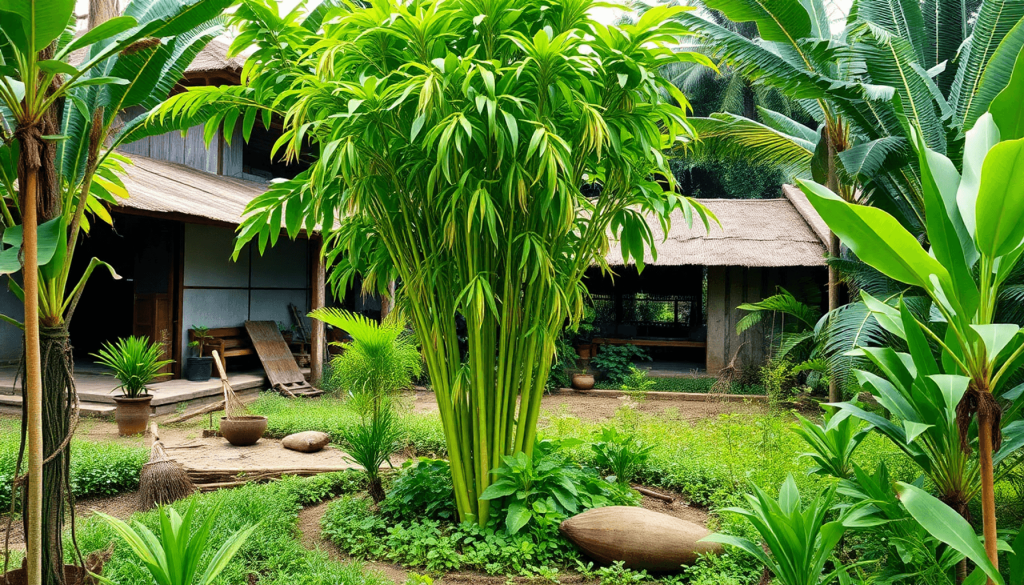
Moringa is a versatile superfood with significant health benefits, known for its ability to enhance well-being and vitality. It has a profound impact on health, livelihoods, and sustainability, with the potential to transform communities and ecosystems for the better.
Moringa’s Origins: A Staple of Village Gardens
Moringa cultivation traces back to Indonesia, where it has deep roots in the country’s agricultural heritage. The tropical climate and fertile soil provide an ideal environment for Moringa trees to thrive, leading to its widespread presence in Indonesian village gardens.
The Cultural Significance of Moringa
Revered as the “Tree of Life” among rural communities, Moringa holds a special place in local cultures for its multifaceted benefits. The leaves, seeds, and flowers of the Moringa tree are utilized for various purposes, from culinary uses to medicinal applications.
Sustainable Practices in Moringa Cultivation
In addition to its nutritional value, Moringa is a versatile resource for producing oils used in skincare products. This holistic approach to utilizing the different parts of the tree showcases the sustainable practices embedded in traditional Moringa cultivation methods.
Economic and Environmental Impact
The integration of Moringa into local farming practices not only enhances food security but also contributes to rural development. By promoting eco-friendly agriculture techniques, Moringa cultivation aligns with efforts to combat climate change and promote biodiversity conservation.
Commitment to Quality
Furthermore, Moringa cultivation in Indonesia adheres to high-quality standards, ensuring that products derived from this miracle tree meet stringent criteria for purity and efficacy. This commitment to quality underscores the importance of preserving Moringa’s heritage while embracing modern advancements in agriculture and sustainability practices.
A Nutritional Powerhouse: The Global Appeal of Moringa
Moringa stands out as a remarkable source of essential nutrients, making it a highly sought-after superfood worldwide. Its leaves are rich in vitamins A, C, and E, which play crucial roles in vision, immune function, and skin health. Alongside vitamins, Moringa provides significant levels of minerals such as iron, calcium, and potassium—elements vital for blood health, bone strength, and cardiovascular function.
The presence of antioxidants in Moringa enhances its ability to neutralize harmful free radicals in the body. These antioxidants contribute to reducing oxidative stress linked to chronic diseases. Additionally, the tree’s leaves contain all nine essential amino acids, supporting tissue repair and muscle growth.
Health benefits from incorporating Moringa into diets have been observed across various demographics:
- Combating malnutrition: In regions suffering from nutrient deficiencies, Moringa’s dense nutrient profile helps address gaps, especially for vulnerable groups like children.
- Boosting immunity: Vitamins and antioxidants synergize to enhance the body’s defense against infections.
- Supporting maternal and child health: Folate and iron content support pregnancy health by reducing anemia risks and promoting fetal development.
- Anti-inflammatory properties: Bioactive compounds in Moringa help reduce inflammation associated with conditions such as arthritis.
- Anti-aging effects: Vitamin E and other antioxidants contribute to maintaining youthful skin and overall cellular health.
Scientific research validates many of these claims. Studies published in journals like Phytotherapy Research and Nutrients confirm Moringa’s positive impact on immune modulation, blood sugar regulation, and lipid profiles. Trials conducted by institutions including UC Davis highlight its efficacy in improving nutritional outcomes when integrated into local diets.
The global market recognizes Moringa not just as a traditional remedy but as a scientifically supported superfood. This recognition drives demand for supplements, powders, teas, and other products derived from this nutrient-rich plant.
From Village Gardens to Global Demand
Moringa’s journey from local village gardens to global tables is a testament to its rising popularity and demand worldwide.
Key Factors Contributing to Moringa’s Global Success
Here are some key points that explain this transition:
- Cultivation Process: Moringa cultivation involves meticulous care from planting to harvesting, ensuring the highest quality leaves and seeds for export.
- Transition to Global Markets: Over time, Moringa has transcended its origins in village gardens to become a sought-after commodity in international markets due to its nutritional value and health benefits.
- Product Diversification: The versatility of Moringa has led to the creation of a wide array of products such as supplements, teas, and beauty products that cater to different consumer preferences.
This transition highlights the adaptability and market appeal of Moringa as it continues to make waves in the global health and wellness industry.
Driving Sustainability: Innovations in Moringa Farming
Moringa stands out as a sustainable crop with unique agricultural traits that benefit both farmers and the environment. Its natural drought resistance allows cultivation in arid and semi-arid regions where water scarcity limits other crops. This resilience reduces the need for intensive irrigation, conserving precious water resources and making moringa an ideal choice for climate-stressed areas.
The tree’s roots and leaf litter contribute significantly to soil enrichment. Moringa improves soil fertility by fixing nitrogen and adding organic matter when pruned leaves decompose. Farmers often use moringa as a green manure or intercropped plant, enhancing soil quality without chemical fertilizers. This practice supports long-term land productivity and helps prevent soil degradation.
Communities and organizations have embraced moringa in reforestation efforts aimed at combating deforestation. Planting moringa trees helps restore degraded landscapes while providing economic value through leaves and seeds. Its fast growth rate accelerates forest regeneration, stabilizes soils, and enhances biodiversity. These projects also create carbon sinks, contributing to climate change mitigation.
Examples of such initiatives include community-led agroforestry programs in eastern Africa where moringa is integrated into mixed tree plantations. These projects help rehabilitate deforested areas while generating income streams for smallholder farmers through sustainable harvesting of moringa products.
Benefits of Innovations in Moringa Farming
- Drought tolerance minimizes risk during dry seasons
- Soil enhancement lowers reliance on synthetic inputs
- Reforestation with moringa restores ecosystems and livelihoods
Innovations in moringa farming embrace ecological principles, positioning this versatile tree not only as a superfood but also as a vital agent for sustainable agriculture and environmental restoration.
Empowering Communities: Economic Opportunities and Ethical Practices
Moringa cultivation plays a significant role in empowering communities, particularly small-scale farmers, by offering economic opportunities and fostering sustainable growth. Through the cultivation and commercialization of Moringa, local farmers can improve their livelihoods and contribute to the economic development of their communities.
Economic Opportunities for Small-Scale Farmers
Small-scale farmers involved in Moringa cultivation not only benefit from a stable income source but also have the opportunity to engage in sustainable agricultural practices. By growing Moringa, these farmers can diversify their crop production, reduce their dependency on single crops, and enhance their resilience to market fluctuations.
The Importance of Ethical Practices in Sustainable Growth
Moreover, ethical practices are essential for ensuring the long-term sustainability of the Moringa industry. Ethical considerations involve fair wages for workers, environmentally friendly farming methods, and community engagement. By upholding ethical standards in Moringa production, stakeholders can preserve the natural environment, support local communities, and maintain the integrity of the supply chain.
In essence, the economic opportunities provided by Moringa cultivation go hand in hand with ethical practices to promote sustainable growth within the industry. By empowering small-scale farmers and prioritizing ethical standards, the Moringa sector can continue to thrive while benefiting both local communities and global consumers.
Conclusion
The journey of Moringa from humble village gardens to prominent spots on global tables is a powerful success story in both nutrition and economic empowerment. This “miracle tree” has transformed lives by addressing malnutrition and creating sustainable livelihoods for rural communities worldwide.
Key points underscore the importance of:
- Sustaining traditional cultivation practices that honor Moringa’s origins.
- Expanding government support to incorporate Moringa into national and international food security strategies.
- Promoting ethical and sustainable growth to ensure long-term benefits for farmers and consumers alike.
From Village Gardens to Global Tables: The Moringa Success Story illustrates how a versatile superfood can connect local heritage with global health needs. Governments play a critical role in scaling these success stories, enabling Moringa to thrive as a vital resource for nutrition while preserving its roots in village gardens.
FAQs (Frequently Asked Questions)
Moringa is a versatile superfood known for its exceptional nutritional profile, including vitamins A, C, E, minerals like iron, calcium, potassium, antioxidants, and essential amino acids. It offers significant health benefits such as combating malnutrition, boosting immunity, supporting maternal and child health, and possesses anti-inflammatory and anti-aging properties.
Moringa has its origins in Indonesia where it has been cultivated historically in village gardens. It is revered as the ‘Tree of Life’ among rural communities due to its wide-ranging uses including oils for skincare, its role in rural development, eco-friendly agriculture practices, and contributions to climate change mitigation through sustainable cultivation.
Moringa has its origins in Indonesia where it has been cultivated historically in village gardens. It is revered as the ‘Tree of Life’ among rural communities due to its wide-ranging uses including oils for skincare, its role in rural development, eco-friendly agriculture practices, and contributions to climate change mitigation through sustainable cultivation.
Moringa farming promotes sustainability by utilizing drought-resistant crops that enrich soil quality. Initiatives involving Moringa trees support reforestation efforts aimed at combating deforestation. These eco-friendly agricultural practices make Moringa a sustainable crop choice benefiting both the environment and local communities.