
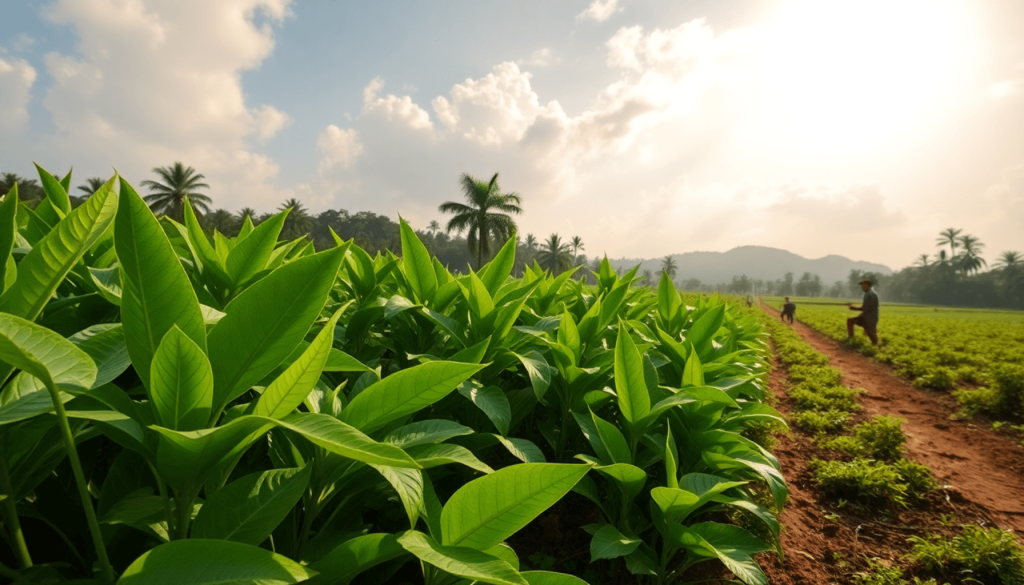
Kratom, a traditional plant in Indonesia, has gained global recognition for its diverse uses. From pain relief to mood enhancement, Kratom extracts are now a staple in the natural supplement industry. This article delves into Indonesia’s pivotal role in this burgeoning market.
Exploring Kratom
- Traditional Roots: Kratom has been a part of Indonesian culture for centuries, valued for its medicinal properties.
- Global Appeal: The rise in demand for Kratom extracts internationally showcases its widespread popularity.
Indonesian Influence
- Booming Industry: Indonesia stands at the forefront of the Kratom trade, shaping trends and standards worldwide.
The Historical Roots of Kratom in Indonesia
Kratom cultivation in Indonesia dates back centuries, deeply rooted in the agricultural and cultural fabric of rural communities. Traditionally, Kratom leaves were harvested by local farmers who recognized their unique properties for nutrition and medicinal use. Indigenous knowledge passed down through generations emphasized Kratom’s role not just as a crop but as a source of essential vitamins, minerals, antioxidants, and amino acids. These nutrients contribute to its reputation as a natural supplement rich in protein and other health-boosting compounds.
Nutritional and Medicinal Uses
Local farmers have long understood the value of Kratom beyond its economic potential. They have utilized the leaves for various purposes, including:
- Nutritional support: The leaves are consumed for their nutrient content, providing essential vitamins and minerals to promote overall health.
- Natural remedy: Kratom has been used traditionally to alleviate ailments such as pain, fatigue, and digestive issues.
- Boosting productivity: Some communities have relied on Kratom as a natural stimulant to enhance work performance during physically demanding tasks.
Cultural Significance
In Indonesian culture, Kratom holds significance beyond its nutritional value. It has been used in ceremonies, social gatherings, and as a remedy for fatigue or pain relief after long days of labor. The plant’s resilience and ease of cultivation made it accessible to a wide range of communities, establishing it as a staple in traditional medicine cabinets.
Regional Variations
Local uses varied by region—some communities brewed Kratom leaves into teas, while others chewed fresh leaves or dried them into powders. This diversity in application reflected an intimate relationship between the people and the plant. The cultural respect for Kratom intertwined with practical benefits, creating a sustainable tradition that supported both health and livelihoods across Indonesia’s varied landscapes.
Understanding the Chemistry: Active Compounds in Kratom and Their Effects
Kratom leaves contain two primary active compounds known as Mitragynine and 7-hydroxymitragynine, both classified as alkaloids. These compounds play crucial roles in the effects Kratom has on the human body:
1. Mitragynine
This alkaloid is responsible for providing pain relief, making it a valuable natural alternative for managing chronic pain conditions. It interacts with opioid receptors in the brain to alleviate discomfort without causing respiratory depression, a common side effect of traditional opioids.
2. 7-hydroxymitragynine
Another potent alkaloid in Kratom, 7-hydroxymitragynine contributes to mood enhancement and can act as a sedative. Its effects can help reduce anxiety and promote relaxation, making it popular among individuals seeking stress relief or mood stabilization.
These active compounds not only offer therapeutic benefits but also have the potential to address issues related to malnutrition, immunity support, maternal health, child health, and anti-inflammatory properties. The diverse effects of Mitragynine and 7-hydroxymitragynine make Kratom a versatile botanical with applications beyond traditional medicine practices.
From Traditional Use to Modern Formulations: The Evolution of Kratom Products
Kratom products have undergone a remarkable transformation over the years, adapting to meet the demands of a global market:
1. Evolution of Kratom Extracts
- Concentrated extracts have emerged as a popular choice among consumers seeking potent and convenient options.
- These extracts are known for their high alkaloid content, providing enhanced effects compared to traditional forms.
2. Variety of Forms
- Powders: Kratom powders remain a staple in the industry, offering versatility in consumption methods such as brewing teas or mixing with foods.
- Capsules: Encapsulated Kratom provides a convenient and discreet way to consume the herb, appealing to users looking for precise dosing and portability.
The shift towards concentrated extracts and diverse product forms reflects the dynamic nature of the Kratom market, catering to a wide range of preferences and needs. As Indonesian Moringa has transitioned from local traditions to global prominence, its success story parallels the evolution of Kratom products in meeting changing consumer demands.
Navigating Quality Control Challenges in the Global Kratom Market
Quality control challenges are common in the global Kratom market, posing risks to consumers. Here are some tips to help you navigate these issues and ensure a safe and reliable purchase:
1. Be Cautious of Contaminants and Adulteration
Be careful with products that may have impurities or unwanted substances. Look for suppliers who conduct thorough testing for contaminants like heavy metals, bacteria, and mold.
2. Verify the Authenticity of Supplements and Skincare Products
Check the authenticity of Kratom products labeled as supplements or skincare items. Make sure they meet regulatory standards for safety and effectiveness.
3. Support Brands that Promote Fair Trade Practices
Support brands that promote fair trade practices and contribute to the well-being of rural communities where Kratom is sourced. Ethical sourcing can create jobs and increase income for local farmers.
4. Choose Drought-Resistant Varieties for Sustainability
Opt for Kratom products made from drought-resistant varieties, as they are likely to be more sustainable and environmentally friendly.
By being vigilant about product quality and sourcing practices, you can make informed decisions when purchasing Kratom products internationally. Prioritize transparency, ethical sourcing, and adherence to quality standards to protect your health and support responsible supply chains.
Regulatory Landscape Surrounding Indonesian Kratom Exports
The legal status of Kratom varies significantly across the globe, affecting Indonesian exporters in complex ways. Some countries have embraced Kratom as a legal botanical product, allowing imports for health and wellness markets. Others have imposed strict bans due to concerns about safety and potential misuse. This patchwork of regulations creates challenges for Indonesian producers seeking stable access to international markets.
Key points influencing exporters include:
- Import restrictions: Nations like the United States allow Kratom but regulate its sale through quality and labeling standards. In contrast, countries such as Australia and several European states classify Kratom as a controlled substance, making exports impossible without legal exceptions.
- Certification demands: Increasingly, buyers require proof of sustainable cultivation practices linked to environmental benefits like soil enrichment and responsible management to prevent deforestation. Indonesian suppliers invest in certifications that highlight both product quality and commitment to ecological stewardship.
- Innovation incentives: Exporters adapting to these regulatory frameworks often innovate by developing health-focused formulations that meet specific market criteria, enhancing sustainability claims alongside product efficacy.
- Sustainability considerations: Balancing profitability with environmental responsibility remains vital. Indonesian Kratom producers emphasize their role in promoting reforestation efforts, which align with global sustainability goals and improve their export appeal.
Understanding these dynamics helps Indonesian farmers and businesses navigate complex global markets while sustaining the industry’s growth.
Sustainable Harvesting Practices: Balancing Profitability with Environmental Conservation Efforts
Sustainable harvesting practices are vital for maintaining the long-term viability of Indonesia’s Kratom industry. Unsustainable methods can lead to deforestation, soil degradation, and loss of biodiversity, threatening both the environment and local livelihoods. The balance between economic empowerment and environmental conservation ensures that communities continue to benefit from Kratom cultivation without exhausting natural resources.
Why Sustainable Practices Matter
Key reasons why sustainable practices matter:
- Protecting forest ecosystems: Kratom trees are part of complex forest systems that regulate water cycles and support wildlife. Unsustainable harvesting disrupts these functions.
- Preserving soil health: Responsible harvesting techniques prevent soil erosion and maintain nutrient levels essential for future crops.
- Long-term economic stability: Farmers relying on sustainable methods secure steady income by avoiding boom-and-bust cycles caused by resource depletion.
Initiatives Promoting Ethical Practices
Several initiatives have emerged in Indonesia to promote ethical practices aligned with global demand for sustainable products. These include:
- Community-based forest management programs encouraging selective harvesting rather than clear-cutting.
- Training farmers on agroforestry techniques that integrate Kratom cultivation with other native plants, enhancing biodiversity.
- Certification schemes that verify environmental standards, helping Indonesian exporters access premium markets.
Efforts to combine profitability with conservation reflect a growing awareness within the industry. This approach mirrors successful models seen in other sectors where economic growth does not come at the expense of the environment, making Indonesia’s Kratom a product rooted in responsibility as much as tradition.
The Future Outlook: Opportunities and Challenges Ahead for Indonesian Farmers in the Global Market
Opportunities
- Market Demand: The increasing awareness of the nutritional benefits of Moringa is driving a surge in market demand for Indonesian-grown products.
- Small-Scale Farmers’ Advantage: As Indonesian Moringa gains traction in the global market, small-scale farmers have an opportunity to capitalize on this demand.
Challenges
- Regulatory Barriers: Stricter regulations on exports or changes in legal frameworks could pose challenges for Indonesian farmers looking to expand their reach in the global market.
- Competition from Other Countries: With the rising popularity of superfoods, Indonesian Moringa may face competition from other countries also producing and exporting similar products.
By maintaining high-quality standards and sustainable practices, small-scale farmers can ensure the longevity of their success in meeting the needs of health-conscious consumers worldwide.
FAQs (Frequently Asked Questions)
Kratom is a natural supplement derived from the leaves of the Mitragyna speciosa tree, native to Indonesia. Traditionally, Indonesian communities have used Kratom for its nutritional benefits, including vitamins, minerals, antioxidants, amino acids, and protein. It has been valued for pain relief, mood enhancement, and cultural practices within village gardens.
The two primary active compounds in Kratom leaves are Mitragynine and 7-hydroxymitragynine. These alkaloids contribute to pain relief, anti-inflammatory effects, mood enhancement, and support for immunity. They also play roles in addressing malnutrition and improving maternal and child health among Indonesian populations.
Kratom products have evolved from traditional teas and raw leaves to include concentrated extracts, powders, capsules, and oils. This evolution reflects scientific validation of its benefits such as anti-aging properties and expanded applications beyond traditional medicine into the global natural supplement industry.
Common quality control issues include contamination and adulteration of Kratom products. Consumers should seek suppliers who adhere to fair trade practices, provide transparency about sourcing from rural Indonesian communities, and comply with international standards to ensure product safety and efficacy.