
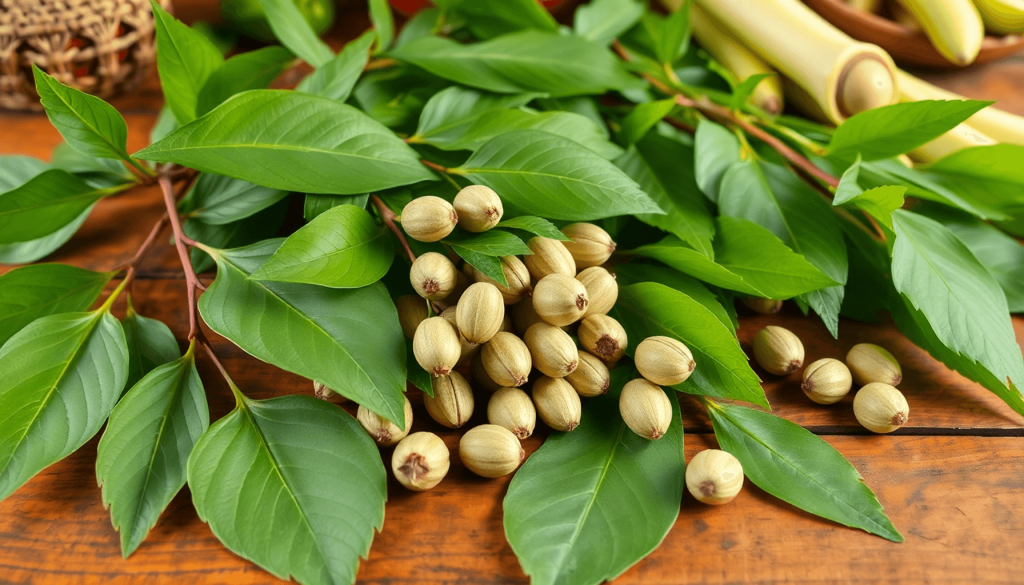
Moringa oleifera, known as “daun kelor” in Indonesia, is a true gem among superfoods. Originating from the Indian subcontinent but thriving in Indonesian soil, this miracle tree has captured worldwide attention for its exceptional nutritional profile and health benefits. Indonesian Moringa is not just a plant; it embodies a rich tapestry of tradition and nourishment deeply rooted in the country’s heritage.
Indonesian Moringa stands tall as a symbol of wellness and vitality, revered for its potent blend of vitamins, minerals, antioxidants, and amino acids. Its journey from local staple to global superfood mirrors its transformative impact on health and nutrition worldwide.
The Origins and Traditional Uses of Moringa
Moringa has a long history in Indonesia, where it has become an important part of local farming and eating habits. Known as daun kelor in Indonesia, Moringa was brought to the country through trade routes that connected India and Southeast Asia. Its ability to grow well in Indonesia’s tropical climate made it a key crop for small-scale farmers and rural communities.
Traditional Uses of Moringa
Moringa is used in various ways in Indonesia:
- In cooking: Young leaves and seed pods are added to soups, stews, and vegetable dishes for extra flavor and nutrition.
- For medicine: Different parts of the plant are used to treat conditions like inflammation, digestive problems, and infections based on traditional knowledge.
- In everyday life: Moringa leaf powders are commonly used as dietary supplements, particularly for children and pregnant women at risk of malnutrition.
Cultural Importance of Moringa
Moringa holds cultural significance as a vital resource for sustaining life in rural areas. It represents resilience due to its ability to withstand drought and require minimal cultivation efforts. Farmers appreciate Moringa not only for its nutritional advantages but also for its role in improving soil quality and promoting sustainable farming methods. As a traditional crop, Moringa embodies both cultural heritage and hope for enhancing livelihoods in Indonesian villages.
The Nutritional Profile of Moringa
Moringa leaves are a powerhouse of essential nutrients that support health in multiple ways. Known locally as daun kelor, these leaves deliver an impressive concentration of:
- Vitamins: High levels of vitamin A, C, and E provide antioxidant protection and support immune function, skin health, and vision.
- Minerals: Rich in iron, calcium, and potassium, moringa contributes to oxygen transport in the blood, bone strength, and electrolyte balance.
- Protein & Amino Acids: Moringa leaves contain all nine essential amino acids, making them a complete protein source. This is crucial for muscle maintenance and cellular repair.
- Antioxidants: Compounds like quercetin and chlorogenic acid combat oxidative stress, reducing inflammation and promoting longevity.
Compared to other popular superfoods such as spinach or kale, moringa surpasses them in nutrient density. For example:
Nutrient Moringa (per 100g) Spinach (per 100g) Kale (per 100g) Vitamin A (IU) | 16,300 | 9,377 | 13,000 |
Vitamin C (mg) | 51.7 | 28 | 120 |
Calcium (mg) | 440 | 99 | 150 |
Iron (mg) | 7 | 2.7 | 1.5 |
Protein (g) | 9 | 2.9 | 4.3 |
The elevated levels of protein and minerals make moringa an excellent option for combating malnutrition in vulnerable populations.
Beyond its nutritional benefits for human consumption, moringa cultivation supports eco-friendly agriculture. The plant enriches soil quality through nitrogen fixation and helps prevent erosion. Its adaptability to poor soils makes it ideal for reforestation efforts in degraded landscapes. By growing moringa, farmers promote sustainable land use while producing a nutrient-dense crop that benefits both people and the environment.
This dual role—nourishing bodies while restoring ecosystems—positions moringa uniquely among superfoods. It serves not only as a dietary supplement but also as a tool for sustainable development rooted in Indonesia’s rich agricultural heritage.
Health Benefits Supported by Research Studies
Moringa oleifera, often celebrated in Leafy Legends: Unveiling the Nutritional Wonders of Indonesian Moringa, offers several scientifically supported health benefits. Its rich nutritional content translates into practical advantages for immunity, malnutrition, and maternal and child health.
Immunity Boost
Moringa’s high concentration of vitamins A, C, and E plays a crucial role in enhancing immune function. These antioxidants protect cells from oxidative stress, a key factor in immune suppression. Studies show regular consumption of moringa leaf powder can:
- Increase white blood cell count
- Enhance the body’s ability to fight infections
- Reduce inflammation associated with chronic diseases
This makes moringa a natural ally for those seeking a stronger immune system without relying on synthetic supplements.
Combatting Malnutrition
Malnutrition remains a pressing concern in many parts of Indonesia. Moringa leaves provide essential nutrients lacking in staple diets, helping to prevent nutrient deficiencies. Its protein content supports muscle repair and growth, while iron combats anemia—a common issue in undernourished populations. Community programs incorporating moringa have reported:
- Improved nutritional status among children and adults
- Reduction in stunting rates in vulnerable groups
- Enhanced recovery from malnutrition-related illnesses
The accessibility and affordability of moringa make it an important tool against widespread malnutrition.
Maternal and Child Health Support
Moringa’s benefits extend to maternal and child health, especially during pregnancy and early childhood development. Key nutrients like calcium and folate contribute to fetal bone development and prevent birth defects. Iron helps reduce the risk of anemia in pregnant women, improving both mother’s health and birth outcomes.
Moringa supplementation has been linked to:
- Increased breast milk production
- Better infant growth parameters
- Enhanced energy levels in nursing mothers
Its use as a dietary supplement supports healthier pregnancies and stronger children, addressing critical stages where nutrition is vital.
Indonesian rural communities have long recognized these benefits, weaving moringa into traditional remedies that support family wellness. As deforestation threatens natural resources, cultivating moringa also contributes to environmental resilience by providing a sustainable crop that enriches soil quality and helps combat ecosystem degradation.
Scientific studies confirm that integrating moringa into daily diets holds promise beyond nutrition—bolstering immunity, fighting malnutrition, and supporting maternal-child health form core pillars of its impact.
Moringa’s Role in Improving Energy Levels and Focus
Moringa is a nutrient-rich plant that offers numerous health benefits, including increased energy levels and improved focus. Here’s how Moringa can help:
Moringa’s Nutritional Composition
Moringa is packed with essential nutrients like vitamins A, C, and E, minerals such as calcium and potassium, and amino acids. These nutrients play a crucial role in boosting energy levels and enhancing mental clarity.
Steady Release of Energy
The high iron content in Moringa aids in the production of red blood cells, promoting oxygen transport throughout the body. This steady oxygen flow can help combat fatigue and improve overall energy levels.
Brain Function and Focus
Moringa’s rich antioxidant properties help reduce oxidative stress and inflammation in the brain, potentially enhancing cognitive function and focus.
Sustainable Energy Source
As a drought-resistant crop that thrives in various climates, Moringa represents an innovative solution for sustainable energy and nutrition amidst changing environmental conditions.
By incorporating Moringa into your diet, you not only benefit from its nutritional value but also support sustainable practices that align with combating climate change while boosting your energy levels naturally.
Anti-Inflammatory and Anti-Aging Effects of Moringa
Moringa, also known as “daun kelor” in Indonesia, is more than just a nutrient powerhouse. It has also gained popularity for its potential anti-inflammatory and anti-aging effects. Let’s explore how this leafy green can benefit our well-being:
Anti-Inflammatory Properties
Moringa is believed to contain compounds that have anti-inflammatory properties, which can help reduce inflammation in the body. Chronic inflammation is associated with various health problems like heart disease, arthritis, and certain types of cancer. By adding Moringa to your diet, you may be able to fight inflammation and promote better overall health.
Anti-Aging Benefits
The high levels of antioxidants found in Moringa leaves are crucial in fighting oxidative stress, a significant factor in premature aging. Antioxidants work by neutralizing free radicals that can harm cells and speed up the aging process. Regularly consuming Moringa may support your body’s defense against oxidative damage and help you maintain a more youthful appearance.
Including Moringa in your daily routine not only provides essential nutrients but also offers potential anti-inflammatory and anti-aging benefits that contribute to a healthier lifestyle.
Moringa in the Global Market: A Sustainable Crop with Economic Impact
Overview of the Growing Global Market for Moringa-based Products
Moringa has gained significant popularity worldwide, leading to a surge in demand for various Moringa-based products. These products include:
- Powders
- Teas
- Oils
- Supplements
The global market for Moringa is expanding rapidly as consumers become more aware of its nutritional benefits and seek natural, plant-based alternatives.
Economic Impact of Indonesian Moringa Production
Indonesia, known for its rich biodiversity and agricultural resources, has emerged as one of the leading producers of Moringa. The production of Moringa in Indonesia has had a positive economic impact on local economies and small-scale farmers. Here are some key points to consider:
- Income Generation: Small-scale farmers who cultivate Moringa can diversify their income sources and improve their livelihoods. With the increasing demand for Moringa products, farmers have the opportunity to sell their harvest directly to manufacturers or export markets.
- Job Creation: The growth of the Moringa industry in Indonesia has also resulted in job creation along the supply chain. From cultivation to processing and distribution, various employment opportunities are generated, benefiting rural communities.
- Support for Local Businesses: As the demand for Moringa rises, local businesses involved in processing and packaging Moringa products can thrive. This contributes to the overall economic development of the region.
Sustainability Aspects of Cultivating Moringa
Moringa is not only economically beneficial but also environmentally sustainable. Here are some sustainability aspects associated with cultivating Moringa:
- Drought-Resistant Crop: Moringa is known for its ability to withstand dry conditions and requires minimal water compared to other crops. This makes it an ideal choice for regions prone to droughts or water scarcity.
- Soil Enrichment: The cultivation of Moringa can improve soil health through its nitrogen-fixing properties. When grown as a cover crop or intercropped with other plants, Moringa contributes organic matter to the soil, enhancing fertility.
- Reforestation Efforts: In areas where deforestation has occurred, planting Moringa trees can aid in reforestation efforts. The tree’s fast growth rate and adaptability make it suitable for restoring degraded lands.
The combination of economic opportunities and sustainable practices makes Moringa a valuable crop with potential benefits for both people and the planet.
FAQs (Frequently Asked Questions)
Indonesian Moringa is rich in essential nutrients including high levels of vitamins A, C, and E, minerals like iron, calcium, and potassium, antioxidants, amino acids, and protein. This impressive nutritional profile positions it as a powerful superfood with significant health benefits.
In Indonesia, Moringa has a long history of traditional use in cuisine, medicine, and daily life. It holds cultural significance especially in rural communities where small-scale farmers cultivate it for its drought resistance and versatile applications.
Research highlights several health benefits of Indonesian Moringa including boosting immunity, combating malnutrition, and supporting maternal and child health. Its nutrient-rich composition contributes to these positive effects.
Yes, consuming Indonesian Moringa has been linked to enhanced energy levels and improved mental clarity. Its rich nutrient content supports overall vitality and cognitive function.