
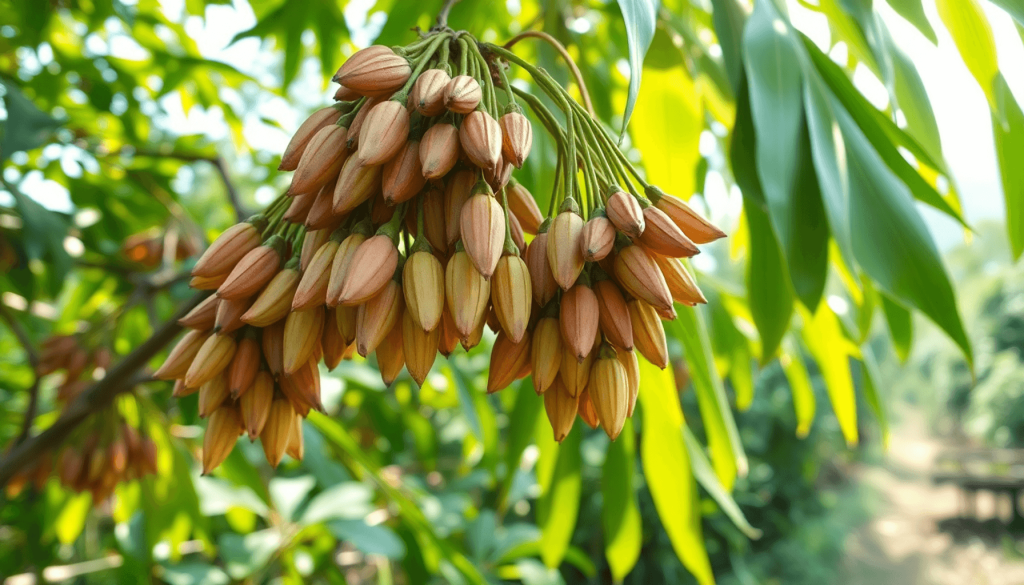
Moringa Magic 2025: Indonesia’s Superfood Leading the Clean-Label Trend is more than a catchy phrase—it represents a significant change in global food culture. Moringa, a nutrient-rich superfood native to Indonesia, has gained attention for its exceptional profile packed with protein, vitamins, minerals, and antioxidants. Known locally for generations, this plant is now stepping onto the world stage as a symbol of health and sustainability.
The clean-label trend drives consumer choices by prioritizing natural, organic, and minimally processed products. This movement demands transparency in ingredient sourcing and production methods—qualities that perfectly align with moringa’s traditional cultivation and usage. Consumers increasingly reject synthetic additives and artificial preservatives in favor of foods that promote wellness without compromise.
In 2025, moringa stands out as a leader within this clean-label revolution. Its versatility—from powders and teas to oils and supplements—enables manufacturers to craft products that meet the rising global demand for organic superfoods. Indonesia’s moringa not only supports health-conscious lifestyles but also showcases the power of sustainable agriculture rooted in cultural heritage.
This combination of nutrition, purity, and sustainability puts moringa at the forefront of clean-label innovation worldwide.
The Origins and Traditional Uses of Moringa in Indonesia
Moringa has been grown in Indonesia for many years, becoming an important part of the culture and farming practices of local communities. It is often referred to as the “Tree of Life,” a name that signifies its incredible usefulness and significance in everyday life. Indonesian farmers have always appreciated moringa not just as a source of food but also as a natural remedy and sustainable resource.
Historical Roots in Indonesian Communities
- Indigenous knowledge passed down through generations highlights moringa’s resilience in diverse climates throughout the archipelago.
- Its fast-growing nature made it an essential crop for subsistence farmers, providing continuous nourishment even in challenging conditions.
- Moringa leaves, seeds, and pods were harvested regularly, ensuring a steady supply of nutrients year-round.
Traditional Uses
- Food: Fresh moringa leaves are commonly used in soups, stews, and salads. Dried leaves serve as a natural seasoning or powder to fortify meals with extra vitamins and minerals.
- Medicine: Traditional healers use moringa to address inflammation, infections, digestive issues, and fatigue. Its rich antioxidant content supports immune health and overall wellness.
- Sustainability: Beyond consumption, moringa contributes to soil enrichment through nitrogen fixation. Its fast growth also aids reforestation efforts and provides fodder for livestock.
The Tree of Life — A Local Emblem of Energy and Wellness
The nickname “Tree of Life” comes from moringa’s reputation for boosting energy levels and promoting vitality. Locals believe that regular consumption leads to increased physical stamina and mental clarity. Scientific research now confirms many of these traditional claims, validating moringa’s place not only in nutrition but also in natural skincare due to its anti-inflammatory and moisturizing properties.
Moringa Magic thrives on these time-honored traditions while inspiring new innovations that honor Indonesian heritage.
Moringa’s Nutritional Powerhouse: A Closer Look at Its Health Benefits
Moringa, a true nutritional powerhouse, offers a wide range of health benefits that make it a superfood in 2025:
1. Nutritional Profile
Moringa boasts high levels of essential vitamins such as A, C, and E, crucial for immune function and skin health. It is also rich in vital minerals like calcium, potassium, and iron, supporting bone strength and overall well-being. Furthermore, Moringa contains antioxidants that combat oxidative stress, amino acids for muscle repair, and proteins essential for various bodily functions.
2. Health Benefits
The benefits of Moringa are extensive and impactful. This superfood is known for boosting immunity due to its nutrient density. It plays a significant role in combating malnutrition, especially in regions with food scarcity. Additionally, Moringa supports energy levels, enhancing focus and cognitive function. Its overall wellness-promoting properties make it a valuable addition to any diet.
3. Scientific Research
In 2025, scientific research continues to validate Moringa’s health claims. Studies confirm its efficacy in improving various health markers and addressing nutritional deficiencies. The growing body of evidence supports the traditional uses of Moringa while uncovering new potential applications in modern healthcare practices.
With its impressive array of nutrients and health benefits backed by research findings, Moringa stands out as a key player in promoting well-being and vitality in individuals embracing clean-label foods enriched with natural goodness.
The Clean-Label Trend: A Growing Global Demand for Natural Products
The clean-label trend is becoming increasingly popular worldwide, with consumers showing a greater interest in natural and minimally processed products. This change in what people prefer to buy is largely due to a rising understanding of the advantages of eating foods that don’t contain artificial additives or synthetic chemicals. Here’s a closer look at the key points surrounding this trend:
1. Understanding the clean-label trend
The clean-label trend emphasizes transparency in food products, with a focus on using natural ingredients and avoiding artificial additives or preservatives.
Consumers are becoming more discerning about the products they purchase, seeking out labels that reflect simplicity, authenticity, and wholesome ingredients.
2. Growing popularity around the world
Countries all over the world are seeing an increase in demand for clean-label products as consumers prioritize health, wellness, and sustainability.
Clean-label options are not only seen as healthier but also environmentally friendly, aligning with the growing eco-conscious mindset of modern consumers.
3. Shifting consumer preferences towards natural and minimally processed products
There is a noticeable move away from heavily processed foods towards those that are perceived as more natural.
Products labeled as clean are viewed as safer, more nutritious, and better for both personal health and the environment.
The clean-label trend highlights a larger shift towards mindful consumption and a desire for products that align with values of authenticity and purity. As Moringa emerges as a key player in this space, its natural, eco-friendly qualities position it as a frontrunner in meeting the needs of conscious consumers in 2025.
Moringa’s Role in the Clean-Label Movement
Moringa is a perfect example of the clean-label trend. It is naturally grown without synthetic fertilizers or pesticides, making it an ideal ingredient for health-conscious consumers who value transparency and simplicity in their food choices. The versatility of moringa allows for minimal processing, which helps retain its nutrients and aligns with clean-label principles.
Forms of Moringa Products Aligned with Clean-Label Values
- Powders: Moringa leaf powders are among the most popular forms, prized for their convenience and nutritional density. These powders can be easily incorporated into smoothies, baked goods, or sprinkled over meals without the need for additives or preservatives.
- Teas: Moringa teas provide a natural, caffeine-free alternative for those looking to boost wellness through hydration. The drying process used in tea production maintains the leaves’ antioxidant content without chemical interventions.
- Oils: Extracted from moringa seeds, moringa oil is valued for both culinary and cosmetic uses. Its cold-pressed extraction method fits clean-label demands by avoiding chemical solvents, ensuring an organic product free from artificial compounds.
- Supplements: Capsules and tablets made from moringa extracts cater to busy individuals seeking convenient health boosts. Clean-label supplement manufacturers prioritize sourcing organic moringa and avoid fillers, binders, or synthetic additives.
Innovation drives the clean-label market forward as companies collaborate with Indonesian farmers and researchers to develop new moringa-based products. These partnerships focus on maintaining organic cultivation standards while expanding moringa’s applications. Product developers experiment with blends that enhance flavor and nutritional benefits without compromising purity.
Health-conscious consumers appreciate moringa’s adaptability across multiple product formats. This flexibility allows brands to meet diverse dietary needs—vegan, gluten-free, keto-friendly—while adhering strictly to clean-label transparency. By integrating moringa into everyday foods and supplements, the industry continues to respond effectively to rising demand for natural wellness solutions.
Sustainability and Transparency: Key Aspects of Moringa’s Clean-Label Appeal
Moringa stands out not only for its nutritional benefits but also for its strong alignment with sustainability in food production. This superfood thrives in diverse environments, requiring minimal water and no synthetic fertilizers or pesticides. Such characteristics reduce the environmental footprint of its cultivation, making moringa a model crop for sustainable agriculture in Indonesia.
Sustainability Benefits of Moringa
Moringa offers several sustainability benefits that contribute to its appeal as a clean-label superfood:
- Soil Health Improvement: Moringa trees contribute to soil enrichment through nitrogen fixation. This natural process enhances soil fertility without chemical inputs, supporting long-term land productivity.
- Carbon Sequestration: The fast-growing nature of moringa plants allows them to absorb significant amounts of carbon dioxide, helping combat climate change.
- Biodiversity Support: Moringa cultivation encourages agroforestry systems that preserve local ecosystems and promote wildlife habitats.
The Importance of Transparency in the Clean-Label Market
Transparency plays a crucial role in maintaining consumer trust within the clean-label market. High-quality moringa products depend on clear, ethical sourcing practices that guarantee purity and authenticity.
Key Elements of Transparency in Moringa Sourcing
Producers can establish transparency by focusing on the following key elements:
- Traceability: Consumers expect detailed information about where and how moringa is grown. Provenance certifications and farm-to-shelf transparency reassure buyers about product integrity.
- Organic Certification: Many top-tier moringa suppliers pursue organic certification to validate their commitment to chemical-free farming.
- Fair Trade Practices: Transparent supply chains often incorporate fair wages and support for smallholder farmers, ensuring social sustainability alongside environmental stewardship.
By emphasizing these values, producers can meet the growing demand for clean-label moringa products that are not only healthy but responsibly sourced. This dual focus on sustainability and transparency strengthens moringa’s appeal as a superfood rooted in ethical and eco-friendly principles.
Empowering Communities Through The Clean-Label Revolution With Moringa
The clean-label movement brings significant economic empowerment to rural communities and small-scale farmers cultivating moringa across Indonesia. By prioritizing natural, organic, and minimally processed products, this trend creates direct market opportunities for local growers who maintain traditional farming methods without relying on synthetic chemicals.
Key benefits include:
- Fair Trade and Better Pricing: Small-scale farmers can command premium prices for high-quality, sustainably grown moringa that meets clean-label standards.
- Job Creation: Increased demand for moringa products fuels employment in harvesting, processing, packaging, and distribution at the community level.
- Capacity Building: Programs linked to the Moringa Magic 2025 initiative often provide training on sustainable agriculture practices, quality control, and business skills.
- Preservation of Indigenous Knowledge: Supporting farmers helps keep traditional cultivation techniques alive while integrating modern standards for global markets.
By fostering transparent supply chains and ethical sourcing, the clean-label revolution encourages consumers to support products that directly benefit Indonesian rural economies. This connection between consumer awareness and producer welfare is a defining feature of moringa’s expanding role in both local livelihoods and international superfood markets.
Empowering these communities strengthens Indonesia’s position as a leader in the sustainable superfood industry while promoting social equity through responsible consumption.
Challenges And Future Prospects For Moringa In The Global Clean-Label Market
Indonesian producers face several challenges when entering the global clean-label market with moringa products. Meeting international standards requires strict adherence to quality control, organic certifications, and traceability. Small-scale farmers often struggle with:
- Access to advanced agricultural technology and sustainable farming practices.
- Navigating complex regulatory requirements for export markets.
- Ensuring consistency in product quality and purity without synthetic additives.
- Competing with established global superfood brands that have larger marketing budgets.
These obstacles demand investment in education, infrastructure, and cooperative frameworks to empower local growers.
Despite these challenges, moringa’s future prospects as a global leader in the clean-label market are promising. Rising consumer demand for natural, nutrient-dense ingredients positions moringa at the forefront of health-conscious food trends. Key growth drivers include:
- Expansion of moringa-based products in categories like snacks, supplements, and beverages.
- Increasing partnerships between Indonesian producers and international distributors.
- Innovations in processing techniques that preserve nutritional value while meeting clean-label criteria.
- Growing awareness of moringa’s environmental sustainability as a drought-resistant crop with low resource needs.
Moringa’s unique combination of nutritional benefits and alignment with clean-label values offers a competitive edge. Indonesia has the potential to strengthen its role as a primary supplier, boosting economic development while championing sustainable food production on the global stage.
Conclusion
Moringa is a superfood that can help create a healthier planet through sustainable practices. By choosing Moringa products sourced from Indonesia, you can support local farmers and contribute to environmental conservation efforts.
FAQs (Frequently Asked Questions)
Moringa, often called the ‘Tree of Life,’ is native to Indonesia and boasts a rich nutritional profile including high levels of vitamins A, C, E, essential minerals like calcium, potassium, iron, antioxidants, amino acids, and proteins. Its traditional uses for food and medicine highlight its significance as a powerful superfood.
Moringa fits perfectly into the clean-label trend due to its natural, organic, and minimally processed characteristics. As consumers increasingly seek eco-friendly and transparent products, Moringa’s powders, teas, oils, and supplements offer health-conscious options that meet these clean-label demands.
Moringa supports overall wellness by boosting immunity, combating malnutrition, enhancing energy levels and focus. Its rich content of vitamins, minerals, antioxidants, and amino acids contributes to these health benefits backed by scientific research in 2025.
Moringa cultivation promotes sustainability through drought-resistant growth, soil enrichment, reforestation efforts, and reducing deforestation. Transparent sourcing and high-quality production practices ensure that Moringa supports environmental conservation while aligning with clean-label values.