
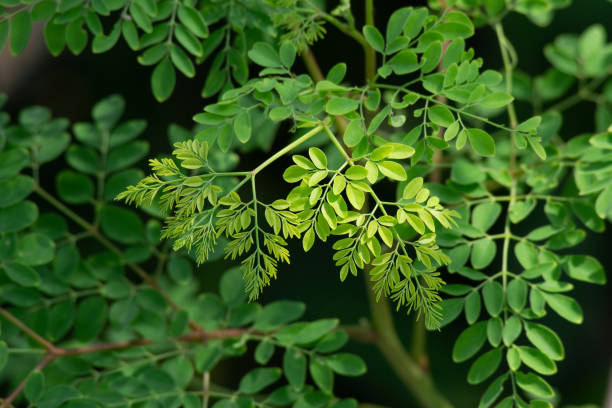
Moringa: The Superfood from Indonesia
Moringa is a nutrient-dense superfood native to Indonesia. Furthermore, it is gaining global recognition for its exceptional nutritional and medicinal value. This versatile plant is often referred to as the “drumstick tree” or “miracle tree.” Additionally, it is packed with vitamins, minerals, and antioxidants. These nutrients offer a wide range of health benefits.
In this article, we will explore various aspects of Moringa. Moreover, we’ll examine what makes it such a remarkable superfood. We’ll delve into its health benefits and economic impact on local communities. Furthermore, we’ll discuss its cultural significance in Indonesian traditions. Finally, we’ll explore its potential for sustainability in promoting a healthier future.
The Cultural Heritage of Moringa in Indonesia
Moringa is locally known as daun kelor. Consequently, it holds a significant place in Indonesian culture, especially in regions like Bali. Its origins trace back centuries. During this time, communities have cultivated this resilient plant for multiple purposes. They use it not only for food but also for its medicinal properties.
Traditional farming practices allowed daun kelor to thrive. As a result, it proved vital in areas facing environmental challenges. These areas often dealt with deforestation and soil degradation.
Moringa’s Role in Balinese Cuisine
Moringa leaves are commonly consumed in Balinese households. They can be eaten either fresh or dried. Additionally, they play an important role in local cooking. The leaves have a peppery flavor. Therefore, they enhance various dishes. These include soups, stews, and herbal drinks. The herbal drinks are known as jamu.
Moringa’s Place in Indonesian Folk Medicine
Beyond nutrition, daun kelor is highly regarded in Indonesian traditional medicine. For instance, it is used for treating wounds. Moreover, it promotes digestive health. This showcases a wealth of knowledge. This knowledge has been passed down through generations.
Moringa’s Symbolism in Balinese Culture
The plant’s cultural significance goes beyond practical applications. In Bali, Moringa is affectionately called the “broomstick of the gods.” Consequently, it represents purification and spiritual cleansing. This nickname emphasizes the deep respect locals have for daun kelor. Therefore, it symbolizes more than just a food source. Instead, it represents a bond between nature and tradition.
Efforts to Preserve Moringa’s Legacy
Throughout Indonesia, there are ongoing initiatives. These initiatives combine heritage with modern solutions. Sustainable farming projects seek to safeguard Moringa’s legacy. Meanwhile, they tackle present-day issues. These issues include deforestation and nutritional deficiencies. This blend of tradition and advancement highlights an important point. It shows how daun kelor continues to be integral to Indonesia’s cultural identity. Furthermore, it remains vital for future wellbeing.
Nutritional Powerhouse: Unveiling the Health Benefits of Moringa
Moringa stands out as a superfood. This is due to its exceptional nutrient density. It delivers a rich supply of vitamins, minerals, and antioxidants. Additionally, it provides protein. These nutrients surpass many common foods.
Key Nutritional Components
1. Vitamins
Moringa leaves contain particularly high levels of vitamins A, C, and E. Vitamin A supports vision and skin health. Therefore, it plays a crucial role in maintaining these essential functions. Meanwhile, vitamin C enhances immune function. It also acts as a powerful antioxidant. Similarly, vitamin E contributes to cellular protection. Furthermore, it aids in skin regeneration.
2. Minerals
Iron, calcium, and potassium are abundant in moringa. Consequently, it becomes valuable for blood health and bone strength. Additionally, it helps maintain electrolyte balance. For instance, moringa has up to 25 times more iron than spinach. Moreover, it contains 17 times more calcium than milk.
3. Protein
Unlike many leafy greens, moringa provides significant plant-based protein. In fact, it offers about 9 times more protein than yogurt. Therefore, it provides essential amino acids. These amino acids are necessary for muscle repair and enzymatic functions.
4. Antioxidants
Moringa is rich in flavonoids and polyphenols. Additionally, it contains other bioactive compounds. These compounds neutralize free radicals. As a result, these antioxidants combat oxidative stress. This stress is linked with chronic diseases and aging processes.
Health Benefits Backed by Science
1. Immunity Support
The combination of vitamins C and A is powerful. Additionally, potent antioxidants enhance this effect. Together, they boost the immune system’s ability to fight infections. Therefore, moringa becomes an effective dietary addition. It enhances resistance against common illnesses.
2. Anti-inflammatory Effects
Chronic inflammation underpins many health conditions. These include arthritis, heart disease, and diabetes. However, moringa contains natural compounds like isothiocyanates. These compounds are shown to reduce inflammation markers in the body.
3. Anti-aging Properties
Moringa’s antioxidant profile helps protect skin cells from damage. This damage is caused by pollution and UV exposure. Furthermore, regular consumption can support skin elasticity and vitality. Additionally, it reduces the appearance of wrinkles.
Moringa’s impressive nutrition aligns well with global health priorities. These priorities aim to improve diet quality naturally. Furthermore, they prevent lifestyle-related diseases through functional foods. Its role extends beyond traditional diets. Instead, it reaches into modern nutritional science. This science focuses on holistic wellness.
Combating Malnutrition: Moringa’s Role in Maternal and Child Health
Moringa’s dense nutritional profile makes it a vital ally. Specifically, it helps in malnutrition prevention. This is especially important for infants and nursing mothers. These groups require enhanced nutrient intake. In Indonesia, stunting and nutrient deficiencies remain critical public health issues. Therefore, Moringa Magic offers a practical solution. It improves maternal health and child health outcomes.
Key facts about Moringa in this context:
Rich nutrient source: Its leaves provide essential vitamins A and C. Additionally, they contain calcium, iron, and protein. All of these are crucial for infant growth and maternal nourishment.
Stunting reduction: Regular inclusion of Moringa in complementary foods has been shown to help. Specifically, it contributes to better physical development among children. This is particularly important for children at risk of stunting.
Ease of integration: Moringa leaf powder can be easily added to traditional foods. For instance, it works well in infant porridges or snacks. Moreover, it doesn’t alter taste significantly. Therefore, it ensures higher acceptance.
Innovative applications demonstrate Moringa’s versatility:
Instant baby porridge enriched with Moringa leaf flour increases nutritional content. Specifically, it boosts protein and calcium levels. Furthermore, this exceeds what commercial formulas provide.
Moringa-infused herbal drinks (jamu) support lactating mothers. They do this by boosting nutrient levels naturally.
Moringa-based complementary foods are being developed as low-cost options. Therefore, they enhance dietary diversity in rural areas.
These approaches harness the full potential of Moringa. Additionally, they respect local dietary habits. The superfood’s role in malnutrition prevention is gaining traction. This happens through community programs. These programs aim to reduce child stunting. Furthermore, they improve nutrition for vulnerable groups. Consequently, they strengthen Indonesia’s path toward a healthier tomorrow.
Economic Opportunities through Moringa Cultivation in Indonesia
Moringa farming presents significant opportunities. These opportunities boost rural livelihoods. Additionally, they foster economic development in Indonesia. Rural communities benefit directly from cultivating this resilient crop. It thrives with low input costs and minimal water requirements. Therefore, it becomes accessible for smallholder farmers.
Key economic advantages include:
Income Generation: Smallholder farmers gain additional revenue. They do this by growing moringa leaves, seeds, and pods. These can be sold fresh. Alternatively, they can be processed into powders, teas, and oils.
Value-Added Products: The rise of moringa-based products opens new opportunities. These products include dietary supplements, cosmetics, and functional foods. Consequently, they create new market channels. These channels support local entrepreneurship.
Employment Creation: Expanding moringa cultivation and processing industries generate jobs. These jobs exist along the supply chain. They range from planting and harvesting to packaging and marketing.
The involvement of smallholder farmers is crucial. They often operate on limited land. However, they can achieve profitable yields. They do this by integrating moringa into diversified cropping systems. This integration enhances farm resilience. Moreover, it promotes food security within their communities.
By tapping into both domestic demand and export markets, moringa farming strengthens local economies. Furthermore, it empowers rural populations with sustainable income sources. These sources are rooted in indigenous agricultural knowledge. Additionally, they are paired with modern market trends.
Sustainable Farming Practices: The Environmental Benefits of Moringa Cultivation
Moringa is often referred to as the “drumstick tree” or “miracle tree.” It is gaining recognition as a sustainable crop. Moreover, it offers numerous environmental benefits. Its unique characteristics make it an ideal choice. Specifically, it works well for eco-friendly agriculture and sustainable farming practices.
Drought Resistance: A Key Advantage
One of the standout features of Moringa is its remarkable resilience. Specifically, it resists drought conditions. This makes it a suitable crop for regions prone to water scarcity. Additionally, it works well in areas facing the challenges of climate change. By incorporating Moringa into their farming systems, farmers can achieve several benefits:
Adapt to Changing Weather Patterns: Unpredictable rainfall patterns are becoming more common. This is due to climate change. However, Moringa’s ability to thrive in dry conditions offers a solution. Therefore, it provides a reliable source of food and income for farmers.
Reduce Water Dependency: Traditional crops often require significant amounts of water for irrigation. In contrast, Moringa’s deep root system enables it to access moisture from deeper soil layers. Consequently, this reduces the need for excessive watering.
Enhance Resilience in Agroecosystems: Introducing drought-resistant crops like Moringa can enhance overall resilience. Specifically, it improves agricultural ecosystems. As a result, they become better equipped to withstand environmental stresses.
Soil Enrichment and Biodiversity Preservation
In addition to its drought resistance, Moringa cultivation contributes positively to soil fertility. Furthermore, it helps with biodiversity preservation:
Improving Soil Health: Moringa leaves are rich in nutrients. These include nitrogen, phosphorus, and potassium. When used as green manure or compost, they can significantly improve soil health. Moreover, they enhance fertility over time.
Promoting Biodiversity: Planting Moringa alongside other crops promotes biodiversity on farms. This diverse planting system can attract beneficial insects, birds, and other wildlife. Consequently, these creatures contribute to natural pest control and pollination.
Reducing Chemical Inputs: Farmers can enhance soil fertility naturally through organic matter addition. For example, they can use Moringa leaves. Therefore, farmers may reduce their reliance on synthetic fertilizers. This shift towards organic practices has positive implications. These benefits apply to both the environment and human health.
Moringa’s environmental benefits make it an attractive option. Specifically, it works well for sustainable farming practices. Its ability to withstand drought conditions is notable. Additionally, it improves soil fertility and promotes biodiversity. These qualities align with the principles of eco-friendly agriculture. As more farmers embrace these sustainable practices, we move closer towards a greener future. In this future, food production coexists harmoniously with nature.
Overcoming Challenges for a Healthier Tomorrow with Moringa
Widespread adoption and commercialization of Moringa-based products face multiple barriers. Unfortunately, these barriers slow down its full potential.
Key challenges include:
Regulatory barriers: Many countries lack clear guidelines on moringa products. As a result, this leads to lengthy approval processes and inconsistent quality standards. Consequently, this limits market access for producers. Furthermore, it reduces consumer confidence.
Limited awareness: Despite its nutritional richness, many consumers remain unaware of moringa’s health benefits. This lack of awareness exists among both consumers and health professionals. Therefore, it restricts demand and investment.
Supply chain issues: Smallholder farmers often struggle with inconsistent yields. Additionally, they face limited processing infrastructure and inadequate market linkages. These factors hinder scalable production. This production is needed to meet growing global interest.
Product standardization: Diverse preparation methods exist for moringa products. Moreover, there is varying nutrient content in moringa products. These factors create challenges in establishing standardized formulations. Such formulations are needed for commercial use.
Addressing these obstacles requires targeted awareness campaigns. These campaigns should inform consumers, policymakers, and stakeholders about the value of moringa. Additionally, clear regulatory frameworks can streamline product approvals. Furthermore, they ensure safety and quality. Supporting farmers with training and infrastructure investment will improve supply reliability.
The vision behind Moringa Magic depends on overcoming these hurdles. Specifically, it aims to unlock moringa’s full impact on nutrition, health, and local economies. Therefore, raising awareness is essential for fostering acceptance. This acceptance leads to sustainable growth. Ultimately, it creates a healthier tomorrow powered by this extraordinary superfood.
Innovating for a Sustainable Future: The Path Ahead with Moringa Superfood
Moringa’s potential in functional foods is immense. This is especially true for boosting immunity and preventing chronic diseases. By scaling up sustainable production practices, we can ensure important outcomes. Specifically, we can ensure that moringa continues to benefit both our health and the environment.
The vision for moringa goes beyond being just a superfood. Instead, it has the power to transform the way we approach nutrition and wellness. Therefore, it paves the way for a healthier tomorrow in Indonesia and across the world. Let’s embrace Moringa Magic as a catalyst for change. This change moves us towards a more sustainable and health-conscious future.
FAQs (Frequently Asked Questions)
Moringa is also known as daun kelor in Indonesia. It is a nutrient-dense superfood native to Indonesia. Furthermore, it has gained global recognition for its exceptional nutritional and medicinal value. This includes high levels of essential vitamins, minerals, antioxidants, and protein. Therefore, it becomes a powerful ingredient for health and wellness.
Moringa holds significant cultural heritage in Indonesia. This is especially true in regions like Bali. There, it is traditionally cultivated and used in folk medicine. Moreover, it is known as the ‘broomstick of the gods.’ Therefore, it plays an important role in local diets. Additionally, it symbolizes health and vitality within Indonesian cultural practices.
Moringa offers numerous health benefits. These include immune system support, anti-inflammatory effects, and anti-aging properties. Additionally, it supplies essential nutrients. These include vitamins A, C, and E. Furthermore, it provides minerals including iron, calcium, and potassium. Moreover, it contains potent antioxidants. Together, these promote overall wellness.
Moringa serves as a powerful tool to address malnutrition. It does this by enhancing infant nutrition and maternal health. Its nutrient-rich profile helps prevent stunting. Moreover, it supports growth when incorporated into complementary foods. These foods are targeted at vulnerable populations. Specifically, they help nursing mothers and young children.