
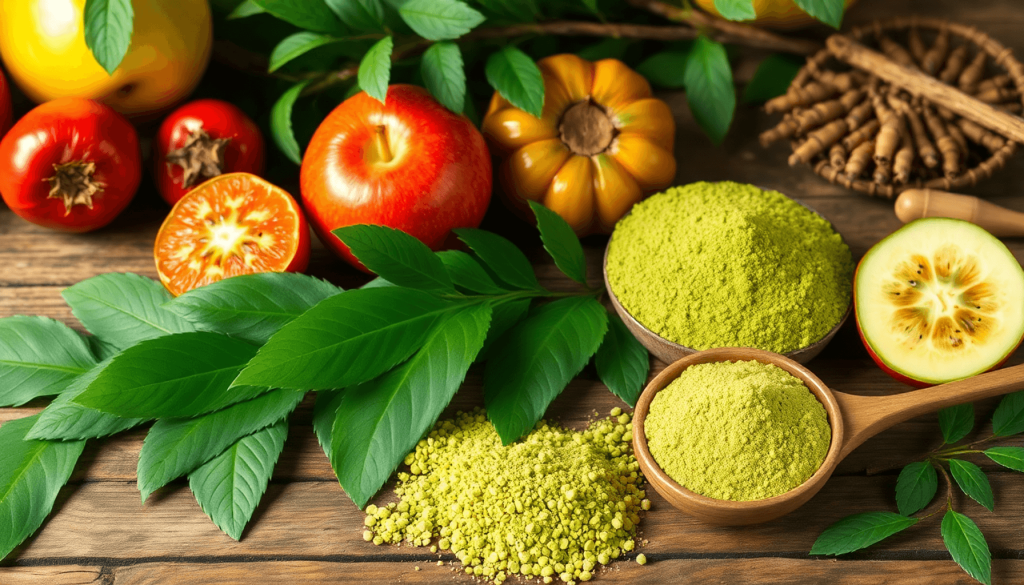
Moringa oleifera, also known as the drumstick tree or miracle tree, is a nutrient-dense superfood native to Indonesia. This incredible plant is packed with vitamins, minerals, and antioxidants, making it a powerhouse of nutrition.
In recent years, Moringa has gained global recognition as a powerful solution for health and wellness. Its numerous health benefits have caught the attention of health enthusiasts, nutritionists, and researchers worldwide.
In this article, we will explore the remarkable health benefits of Moringa, its sustainability practices, and how it has the potential to shape a healthier future for individuals and communities.
The Origins and Cultural Significance of Moringa
Historical Roots in Indonesia
- Moringa cultivation in Indonesia dates back centuries, with significant prominence in regions like Bali and beyond.
- The tree’s adaptability to the local climate has made it a staple in Indonesian agriculture.
Culinary and Medicinal Traditions
- Moringa leaves are commonly used in traditional dishes such as stews and smoothies, adding a nutritional boost to meals.
- Seed pods find their way into local recipes, offering a unique texture and flavor profile.
- The bark and roots are integral to medicinal practices, showcasing the plant’s versatility beyond just nutrition.
Cultural Symbolism
- Revered as the “Tree of Life” in Indonesian culture, Moringa holds spiritual significance beyond its physical attributes.
- Believed to possess cleansing properties, it plays a role in rituals aimed at warding off negative energies and evil spirits.
Community Impact
- In rural communities, Moringa serves as a vital source of nutrition and traditional medicine, addressing health needs sustainably.
- Its presence underscores the interconnectedness between nature, culture, and well-being within these communities.
The Nutritional Powerhouse of Moringa
Moringa is not just a leafy green; it’s a nutritional powerhouse packed with essential vitamins, minerals, antioxidants, and protein. Let’s take a closer look at what makes Moringa such a valuable addition to your diet.
Vitamins for Overall Health
Moringa is rich in several key vitamins that play important roles in maintaining our health:
- Vitamin A: Essential for vision and skin health, Moringa leaves contain high concentrations of this vitamin.
- Vitamin C: Known for its immune-boosting properties, Vitamin C helps enhance our body’s defense against infections.
- Vitamin E: Acting as an antioxidant, Vitamin E protects our cells from damage caused by free radicals.
Minerals for Vital Functions
In addition to vitamins, Moringa also provides essential minerals that support various bodily functions:
- Iron: Important for combating anemia and ensuring proper oxygen transport in the body.
- Potassium: Beneficial for heart health as it helps regulate blood pressure levels.
- Calcium: Crucial for maintaining strong bones and teeth.
Antioxidants for Cellular Protection
Moringa contains a variety of antioxidants that help combat oxidative stress in the body. These compounds neutralize harmful free radicals and protect our cells from damage, which can contribute to chronic diseases.
Complete Protein Source
One of the standout features of Moringa is its protein content. It contains all nine essential amino acids required by our bodies, making it a complete protein source. This makes Moringa particularly beneficial for vegetarians and vegans looking to meet their protein needs.
Whether you’re seeking an energy boost or supporting your recovery after exercise, incorporating Moringa into your meals can provide the necessary nutrients to fuel your body.
Health Benefits Backed by Science
Moringa health benefits extend beyond basic nutrition, making it a potent natural ally in enhancing wellness and combating health challenges. Its exceptional nutrient density plays a critical role in addressing malnutrition, especially among vulnerable populations such as children and mothers. This superfood offers essential vitamins and minerals that support maternal health, providing nutrient support during pregnancy and lactation, which is crucial for both mother and child.
Benefits for Children
Improved child growth and development are linked to moringa’s rich nutritional profile, helping to fill dietary gaps that often hinder proper physical and cognitive progress.
Energy Enhancement
The presence of high-quality protein and vitamins contributes directly to energy enhancement, supporting daily vitality and recovery from fatigue.
Gut Health
Moringa’s fiber content promotes gut health by fostering a balanced gut microbiome, aiding digestion and nutrient absorption.
Anti-Inflammatory Properties
Scientific studies highlight its anti-inflammatory properties, which help reduce the risks associated with chronic inflammation — a factor in many modern diseases.
Antioxidant Effects
Antioxidants found in moringa protect cellular integrity, contributing to anti-aging effects by combating oxidative stress. This protection supports healthy skin, organs, and overall longevity.
Immune Support
During pandemics or periods of increased health risk, moringa’s immune-boosting compounds provide vital support for maintaining general wellness.
Moringa’s Versatility in Modern Indonesian Cuisine and Products
Moringa has become a versatile ingredient in modern Indonesian cuisine and products, offering a wide range of applications that cater to health-conscious consumers. Its unique properties and nutritional benefits have led to its incorporation into various forms such as teas, capsules, oils, and skincare products. This section explores the different ways in which moringa is being used in contemporary Indonesian culinary practices and commercial offerings.
Sustainable Nutrient Retention with Dehydrated Moringa Powder
One of the challenges faced by perishable ingredients like moringa is their limited shelf life. However, through innovative methods such as dehydration, moringa can be transformed into a sustainable form that retains its nutrients. Dehydrated moringa powder is now being used in Indonesian kitchens as an ingredient for smoothies, soups, and baked goods. This not only helps overcome perishability issues but also allows for easy incorporation of moringa into everyday meals.
The Rise of Moringa Teas as Health Tonics
Moringa teas have gained popularity both locally and globally as natural health tonics. In Indonesia, traditional herbal remedies are highly valued, and moringa tea has found its place among them. Its rich antioxidant content and potential health benefits make it an appealing choice for those seeking alternative wellness solutions. Additionally, the growing demand for organic and plant-based beverages worldwide has further propelled the popularity of moringa teas.
Convenient Dietary Supplements with Moringa Capsules
For health-conscious consumers looking for convenience in their dietary choices, moringa capsules offer an appealing solution. These capsules provide a concentrated dose of moringa’s nutrients without the need for preparation or cooking. As busy lifestyles become more common, dietary supplements like moringa capsules are gaining traction as an easy way to support overall well-being.
Traditional Medicine Meets Modern Skincare: Moringa Oils
Moringa oils have found their way into both traditional medicine practices and contemporary skincare formulations. In Indonesia, various parts of the moringa tree have been used for centuries in folk remedies. Now, with the rise of natural beauty trends, moringa oil is being incorporated into skincare products known for its nourishing properties. This intersection between traditional knowledge and modern beauty industry showcases the versatility of moringa beyond just culinary applications.
Expanding Plant-Based Offerings: Moringa’s Contribution to Wellness Trends
As wellness trends continue to evolve, so do the product offerings catering to them. Moringa’s nutrient profile aligns well with the growing demand for plant-based foods and supplements. Indonesian brands are increasingly incorporating moringa into their product lines such as protein bars, energy bites, and smoothie bowls. This expansion into diverse plant-based offerings not only taps into current wellness trends but also highlights moringa’s versatility as an ingredient.
In conclusion, moringa’s versatility extends beyond traditional uses in Indonesian cuisine. Its adaptability has allowed it to find relevance in modern dietary preferences and lifestyle choices. From sustainable nutrient retention through dehydrated powder to convenient supplementation via capsules or innovative skincare solutions using oils – moringas potential continues to be explored across various sectors catering to health-conscious consumers both locally and globally.
Sustainability at the Core: Moringa’s Environmental Impact
Moringa’s Resilience
Moringa stands out as a drought-resistant tree that thrives in various climates, making it a valuable asset for Indonesia’s agriculture to combat the challenges of changing weather patterns and water scarcity.
Soil Enrichment
The deep root system of Moringa helps improve soil quality by preventing erosion and enhancing fertility. Its ability to fix nitrogen aids in sustainable farming practices, promoting long-term agricultural productivity.
Reforestation Efforts
By promoting the cultivation of Moringa trees, Indonesia can contribute to reforestation initiatives, restoring degraded lands and preserving biodiversity while mitigating the effects of deforestation on local ecosystems.
Environmental Conservation
The widespread growth of Moringa not only benefits human health but also has positive environmental impacts. Its carbon-sequestering properties help offset greenhouse gas emissions, contributing to climate change mitigation efforts.
These attributes highlight how Moringa’s holistic sustainability extends beyond human consumption to encompass environmental stewardship and economic resilience in Indonesia.
Empowering Communities Through Moringa Cultivation
Moringa farming plays a vital role in generating income for small-scale farmers in rural Indonesia. It offers them a sustainable source of income, ensuring economic stability and reducing dependence on traditional crops that are more susceptible to market fluctuations.
Fair Trade Initiatives Enhancing Market Access for Moringa Farmers
Fair trade practices are instrumental in improving market access for moringa farmers. By participating in these initiatives, they can easily reach global markets and receive fair compensation for their produce. This promotes a more equitable distribution of profits along the supply chain.
Socioeconomic Upliftment through Moringa Integration
Integrating moringa into local economies brings about socioeconomic upliftment. It not only increases financial prosperity but also strengthens social bonds within communities. As a result, residents experience enhanced well-being and an improved quality of life.
In empowering communities through moringa cultivation, the emphasis is on more than just economic benefits. The goal is to create sustainable livelihoods and foster a sense of community welfare.
Innovation Driving Global Market Potential
1. Innovations in Processing Technologies
Advances in processing techniques have enabled the improvement of shelf life for Moringa products while retaining their nutritional value. This enhancement in preservation methods has made Moringa more suitable for export, opening up new opportunities for reaching international markets.
2. Growing Global Demand
The increasing awareness among health-conscious consumers worldwide regarding the benefits of superfoods has led to a surge in demand for Moringa. Its nutrient density and versatility make it an attractive option for those seeking natural sources of essential vitamins and minerals.
3. Opportunities for Indonesia
With its rich tradition of Moringa cultivation and the plant’s sustainability credentials, Indonesia is well-positioned to capitalize on the growing global interest in Moringa. By emphasizing quality production methods and sustainable practices, Indonesia can carve out a significant presence in the international Moringa market.
Conclusion
Moringa has the potential to be a key player in Indonesia’s preventive health strategies, promoting a healthier future for the country. It is important to recognize and harness the power of this superfood in combating various health issues.
To fully realize the benefits of moringa, both locally and globally, it is crucial to encourage greater utilization and support for its cultivation. This can be achieved through:
- Educational initiatives to raise awareness about the nutritional value and health benefits of moringa
- Collaboration between government agencies, non-profit organizations, and local communities to promote sustainable farming practices
- Investment in research and development to explore innovative ways of incorporating moringa into existing food systems
By taking these steps, we can unlock the full potential of moringa as a sustainable solution for improving public health outcomes. Let us work together towards creating a healthier tomorrow through the power of nature’s miracle tree.
FAQs (Frequently Asked Questions)
Moringa oleifera, native to Indonesia, is a nutrient-dense superfood known for its rich profile of vitamins (A, C, E), minerals (iron, potassium, calcium), antioxidants, and complete proteins. Its growing global recognition stems from its powerful health benefits and role in nutrition and wellness.
In Indonesia, especially Bali and other regions, Moringa holds cultural significance as the ‘Tree of Life.’ It is traditionally used in culinary dishes like stews and smoothies using its leaves and seed pods, while bark and roots serve medicinal purposes. It also plays a role in cleansing rituals and protection against evil spirits.
Scientific studies highlight Moringa’s ability to address malnutrition, support immune health during pandemics, enhance energy levels through rich protein content, promote maternal and child health, improve gut health via fiber content, reduce chronic inflammation thanks to anti-inflammatory properties, and offer anti-aging effects through antioxidants.
Moringa is versatile in modern Indonesian cuisine and products including dehydrated powders for nutrient retention, popular teas as health tonics, convenient capsules for dietary supplementation, oils used in skincare formulations promoting skin nourishment, and diverse plant-based products aligning with wellness trends.