
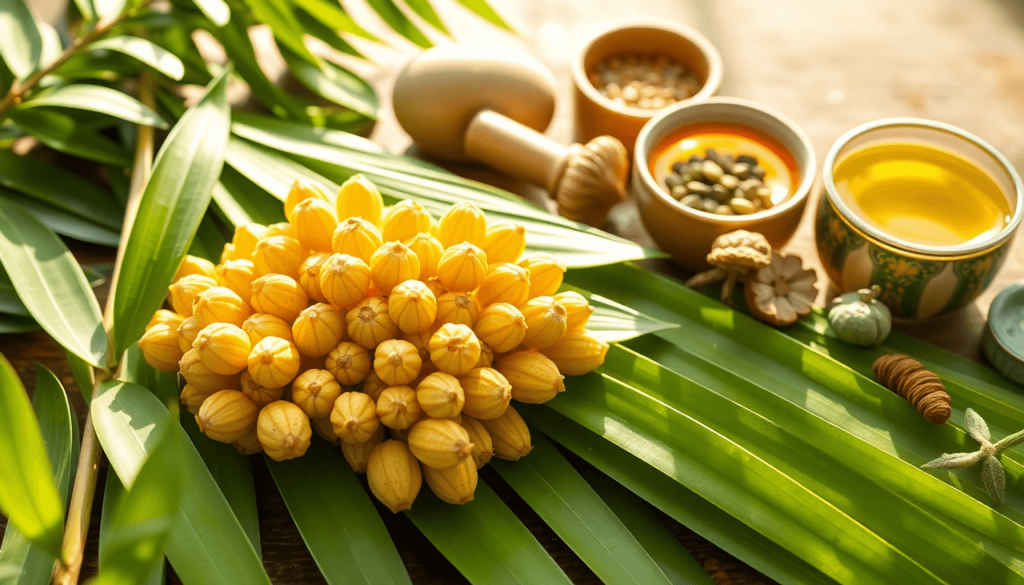
Moringa, known as Nature’s Multivitamin, has deep roots in Indonesia’s cultural tapestry. This superfood is gaining global acclaim for its exceptional nutritional profile and health benefits.
In this article, we will delve into the wonders of Moringa, exploring its nutrient powerhouse, its significant role in enhancing wellbeing and vitality, and its traditional uses deeply ingrained in Indonesian culture.
Join us on a journey to uncover why Moringa stands as Indonesia’s answer to wellness, offering a natural solution to various health challenges while honoring age-old traditions.
The Nutritional Powerhouse: Moringa’s Impressive Profile
Moringa is a nutritional powerhouse, packed with an impressive range of vitamins, minerals, antioxidants, amino acids, and protein. This wide variety of nutrients is why it’s often called nature’s multivitamin, making it a versatile ingredient in teas, oils, capsules, and various food products.
Key Nutrients in Moringa
1. Vitamins
- Vitamin A (provitamin A carotenoids) supports vision and immune health.
- Vitamin C acts as a potent antioxidant and aids collagen synthesis.
- Vitamin E protects cells from oxidative damage and contributes to skin health.
2. Minerals
- Calcium content surpasses that found in milk per gram, vital for bone strength.
- Potassium helps regulate fluid balance and nerve signals.
- Iron levels exceed those in beef and spinach, essential for oxygen transport in blood.
3. Protein & Amino Acids
Moringa leaves contain between 10.74% to over 30% protein by dry weight. They provide all nine essential amino acids necessary for tissue repair and enzymatic functions.
4. Antioxidants
Polyphenols, flavonoids, carotenoids, glucosinolates, and phenolic acids contribute to Moringa’s strong antioxidant profile. These compounds combat free radicals that cause cellular damage and inflammation.
Bioavailability of Nutrients
Moringa’s nutrients are highly bioavailable, meaning your body can absorb and utilize them efficiently. The leaf powder form preserves these nutrients well, which explains why traditional preparations such as teas or capsules retain their health benefits. The presence of unsaturated fatty acids like α-Linolenic acid (omega-3) also enhances nutrient absorption and supports cardiovascular health.
This combination of rich nutrients with excellent bioavailability makes Moringa an exceptional dietary addition for enhancing overall nutrition—whether through simple leaf teas brewed in Indonesian households or modern supplements marketed globally.
Moringa for Enhanced Wellbeing and Vitality
Moringa is a nutrient-rich plant that offers more than just basic nutrition. It provides numerous health benefits that promote overall wellbeing and vitality. Here are the main reasons why Moringa is beneficial:
1. Combat Malnutrition
Moringa’s high nutrient content makes it an effective tool in fighting malnutrition, particularly in areas where access to a variety of foods is limited. Its abundant vitamins, minerals, and protein can help address critical nutritional deficiencies in diets.
2. Boost Immunity
Moringa has well-known immune-boosting properties due to its abundance of antioxidants and bioactive compounds. Consuming Moringa regularly may strengthen the body’s defense mechanisms against infections and diseases.
3. Increase Energy Levels
The iron content in Moringa contributes to its ability to boost energy levels by facilitating oxygen transport and energy production within cells. Including Moringa in your diet can help reduce fatigue and promote overall vitality.
4. Support Overall Wellbeing
In addition to specific health benefits, Moringa supports overall wellbeing by supplying essential nutrients necessary for various bodily functions. It promotes bone health with calcium and aids muscle function with potassium, making Moringa a comprehensive wellness enhancer.
Scientific studies have confirmed the effectiveness of Moringa in promoting these health benefits, reinforcing its reputation as a superfood. To fully enjoy the benefits of Moringa, it’s important to include it as part of a balanced diet. Whether consumed fresh, dried, or as a supplement, Moringa’s versatility allows for easy incorporation into different dishes for optimal results.
Moringa’s Role in Maternal and Child Health: A Natural Solution from Indonesia
Moringa has become an important part of maternal health and child health strategies, especially in rural communities of Indonesia. Its nutrient-rich profile directly meets the specific nutritional needs during pregnancy, breastfeeding, and early childhood development.
Benefits for Mothers
1. Enhanced Lactation
In traditional Indonesian practices, Moringa leaves and leaf powder are used to increase breast milk production. Scientific studies have confirmed that Moringa stimulates prolactin secretion, leading to improved milk yield and quality.
2. Nutrient Support
Moringa is rich in iron and calcium, which helps combat anemia—a common maternal health issue—and supports bone strength during pregnancy.
3. Immune Support
The vitamins A, C, and E found in Moringa enhance the immune function of mothers, reducing the risk of infections during this vulnerable period.
Benefits for Children
1. Growth Promotion
Moringa contains complete proteins and essential amino acids that contribute to healthy growth in infants and children, addressing malnutrition challenges in certain regions of Indonesia.
2. Cognitive Development
The high levels of vitamin A and antioxidants in Moringa support brain development and vision health.
3. Disease Resistance
Regularly including Moringa in children’s diets helps strengthen their immunity, leading to fewer occurrences of common infections.
Cultural Significance
Moringa holds cultural significance beyond its nutritional benefits; it represents a heritage deeply connected to nurturing future generations. In many Indonesian villages, it is customary for mothers to consume Moringa soups or teas after giving birth. This tradition reflects a trust passed down through generations—Nature’s Multivitamin is not just a modern label but a lived reality.
Health-conscious consumers across Indonesia are increasingly recognizing Moringa as a natural solution based on ancestral wisdom. Its role goes beyond individual wellbeing; it strengthens community resilience by ensuring healthier mothers and children who form the backbone of society.
The incorporation of Moringa into everyday diets serves as both a practical means to improve maternal-child outcomes and a way to preserve Indonesia’s botanical heritage. This dual importance highlights why Moringa stands out as Indonesia’s solution for wellness at the most fundamental levels of life.
Harnessing Nature’s Power: Traditional Uses of Moringa in Indonesian Culture
Moringa has a long history in Indonesia, closely connected with traditional medicine and cultural practices. This resilient tree has been cultivated for centuries, becoming a staple not only for its nutritional value but also for its therapeutic properties recognized by indigenous healers.
Historical Background in Traditional Medicine
Indonesian communities have used various parts of the moringa tree—leaves, seeds, roots, and bark—to treat common ailments such as infections, inflammation, digestive issues, and skin conditions.
Traditional Jamu formulations often include moringa leaves or powders to enhance vitality and balance bodily functions. Its anti-inflammatory and antibacterial effects are well documented in these age-old treatments.
In many rural areas, moringa-based decoctions serve as natural tonics to support recovery after illness or childbirth.
Integration into Culinary Practices
The culinary use of moringa reflects its cultural significance beyond medicine:
- Fresh moringa leaves are commonly cooked as a vegetable or added to soups and stews. Their slightly bitter taste complements local flavors while boosting nutritional intake.
- Recipes such as sayur daun kelor (moringa leaf soup) showcase how moringa enriches Indonesian cuisine with vitamins and minerals.
- Drying and powdering moringa leaves allow families to store this superfood for year-round use, maintaining access even outside harvest seasons.
Rituals and Symbolism
Moringa holds symbolic meaning in ceremonies related to health and fertility:
- Some communities incorporate moringa leaves in offerings or blessings aimed at ensuring wellbeing for mothers and children.
- Passing down knowledge about moringa’s uses strengthens ties between elders and youth, preserving both tradition and practical health wisdom.
This deep-rooted cultural significance highlights why moringa remains an essential part of Indonesia’s natural heritage. Its traditional uses continue to inform modern wellness approaches embraced throughout the archipelago.
From Farm to Global Market: The Economic Impact of Moringa Cultivation in Indonesia
Moringa has emerged as a high-value crop that holds significant promise for small-scale farmers across Indonesia. Its adaptability to local climates, rapid growth, and minimal input requirements make it an attractive option for agricultural communities seeking sustainable income sources. For many farmers, cultivating moringa offers more than just a livelihood—it represents a pathway to economic empowerment and resilience.
Economic Potential for Small-Scale Farmers
Moringa cultivation presents several economic advantages for small-scale farmers in Indonesia:
- Low-cost cultivation: Moringa thrives with limited water and poor soil conditions, reducing dependency on expensive fertilizers and irrigation systems.
- Multiple revenue streams: Farmers can harvest leaves, seeds, and pods for various markets—nutritional supplements, cooking ingredients, cosmetics, and animal feed.
- Year-round harvesting: The fast growth cycle allows frequent harvesting, enhancing cash flow stability.
- Growing global demand: International interest in superfoods drives export opportunities, increasing the value of locally grown moringa.
Farmers who integrate moringa into their cropping systems benefit from diversified incomes while contributing to food security within their communities.
Promoting Sustainable Farming Practices
Several initiatives within Indonesia prioritize sustainable farming and ethical production standards in the moringa industry:
- Agroforestry models: Combining moringa trees with other crops enhances biodiversity, improves soil health, and reduces erosion.
- Organic certification programs: Supporting farmers to meet organic standards ensures product quality and access to premium markets.
- Fair trade partnerships: Linking smallholders with ethical buyers promotes equitable pricing and community development.
- Capacity building and training: Local organizations provide education on best practices for cultivation, harvesting, and post-harvest handling.
These efforts aim to create a responsible supply chain that balances economic growth with environmental stewardship and social welfare.
The rising presence of Indonesian moringa in the global market exemplifies how a traditional crop can evolve into a sustainable economic driver. This supports rural livelihoods while positioning Indonesia as a key player in the international wellness sector.
Embracing Innovation: The Future of Moringa as Nature’s Multivitamin from Indonesia
Moringa, with its exceptional nutritional profile, is not only gaining recognition for its health benefits but also for its potential in innovative product development. In the global market, we see a growing trend towards utilizing Moringa in skincare formulations and functional food applications, further solidifying its status as Nature’s Multivitamin.
Exploring Emerging Trends
Skincare Formulations
Moringa’s rich antioxidant content and anti-inflammatory properties make it a sought-after ingredient in skincare products. Its ability to promote skin rejuvenation and combat free radical damage has led to an upsurge in Moringa-infused creams, serums, and oils.
Functional Food Applications
As consumers seek natural and nutrient-dense options, Moringa is being incorporated into various functional food products such as energy bars, beverages, and supplements. Its versatility in enhancing the nutritional value of food items makes it a preferred choice for health-conscious individuals.
Innovative Approaches to Processing and Packaging
In response to the clean-label trend and consumer demand for transparency, innovators are exploring novel methods to process and package Moringa products:
- Cold-Press Extraction: By using cold-press techniques to extract Moringa oil and powders, manufacturers preserve the integrity of bioactive compounds and ensure maximum nutrient retention.
- Sustainable Packaging Solutions: Eco-conscious brands are opting for biodegradable packaging materials to reduce environmental impact. From compostable pouches to recyclable containers, sustainable packaging aligns with the ethos of Moringa as a natural wellness solution.
The future of Moringa as Nature’s Multivitamin from Indonesia lies in the realm of innovation. As industry players continue to explore new applications and sustainable practices, Moringa is poised to redefine wellness standards globally.
The Environmental Benefits of Cultivating Moringa Trees: A Sustainable Solution for Our Planet?
Examination of Environmental Advantages
- Large-scale Moringa cultivation contributes to soil enrichment, as the tree’s deep roots bring up essential nutrients from the subsoil, improving soil fertility over time.
- Moringa’s drought-resistant nature makes it a valuable crop in regions prone to water scarcity, requiring minimal irrigation compared to other crops.
- The fast growth rate of Moringa aids in reforestation efforts, providing a sustainable solution for restoring degraded lands and increasing green cover.
- By planting Moringa trees, communities can mitigate deforestation pressures by offering an alternative income source that does not rely on clearing forests.
Challenges and Criticisms
- Critics may argue that promoting Moringa as a singular solution for health and environmental issues oversimplifies complex problems and neglects the importance of diverse ecosystems.
- Depending too heavily on one crop could lead to monoculture farming practices, which may reduce biodiversity and increase vulnerability to pests and diseases.
By harnessing the environmental benefits of cultivating Moringa trees, Indonesia can pave the way for sustainable agriculture practices that not only promote human health but also contribute to environmental conservation efforts.
FAQs (Frequently Asked Questions)
Moringa is renowned as Nature’s Multivitamin due to its exceptionally rich nutrient profile, including high levels of vitamins A, C, E, essential minerals like calcium, potassium, and iron, as well as antioxidants, amino acids, and protein. Its bioavailable nutrients contribute significantly to its status as a powerful superfood with a long history of wellness use in Indonesia.
Moringa consumption offers multiple health benefits such as combating malnutrition, boosting immunity, increasing energy levels, and supporting overall wellbeing. Scientific studies validate these effects, highlighting Moringa’s role in improving nutritional status and vitality when incorporated into a balanced diet.
Moringa plays a vital role in maternal and child health by potentially improving breastfeeding outcomes and promoting healthy growth in infants and children. It holds cultural significance in Indonesian rural communities as a natural solution to nurture future generations through its rich nutritional content.
Historically, Moringa has been cultivated extensively in Indonesia where it holds an important place in traditional medicine systems. It is integrated into local culinary practices and rituals, reflecting its deep-rooted cultural importance as both a healing plant and a nutritious food source.