
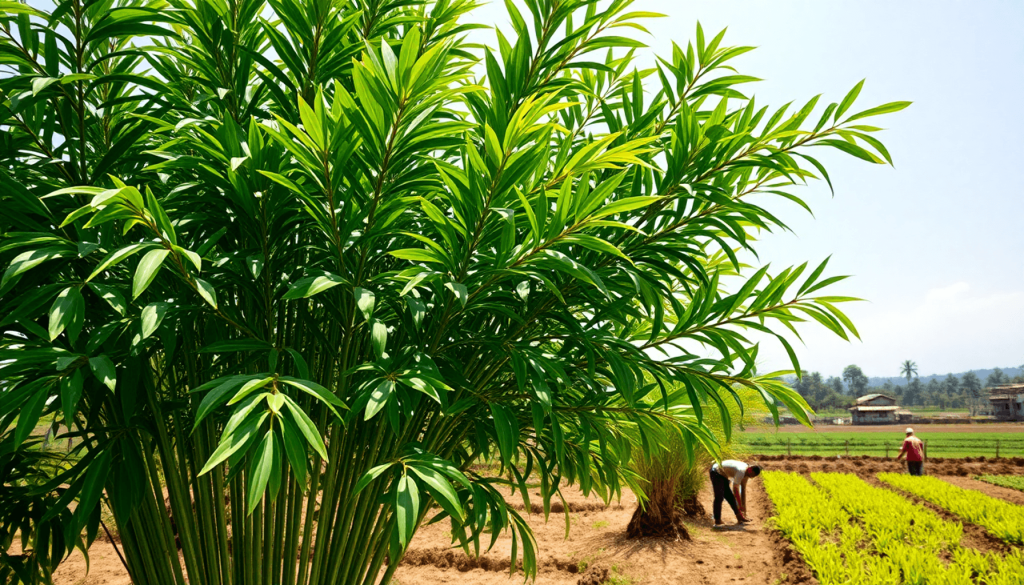
Indonesian Moringa, a sustainable superfood, is a versatile and nutrient-rich plant indigenous to Indonesia. Furthermore, this powerhouse superfood not only offers exceptional health benefits but also plays a crucial role in environmental sustainability and social empowerment.
Consequently, this introduction sets the stage for a deeper exploration of how Indonesian Moringa transcends its identity as a superfood to become a symbol of sustainability and empowerment in local communities.
The Origins and Traditional Uses of Moringa in Indonesia
Historical Background of Moringa Cultivation in Indonesia
Throughout history, Moringa has maintained a rich presence in Indonesia, where farmers have cultivated it for centuries. Moreover, Indonesian farmers have passed down traditional techniques for growing and harvesting Moringa through generations, ensuring the preservation of ancient wisdom.
Traditional Applications in Food, Medicine, and Local Remedies
In Indonesian cuisine, cooks commonly use Moringa leaves, adding a nutritious element to traditional dishes. Additionally, practitioners of traditional medicine utilize various parts of the Moringa plant for their therapeutic properties, creating natural remedies that communities have trusted for generations.
Cultural Significance of Moringa in Rural Indonesian Communities
Importantly, Moringa holds a special place in the culture of rural Indonesian communities. As a result, many villagers see it as a symbol of health, vitality, and sustainability within these communities.
Meanwhile, innovations in Moringa cultivation have allowed communities to preserve these traditional uses while simultaneously exploring new ways to incorporate this superfood into modern practices.
Moringa: A Sustainable Crop for the Environment
Notably, Moringa stands out as a drought-resistant plant, thriving in Indonesia’s diverse climates with minimal water requirements. Therefore, this adaptability makes it an ideal candidate for sustainable agriculture, especially in regions prone to erratic rainfall or dry spells. Furthermore, its resilience helps farmers maintain productivity even under challenging environmental conditions.
Additionally, the cultivation of Moringa significantly contributes to soil enrichment. Specifically, its deep roots improve soil structure by enhancing aeration and increasing organic matter content. Subsequently, these roots reduce soil erosion by stabilizing the land, particularly on slopes and degraded areas vulnerable to runoff. As a result, Moringa prevents erosion, supports long-term land fertility, and reduces the need for chemical fertilizers.
In reforestation efforts, moreover, Moringa plays a vital role in combating deforestation in Indonesia. Consequently, planting Moringa trees contributes to restoring forest cover on cleared or degraded lands. Additionally, the fast-growing nature of Moringa allows these areas to recover more quickly, providing habitat for wildlife and helping restore natural ecosystems.
Similarly, preserving Indonesia’s rich biodiversity and ecosystems aligns closely with promoting Moringa cultivation. Furthermore, the tree supports local flora and fauna by creating microhabitats and improving soil health. Thus, this encourages ecological balance, maintaining essential ecosystem services such as pollination and nutrient cycling. Therefore, as a multipurpose tree within sustainable agriculture systems, Moringa offers practical solutions for environmental conservation while supporting community livelihoods.
Moringa’s Nutritional Benefits and Economic Potential for Rural Communities
Researchers recognize Moringa oleifera as a nutritional powerhouse. Additionally, its leaves, seeds, and pods contain essential nutrients that communities pack with vital elements:
Nutritional Benefits of Moringa
Vitamins: Rich in vitamins A, C, and E, Moringa supports immune function, skin health, and vision.
Minerals: High levels of iron, calcium, and potassium contribute to bone strength, blood health, and cardiovascular function.
Antioxidants: Compounds like flavonoids and polyphenols protect cells from oxidative stress.
Protein: Moringa leaves provide a complete protein source with all nine essential amino acids.
Consequently, this exceptional nutritional profile makes Moringa invaluable in addressing malnutrition challenges in rural Indonesian communities. Furthermore, it provides affordable access to vital nutrients often lacking in local diets.
Economic Benefits of Moringa
Beyond nutrition, moreover, cultivating Moringa offers significant economic benefits for rural farmers:
- First, low input requirements reduce cultivation costs.
- Second, multiple product possibilities increase income streams: fresh leaves, dried powders, teas, oils, and snacks.
- Third, value-added processing empowers communities to participate in higher-margin markets.
- Finally, growing global demand for superfoods creates export opportunities that enhance local livelihoods.
Therefore, by integrating nutrition with economic potential, Moringa cultivation forms a cornerstone of sustainable development. Ultimately, it supports food security while generating income that strengthens rural economies across Indonesia.
Empowering Lives: The Social Impact of Indonesian Moringa Cultivation
Significantly, Moringa cultivation plays a critical role in addressing malnutrition in rural Indonesian communities. Since Moringa leaves and seeds contain essential vitamins and minerals, they provide an accessible, natural source of nutrients for populations often facing dietary deficiencies. Moreover, incorporating Moringa into daily meals helps combat vitamin A deficiency and iron-deficiency anemia, which are prevalent health issues in many rural areas. Consequently, this nutrient-dense superfood supports improved health outcomes, particularly for children and pregnant women.
Furthermore, supporting small-scale farmers represents another significant social benefit linked to Moringa farming. Many farmers engage in cultivating Moringa as an alternative or complementary crop to traditional agriculture, benefiting from its low maintenance and high yield potential. Additionally, communities have introduced fair trade practices within the Moringa sector to ensure farmers receive equitable compensation for their products. As a result, these practices empower farmers economically by providing stable income streams, access to new markets, and investment in sustainable farming techniques.
Meanwhile, economic benefits extend beyond cultivation. Local communities gain opportunities through processing Moringa into value-added products such as teas, powders, and oils. Therefore, this diversification fosters entrepreneurship and resilience among rural populations, reducing their vulnerability to economic shocks tied to conventional crops.
In summary, the key social impacts include:
- Addressing malnutrition: Nutrient-rich food source combating common deficiencies.
- Supporting small-scale farmers: Fair trade ensures fair income and market access.
- Economic benefits: Job creation through diversified product development.
Consequently, this social impact strengthens community welfare while promoting sustainable agricultural livelihoods across Indonesia’s rural landscape.
Women Empowerment and Job Creation through Moringa Farming
Importantly, women play a crucial role in Moringa farming initiatives, contributing significantly to poverty reduction, women empowerment, job creation, and income generation within local communities. Therefore, here are the key points to consider:
1. Exploring the Role of Women
First, women actively participate in all stages of Moringa cultivation, from planting and harvesting to processing and marketing. Additionally, by empowering women in these roles, Moringa farming not only provides economic opportunities but also promotes gender equality and social inclusion.
2. Job Creation Opportunities
Moreover, Moringa farming creates job opportunities for women in rural areas where employment options may often be limited. Furthermore, through training programs and capacity-building initiatives, women acquire valuable skills that enhance their employability and contribute to the growth of the local economy.
3. Income Generation for Local Communities
Additionally, the involvement of women in Moringa farming leads to increased household income, improving living standards and enhancing overall community well-being. Furthermore, by diversifying sources of income through Moringa cultivation, communities can become more resilient to economic fluctuations and external challenges.
Innovating for a Sustainable Future: The Global Demand for Moringa-Based Products
Notably, the rising global demand for natural superfoods like Indonesian Moringa demonstrates the increasing awareness of consumers towards sustainable and nutritious food choices. Moreover, with its exceptional nutritional profile and eco-friendly cultivation practices, Moringa has gained popularity across various markets worldwide.
Ensuring Equitable Benefits through Fair Trade Practices
Furthermore, promoting fair trade and ethical practices in the industry remains essential to ensure that Moringa benefits reach both producers and consumers equitably. Additionally, by adhering to fair trade principles, stakeholders can support small-scale farmers in Indonesia, promote sustainable farming methods, and guarantee a transparent supply chain.
Shaping the Future of Agriculture with Sustainable Superfood
Consequently, Sustainable Superfood: The Environmental and Social Impact of Indonesian Moringa plays a crucial role in shaping the future of agriculture by highlighting the importance of environmentally friendly practices and community empowerment. Therefore, as the demand for Moringa-based products continues to grow, it becomes imperative to prioritize ethical standards and sustainability in every step of the production process.
From Farm to Market: Ensuring Quality and Sustainability in Indonesian Moringa Production
Fundamentally, sustainable farming forms the backbone of high-quality Indonesian Moringa production. Additionally, adopting eco-friendly agricultural practices ensures that Moringa crops meet the stringent quality standards that international export markets demand. Moreover, these methods emphasize minimal use of chemical fertilizers and pesticides, promoting organic cultivation to preserve the natural integrity of the plant.
Specifically, key sustainable farming practices include:
- Crop rotation and intercropping to maintain soil fertility and reduce pest outbreaks.
- Water-efficient irrigation techniques that conserve scarce water resources without compromising plant health.
- Use of natural composts and biofertilizers, enhancing soil structure and nutrient availability sustainably.
Similarly, careful harvesting and post-harvest handling remain equally critical for maintaining product quality. Therefore, farmers must collect leaves, seeds, and pods at optimal maturity stages, then dry and process them under hygienic conditions to retain nutritional value and freshness.
Furthermore, strict adherence to sustainability principles also addresses environmental concerns such as soil erosion, biodiversity preservation, and reduction of carbon footprint throughout the supply chain. Consequently, this holistic approach not only guarantees superior product quality but also strengthens Indonesia’s reputation as a reliable source of ethically produced Moringa.
Therefore, by integrating sustainable farming with quality control measures, Indonesian producers can consistently deliver premium Moringa products that satisfy global consumer expectations while protecting local ecosystems.
Indonesia as a Global Leader in Moringa Exportation: Education, Partnerships, and Future Prospects
Currently, Indonesia is quickly becoming a global leader in producing and exporting high-quality Moringa products. Moreover, this success stems from strategic investments in education and partnerships that strengthen the entire process—from farming to international markets.
Specifically, key factors shaping Indonesia’s leadership include:
- Educational programs focused on sustainable agriculture techniques, quality control, and product innovation. Furthermore, these initiatives equip farmers and producers with advanced skills necessary to meet stringent global standards.
- Collaborative efforts between government agencies, research institutions, and private enterprises. Additionally, such partnerships drive technological advancements, enhance product diversification, and expand market access.
- Promotion of fair trade practices and organic certification to build consumer trust worldwide.
Meanwhile, the future looks bright for the Indonesian Moringa industry:
- Expansion into new global markets driven by rising demand for natural superfoods.
- Increased investment in value-added processing facilities enabling diverse products like supplements, cosmetics, and functional foods.
- Strengthened community empowerment through continuous training and capacity building will ensure sustainable growth and social impact remain central.
Ultimately, Indonesia’s dedication to education and collaboration creates a strong foundation for long-term success in the global Moringa market—solidifying its position not just as a supplier but also as an innovator of Sustainable Superfood: The Environmental and Social Impact of Indonesian Moringa.
FAQs (Frequently Asked Questions)
Indonesian Moringa earns recognition as a sustainable superfood due to its drought-resistant nature, ability to enrich soil, and contribution to reforestation efforts. Furthermore, it supports environmental sustainability by combating deforestation and preserving biodiversity in Indonesia’s ecosystems.
Moringa maintains a rich historical background in Indonesia, where communities have traditionally used it in food, medicine, and local remedies. Additionally, it holds significant cultural importance in rural communities where it has served as an integral part of health and wellness practices for generations.
Indonesian Moringa boasts an exceptional nutritional profile, rich in vitamins A, C, and E; minerals such as iron, calcium, and potassium; antioxidants; and protein. Consequently, these nutrients contribute to improved health, wellness, and addressing malnutrition issues in rural areas.
Cultivating Moringa provides significant economic benefits for rural communities by creating job opportunities, supporting small-scale farmers through fair trade practices, empowering women, generating income, and reducing poverty through sustainable agriculture initiatives.