
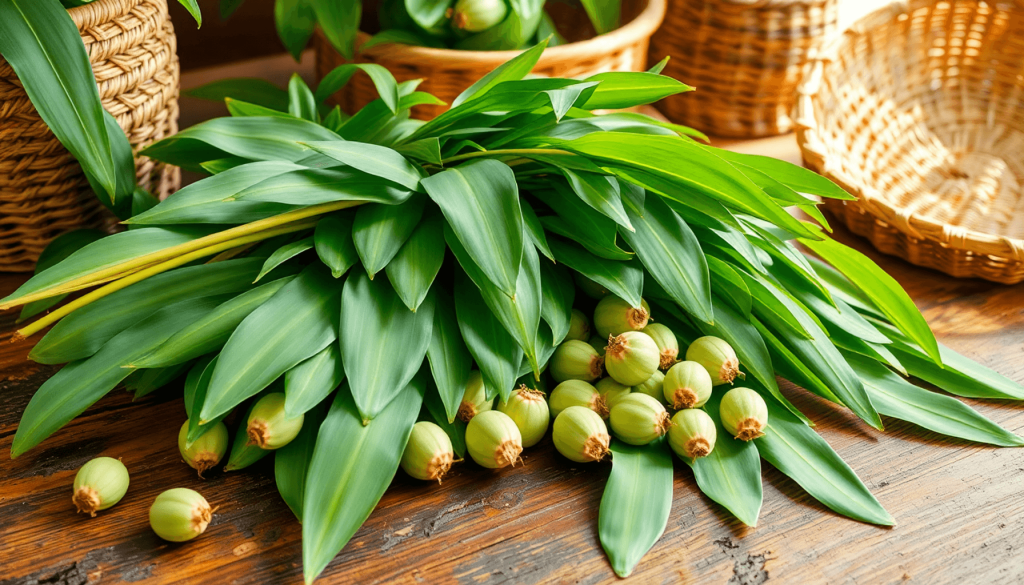
Moringa, also known as the Green Powerhouse, is a superfood that is gaining popularity worldwide for its incredible benefits to health, nutrition, and livelihoods. In Indonesia, Moringa is crucial in boosting immunity and overall well-being, leading to a healthier society. This amazing plant is not only improving lives locally but also gaining recognition globally. With its abundant nutrients and various advantages, Moringa is transforming our understanding of sustainable health solutions.
Moringa’s Origins and Cultural Significance in Indonesia
Historical Background of Moringa Cultivation in Indonesia’s Rich Biodiversity Context
Moringa has been cultivated in Indonesia for centuries, thriving in the country’s diverse ecosystems. Its adaptability to different climates and soil types has made it a staple crop for many communities.
Traditional Roles of Moringa in Indonesian Medicine and Nutrition
In Indonesian traditional medicine, various parts of the Moringa plant are used to treat ailments due to their perceived medicinal properties. The leaves are often brewed into teas or incorporated into dishes for their nutritional benefits.
Cultural and Social Importance of Moringa within Indonesian Communities
Moringa holds a special place in Indonesian culture, symbolizing vitality and health. It is often planted near homes as a source of nutrition and natural remedies.
Integration of Moringa in Local Cuisine and Customs
Indonesians have creatively integrated Moringa into their cuisine, adding its nutrient-rich leaves to soups, salads, and stir-fries. This versatile ingredient not only enhances flavors but also provides essential vitamins and minerals.
By exploring these aspects of Moringa’s origins and cultural significance in Indonesia, we gain a deeper appreciation for its multifaceted role in shaping traditions, promoting health, and fostering community well-being.
A Nutritional Powerhouse: The Health Benefits of Moringa
Moringa stands out as a nutritional powerhouse, offering a wide array of health benefits that make it a valuable addition to diets. Here are some key points to consider:
1. Essential Vitamins and Minerals
Moringa leaves are packed with vital nutrients such as vitamins A, C, and E, essential minerals like iron, calcium, and potassium. These nutrients play crucial roles in supporting overall health and well-being.
2. Antioxidants
Moringa is rich in antioxidants that help combat oxidative stress and reduce inflammation in the body. These compounds contribute to the plant’s anti-inflammatory and anti-aging properties.
3. Essential Amino Acids
Moringa contains all nine essential amino acids that the body cannot produce on its own. These amino acids are the building blocks of proteins and play key roles in various physiological processes.
The combination of these nutritional elements in Moringa leaves makes it a potent source of health-promoting benefits for individuals of all ages. From boosting maternal health during pregnancy to supporting child growth and development, Moringa’s ethical production and diverse nutrient profile make it a valuable asset in promoting overall well-being.
Scientific Evidence Supporting Moringa’s Health Benefits
Summary of Research on Moringa Leaf Powder Effects
Scientific studies have shown that moringa leaf powder consumption can influence hematological profiles by modifying certain blood parameters without causing adverse effects. This indicates the potential of moringa in supporting overall blood health without any detrimental impacts.
Impact on Kidney Function under Metabolic Stress
Research on moringa seed extract has demonstrated its positive impact on kidney function, especially under conditions of metabolic stress induced by specific dietary habits. Studies have highlighted how moringa seed extract can reduce serum creatinine levels, improve kidney structure, and enhance antioxidant enzyme activity in kidney tissues.
Enhancement of Antioxidant Enzyme Activity
Moringa is known to enhance the activity of antioxidant enzymes such as superoxide dismutase (SOD), which play a crucial role in reducing oxidative stress and inflammation in the body. This effect showcases the potential of moringa in combating various health issues related to oxidative damage.
By exploring the scientific evidence supporting the health benefits of moringa, we gain valuable insights into how this ‘Green Powerhouse’ is making a difference in Indonesia and beyond.
Economic Empowerment Through Moringa in Indonesia
Moringa farming is an important sustainable livelihood source for many rural communities in Indonesia. Its ability to grow in different climates and low maintenance requirements make it an easy crop for smallholder farmers to cultivate. By growing moringa, these communities can earn a steady income that helps cover household expenses and improve their living conditions.
Job Creation Along the Moringa Value Chain
The impact of moringa farming goes beyond just the farmers. It also creates job opportunities at various stages of the moringa value chain:
- Cultivation: Farmers are involved in planting and harvesting moringa leaves, seeds, and pods.
- Processing: Local entrepreneurs set up facilities to dry, powder, and extract oil from moringa, adding value to the raw materials.
- Product Development: Small businesses create moringa-based supplements, teas, cosmetics, and health foods targeting both local and international markets.
Economic Empowerment for Women and Youth
Economic empowerment occurs when more people—especially women and youth—enter these sectors, acquiring skills and financial independence. The growth of moringa-related businesses boosts local economies by creating jobs and attracting investment in infrastructure.
Increased Resilience Through Diversification
Communities become more economically resilient as they explore different uses for moringa products. This diversification reduces dependence on traditional crops that are susceptible to climate change or market fluctuations. The rising demand for moringa products motivates farmers and producers to come up with new ideas and enhance quality, promoting sustainable development in rural Indonesia.
Sustainable Agriculture and Environmental Impact
Moringa stands out as a sustainable crop well-suited to Indonesia’s diverse and often challenging climates. Its natural drought-resistant qualities enable cultivation in areas prone to water scarcity, making it a reliable agricultural option amid changing weather patterns. This resilience reduces dependency on intensive irrigation, aligning with eco-friendly agriculture practices that aim to conserve water resources.
The plant’s deep root system plays a significant role in soil enrichment. By improving soil structure and increasing organic matter, moringa helps restore degraded lands commonly found in rural Indonesian regions. Farmers benefit from healthier soils that support not only moringa but also other crops, enhancing agricultural productivity without heavy reliance on chemical fertilizers.
Moringa cultivation contributes actively to reforestation efforts. Its fast growth rate allows for rapid canopy development, which aids in reducing soil erosion and restoring biodiversity. These environmental benefits address broader challenges such as deforestation and land degradation, supporting Indonesia’s goals for ecological restoration.
Benefits of Moringa for Sustainable Agriculture
- Drought tolerance minimizes crop failure risk during dry seasons
- Soil enrichment promotes sustainable land use and fertility
- Reforestation impact supports biodiversity and ecosystem recovery
By integrating moringa into farming systems, Indonesian communities engage in practices that mitigate environmental challenges while fostering long-term agricultural sustainability.
Innovation and Government Support for Moringa Development in Indonesia
Innovation plays a crucial role in unlocking the full potential of moringa as The Green Powerhouse: How Moringa Is Changing Lives in Indonesia. New product developments are transforming moringa from a traditional supplement into diverse marketable goods. Examples include:
- Moringa-infused beverages and teas targeting health-conscious consumers.
- Nutritional supplements and capsules standardized for consistent bioactive content.
- Cosmetic products harnessing moringa’s antioxidant and anti-inflammatory properties.
- Food products such as moringa flour incorporated into snacks and baked goods.
These innovations add value beyond raw leaves, creating new revenue streams for farmers and entrepreneurs while increasing consumer access to moringa’s benefits.
Government support underpins this growth by promoting moringa cultivation through various initiatives:
- Subsidies and training programs for smallholder farmers to improve yield and quality.
- Research funding focused on enhancing moringa varieties suited to Indonesian climates.
- Market development efforts encouraging export opportunities and domestic consumption.
- Public-private partnerships fostering innovation in product development and supply chain optimization.
Such coordinated efforts aim to position Indonesia as a global leader in moringa production, driving economic empowerment while sustaining the environmental advantages of this drought-resistant crop. The synergy between innovation and government backing accelerates moringa’s impact on health, nutrition, and livelihoods nationwide.
Raising Awareness About the Global Health Implications of Moringa Consumption
Awareness programs play a crucial role in educating local communities about the health benefits of moringa. By highlighting its nutritional value and medicinal properties, these campaigns can empower individuals to incorporate moringa into their diets and improve their overall well-being.
Furthermore, promoting moringa as a sustainable and affordable source of nutrition has the potential to address global malnutrition and chronic diseases. With its rich content of vitamins, minerals, and antioxidants, moringa supplementation can support vulnerable populations in meeting their dietary needs and combating prevalent health issues.
As the global market for superfoods continues to grow, it is essential to ensure that the benefits of moringa are accessible to those who need it most. By raising awareness about its potential impact on global health, we can encourage policymakers, healthcare providers, and communities to prioritize moringa as part of their strategies for improving nutrition and preventing diseases.
Conclusion
The impact of Moringa in Indonesia is clear: it’s more than just a plant, it’s a force for change.
Sustainable practices in Moringa farming and consumption are crucial for maintaining its positive effects on health, nutrition, and livelihoods in Indonesia.
Let’s work together to discover more about Moringa’s potential and support initiatives that promote sustainability for a better future.
By nurturing the growth of this incredible plant, we can witness its power to transform lives throughout Indonesia. The Green Powerhouse: How Moringa Is Changing Lives in Indonesia, let’s turn this vision into a sustainable reality.
FAQs (Frequently Asked Questions)
Moringa is dubbed the ‘Green Powerhouse’ due to its exceptional nutritional profile, rich in essential vitamins (A, C, E), minerals like iron, calcium, potassium, antioxidants, and amino acids. Its rising global reputation as a superfood stems from these health benefits and its positive impact on nutrition and livelihoods in Indonesia.
In Indonesia, Moringa has a historical presence within the country’s rich biodiversity. Traditionally, it has played vital roles in local medicine for its anti-inflammatory and anti-aging properties and is integrated into Indonesian cuisine and customs, reflecting its cultural and social significance.
Scientific studies have shown that moringa leaf powder positively affects hematological profiles without adverse effects. Additionally, moringa seed extract improves kidney function under metabolic stress and enhances antioxidant enzyme activity such as superoxide dismutase, which reduces oxidative stress and inflammation.
Moringa farming offers sustainable livelihood opportunities by creating jobs through cultivation, processing, and development of moringa-based products. This promotes economic empowerment among rural communities by fostering income generation and supporting local economies.