
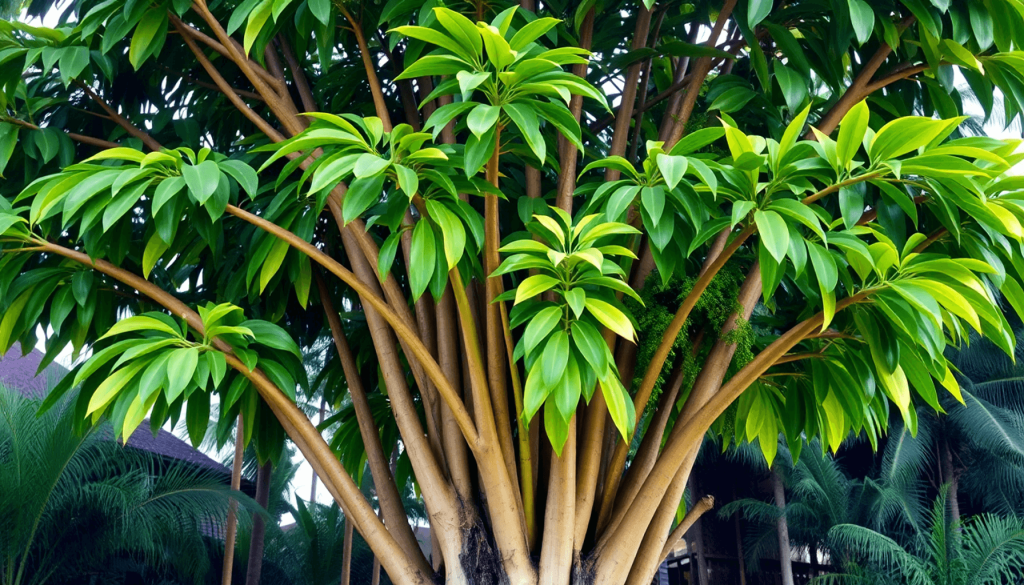
Introducing the Miracle Tree: Indonesian Moringa Is Transforming Modern Nutrition
Moringa, often referred to as the ‘Miracle Tree’, is thriving in Indonesia and gaining recognition as a superfood in today’s dietary trends. This discussion will delve into Moringa’s significant impact on nutrition, economy, and environment.
The Origins and Cultural Importance of Moringa in Indonesia
Moringa, locally known as daun kelor, has a deep-rooted history in Indonesian agriculture and culture. Though native to northern India, the tree found fertile ground in Indonesia’s tropical climate centuries ago. Historical records and oral traditions indicate moringa cultivation spread through trade routes and local adaptation, becoming a staple in both rural and coastal regions.
Uses of Moringa in Indonesian Communities
Indonesian communities have long integrated moringa into daily life with diverse uses:
- Local diets: Fresh leaves are commonly added to soups, stir-fries, and traditional dishes. The peppery flavor complements many recipes, providing an affordable source of vital nutrients.
- Traditional medicine: Moringa is valued in herbal remedies (locally called jamu), treating ailments such as inflammation, digestive issues, and infections.
- Daily rituals: In Bali and other areas, moringa plays a spiritual role—used in cleansing ceremonies to ward off negative energies.
Economic Impact on Rural Communities
Rural communities hold particular reverence for the tree. Smallholder farmers cultivate moringa not only for personal consumption but also as a sustainable cash crop. The rise of modern products like capsules and snacks made from moringa powder offers these farmers new income streams while preserving traditional knowledge.
Symbolism and Resilience
Cultural significance extends beyond nutrition; moringa symbolizes resilience and health. Its ability to thrive in challenging environments mirrors the spirit of many Indonesian villages where resourcefulness is essential. This connection between people and plant reinforces social bonds and sustains heritage through generations.
Moringa remains an emblematic bridge between Indonesia’s past traditions and emerging opportunities in global nutrition markets.
Nutritional Powerhouse: The Benefits of Moringa
Moringa, also known as “daun kelor” in Indonesia, stands out as a nutritional powerhouse, offering a myriad of benefits that make it a superfood worth incorporating into your diet. Let’s delve into the exceptional nutritional profile of Moringa and its associated health advantages:
1. Vitamins and Minerals
Moringa is packed with essential vitamins, including high levels of Vitamin A, known for promoting good vision and skin health, Vitamin C, a powerful antioxidant crucial for immune function, and Vitamin E, important for skin health and cell function. Additionally, it contains vital minerals like calcium for bone health, potassium for heart function and muscle contractions, and iron for red blood cell production.
2. Antioxidants
Moringa is rich in antioxidants such as beta-carotene and quercetin that help combat oxidative stress in the body, reducing the risk of chronic diseases and inflammation.
3. Amino Acids and Protein
Moringa is a complete protein source containing all nine essential amino acids necessary for muscle growth, repair, and overall body function. This makes it an excellent plant-based protein option for vegetarians and vegans.
4. Health Benefits
Consuming Moringa offers a wide array of health benefits:
- Combating malnutrition due to its dense nutrient composition
- Warding off illnesses and infections with its immune-boosting properties
- Supporting maternal and child health by providing essential nutrients during pregnancy and early childhood
- Reducing inflammation in the body, potentially aiding in the management of chronic conditions
5. Scientific Studies
Numerous scientific studies support the health benefits attributed to Moringa consumption. Research has shown its potential in improving nutritional status, enhancing immune function, and even exerting protective effects against certain diseases.
Incorporating Moringa into your daily diet can be a game-changer for your overall well-being. Its nutrient density and diverse health benefits make it a valuable addition to promote optimal health from within.
Moringa’s Role in Modern Nutrition Trends
Moringa: A Key Ingredient in Health-Conscious Diets
Moringa is becoming a key ingredient in health-conscious diets. More and more people are becoming aware of the nutritional benefits of Moringa, leading to its popularity among those who are health-conscious and looking for natural superfoods to improve their well-being. As a plant packed with nutrients, Moringa offers a wide range of essential vitamins, minerals, antioxidants, and protein, making it a valuable addition to various dietary plans.
Popular Forms of Moringa-Based Products
There are several popular forms of Moringa-based products available in the market:
- Powders
- Teas
- Oils
- Capsules
- Snacks
The versatility of Moringa allows it to be included in different types of food and drinks, appealing to various consumer preferences. Moringa powders are commonly used in smoothies, juices, and recipes to enhance nutritional content. Teas infused with Moringa offer a convenient way to enjoy its benefits while promoting overall wellness. Additionally, Moringa oils are sought after for their skincare properties and culinary uses. Capsules provide a convenient option for those seeking a concentrated dosage of Moringa’s nutrients. Snacks fortified with Moringa cater to on-the-go individuals looking for healthy and energizing options.
The Impact of Diversifying Moringa Consumption
By offering different ways to consume Moringa, the market has made this nutrient-rich plant accessible to a wider audience seeking functional foods that support their health goals. The versatile nature of Moringa products aligns with current wellness trends that prioritize natural ingredients and holistic approaches to nutrition and well-being.
As more people become interested in plant-based superfoods, Moringa stands out as a sustainable and nutritious choice for modern consumers striving for healthier lifestyles.
Economic Benefits for Small-Scale Farmers and Rural Communities
Moringa cultivation presents significant economic benefits for small-scale farmers and rural communities across Indonesia. Its adaptability to various climates and soils allows farmers in remote areas to grow the tree with minimal input costs. This low barrier to entry makes moringa an accessible crop, enabling many farmers to diversify income sources beyond traditional staples.
The global market for moringa-based products has expanded rapidly, driven by increasing consumer awareness of its health benefits. This surge in demand offers Indonesian farmers a valuable opportunity to tap into international trade networks. Exporting moringa powder, teas, oils, and capsules generates direct revenue streams that can uplift local economies.
Farmers often engage in community cooperatives or partnerships that improve their bargaining power and access to fair pricing. These structures facilitate better market integration and reduce exploitation by intermediaries. By positioning Indonesia as a global leader in quality moringa production, these rural communities gain recognition and sustainable livelihoods.
Economic empowerment through moringa cultivation contributes to poverty alleviation in several ways:
- Stable cash flow from consistent harvests
- Job creation in harvesting, processing, packaging, and distribution
- Skill development in agricultural practices and business management
Demand trends indicate continued growth potential, encouraging investment in infrastructure and training programs. Supporting small-scale farmers ensures that benefits from the booming moringa industry remain rooted in the communities where the tree is grown. This grassroots economic boost strengthens social resilience while promoting equitable development throughout Indonesia’s rural landscape.
Sustainable Agriculture: A Path Towards a Sustainable Future with Moringa
Moringa stands out as a sustainable crop with multiple environmental benefits that align well with efforts toward ecological balance and conservation. Its cultivation requires relatively low input compared to many conventional crops, supporting both the environment and farmers relying on natural resources.
Drought-Resistant Characteristics
One of the most valuable traits of Moringa is its drought-resistant nature. The tree thrives in arid and semi-arid regions where water scarcity limits other agricultural activities. This resilience allows it to grow successfully in areas prone to drought, providing a reliable source of nutrition and income without demanding excessive irrigation. For farmers facing unpredictable weather patterns caused by climate change, Moringa offers a practical solution that reduces dependency on water-intensive crops.
Soil Enrichment Capabilities
Moringa contributes to soil enrichment through its fast-growing biomass and leaf litter, which improve soil organic matter when decomposed. Its deep root system helps prevent soil erosion by stabilizing the ground. The tree’s ability to fix nitrogen indirectly enhances soil fertility, promoting healthier growth for surrounding plants. Small-scale farmers benefit from these natural soil-improving properties, reducing the need for chemical fertilizers and enhancing sustainable farming practices.
Role in Reforestation and Combating Deforestation
Cultivating Moringa can play a pivotal role in reforestation efforts across Indonesia. As deforestation threatens biodiversity and disrupts local climates, planting Moringa trees offers a dual advantage: restoring degraded lands while producing valuable nutritional resources. Moringa grows quickly and can be integrated into agroforestry systems that combine forest restoration with food production. This integration supports environmental conservation goals by increasing green cover, enhancing carbon sequestration, and providing habitats for wildlife.
Contribution to a Sustainable Future
By combining drought tolerance, soil enrichment, and reforestation potential, Moringa embodies qualities essential for building a sustainable future in agriculture. Its cultivation aligns with ecological stewardship while addressing food security concerns. Farmers who incorporate Moringa into their land management practices support biodiversity preservation and reduce pressure on vulnerable forest ecosystems.
The environmental advantages of Moringa make it more than just a superfood—it represents an opportunity for agriculture that respects natural cycles and promotes long-term sustainability.
Innovation and Ethical Production: Ensuring Quality Control in the Global Market for Indonesian Moringa Products
Innovation plays a critical role in elevating Indonesian moringa products to meet international standards. Advances in processing techniques directly affect the quality, potency, and shelf life of moringa-based goods such as powders, teas, oils, and capsules. For example:
- Cold-pressing methods for extracting moringa oil preserve delicate nutrients and antioxidants better than traditional heat extraction.
- Low-temperature drying technologies maintain the vibrant green color and nutrient density of moringa leaf powder, extending its freshness without chemical preservatives.
- Vacuum-sealed packaging reduces oxidation and moisture exposure, ensuring product integrity during long-distance shipping.
These innovations not only enhance consumer confidence but also open doors to premium global markets demanding high-quality superfoods.
Ethical production forms the backbone of sustainable growth within Indonesia’s moringa industry. Upholding fair trade principles throughout the supply chain ensures small-scale farmers and local communities receive equitable compensation for their labor and harvests. Key aspects include:
- Transparent sourcing agreements guaranteeing fair prices.
- Worker protections addressing health, safety, and fair wages.
- Community-driven initiatives reinvesting profits into local development projects like education and infrastructure.
This ethical approach builds trust among consumers increasingly concerned about social responsibility in food production. It also strengthens supply chains by promoting long-term partnerships rather than exploitative transactions.
The Miracle Tree: How Indonesian Moringa Is Transforming Modern Nutrition depends on this dual focus—innovation to meet rigorous quality expectations and ethics to empower those who cultivate it. Together, these factors secure Indonesia’s position as a reliable supplier of premium moringa products while supporting economic justice for rural farming communities.
Conclusion
Embracing Moringa means welcoming a superfood that transforms not only your nutrition but also supports global sustainability efforts. The Miracle Tree: How Indonesian Moringa Is Transforming Modern Nutrition reveals:
- Rich heritage and cultural significance: Moringa’s deep roots in Indonesian traditions highlight its value beyond just food—integral to medicine, rituals, and daily life.
- Exceptional nutritional profile: Loaded with vitamins A, C, E, essential minerals, antioxidants, and protein, Moringa combats malnutrition and enhances immune health effectively.
- Growing role in health trends: From powders to teas and oils, Moringa adapts seamlessly into modern diets focused on wellness.
- Economic empowerment: Cultivating Moringa offers small-scale farmers new income streams while addressing rural poverty.
- Environmental sustainability: Its drought resistance and soil-enriching qualities make it a champion crop for sustainable agriculture and reforestation.
- Innovation paired with ethics: Advanced processing techniques coupled with fair trade practices ensure high-quality products reach global consumers responsibly.
You hold the key to supporting a natural resource that nourishes bodies, uplifts communities, and preserves the planet. Explore how Indonesian Moringa can become part of your lifestyle—and contribute to a healthier future for all.
FAQs (Frequently Asked Questions)
Moringa, often referred to as the ‘Miracle Tree,’ is a nutrient-rich plant native to Indonesia. It has gained recognition for its exceptional nutritional profile and versatile uses in traditional diets, medicine, and daily life within Indonesian rural communities.
Indonesian Moringa is a powerhouse of vitamins A, C, and E, essential minerals such as calcium, potassium, and iron, antioxidants, amino acids, and protein. These nutrients contribute to combating malnutrition, boosting immunity, supporting maternal and child health, and providing anti-inflammatory effects.
Moringa is becoming a popular superfood ingredient among health-conscious consumers worldwide. It is available in various forms including powders, teas, oils, capsules, and snacks that promote wellness trends focused on immunity enhancement and maternal-child health.
Cultivating Moringa offers significant economic opportunities for small-scale farmers and rural communities in Indonesia by tapping into the growing global demand for Moringa-based products. This not only supports poverty alleviation but also positions Indonesia as a global leader in the market.