
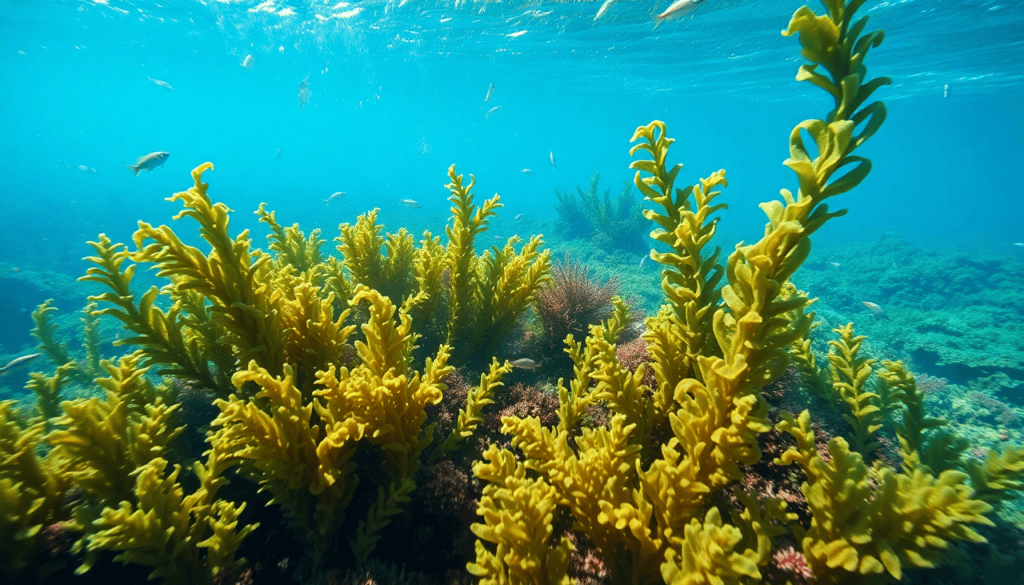
Seaweed plays a crucial role in aquaculture and marine ecosystems. As a versatile organism, it contributes significantly to:
- Nutrient cycling
- Habitat formation for diverse marine life
- Source of economic value through various products
The importance of seaweed extends into food production, particularly as hydrocolloids used in many consumables.
Since 2020, climate change and weather patterns have dramatically impacted seaweed seed production and quality. Rising sea temperatures, extreme weather events, and ocean acidification challenge the cultivation of key species like Kappaphycus and Eucheuma. These changes not only threaten seed viability but also alter the biochemical composition of seaweed, affecting its overall health and marketability.
Understanding these dynamics is essential for adapting practices in seaweed farming amidst evolving environmental conditions.
Current State of Seaweed Seed Production
Since 2020, there have been significant changes in seaweed production. Reports indicate a decline in seed production, with estimates showing a drop of approximately 20% across key regions. This reduction can be attributed to various factors, including adverse weather patterns and climate-related stressors.
Impact on Key Species
Key species such as Kappaphycus and Eucheuma have been most affected by these changes. These species are crucial for both local economies and global markets, often used in products like carrageenan, widely utilized in food processing. The decline in their seed production poses a threat not only to the species but also to the livelihoods of farmers who depend on them.
Importance of High-Quality Seeds
High-quality seeds are essential for successful cultivation in aquaculture. Quality influences growth rates, disease resistance, and overall yield. As environmental conditions fluctuate, ensuring access to robust seeds becomes increasingly vital. Farmers aiming for sustainable practices must prioritize quality seed sourcing to mitigate the challenges posed by climate change and weather variability.
The changing landscape of seaweed seed production emphasizes the need for adaptive strategies that enhance resilience within this vital sector.
Effects of Climate Change on Seaweed Cultivation
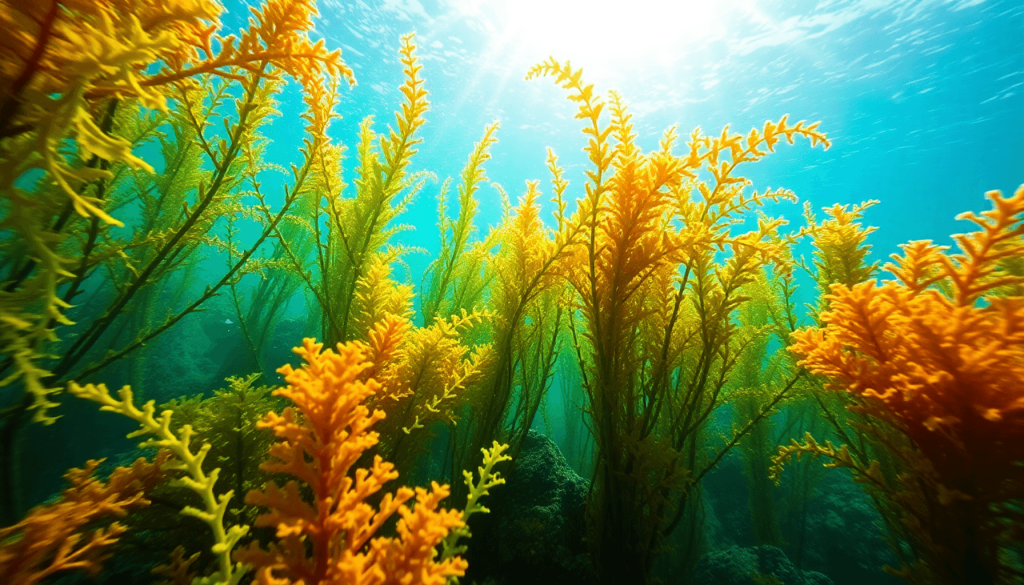
Impact of Rising Ocean Temperatures
Rising ocean temperatures significantly impact seaweed growth. Warmer waters can enhance initial growth rates but may lead to stress in certain species, disrupting reproduction and overall health.
Key effects of rising temperatures include:
- Altered Growth Patterns: Species such as Kappaphycus and Eucheuma exhibit decreased productivity under prolonged high-temperature exposure.
- Increased Metabolism: Higher temperatures can accelerate metabolic processes, but excessive heat often results in thermal stress, hampering growth.
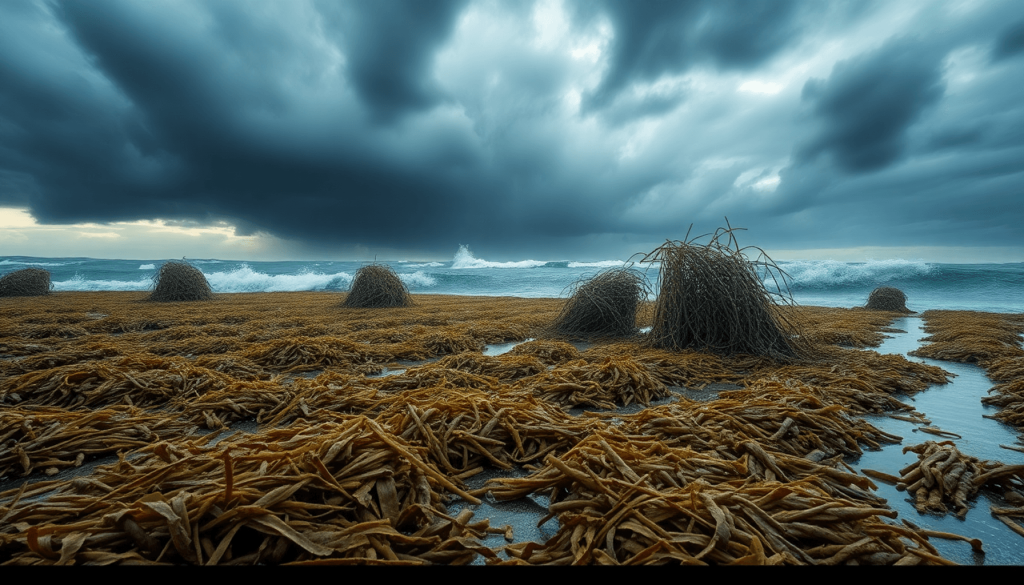
Challenges from Extreme Weather Events
Extreme weather events pose another challenge. The increased frequency of storms and heatwaves wreaks havoc on seaweed farms:
- Physical Damage: Storms can uproot cultivated seaweed, causing direct loss of biomass.
- Disruption of Cultivation Cycles: Heatwaves can lead to unfavorable conditions for seedling development.
Effects of Ocean Acidification
Ocean acidification further complicates the scenario. As CO2 levels rise, seawater becomes more acidic, affecting seaweed health:
- Reduced Photosynthesis: Acidic conditions can impair photosynthesis, essential for growth and nutrient uptake.
- Impact on Calcium-Based Structures: Certain seaweeds that rely on calcium for structural integrity may weaken, compromising their survival.
These environmental stressors necessitate a reassessment of cultivation practices to ensure the sustainability of the seaweed industry amid changing climates.
Changes in Seed Quality Due to Environmental Stressors
climate change significantly impacts the quality of seaweed seeds, introducing various environmental stressors that alter their development and viability. Key factors include:
- Alterations in Biochemical Composition: Rising temperatures can lead to changes in the biochemical makeup of seaweed species. This affects essential compounds like polysaccharides, which are crucial for the health and growth of seedlings.
- Impact of Salinity Fluctuations: Variability in salinity levels due to increased rainfall or evaporation can compromise seed viability. High salinity can hinder osmoregulation, leading to lower growth rates and reduced seed quality.
- Emergence of Diseases: Climate-related stresses have facilitated the rise of diseases such as ice-ice disease. This condition, characterized by necrotic lesions on seaweed, is exacerbated by temperature fluctuations and nutrient imbalances, further threatening seed production.
Each of these elements contributes to a decline in seed quality, impacting cultivation success and productivity. Addressing these challenges requires innovative strategies to enhance resilience among seaweed farmers.
Adaptation Strategies for Seaweed Farmers
Seaweed farmers face significant challenges due to climate change, requiring effective adaptation strategies. Key approaches include:
1. Early Harvesting Practices
Farmers are adopting early harvesting techniques to minimize losses from diseases that thrive in warmer waters. By collecting seaweed before peak temperatures are reached, they can reduce exposure to pathogens like ice-ice disease.
2. Innovations in Cultivation Techniques
Emphasizing resilience, many farmers are exploring advanced cultivation methods. This includes the use of floating rafts and integrated multi-trophic aquaculture (IMTA), which enhances biodiversity and stability within growing systems. These innovations can increase productivity while mitigating the impacts of environmental stressors.
3. Importance of Research and Development
Ongoing research is crucial for sustainable practices in seaweed farming. Understanding the biochemical responses of seaweed to changing conditions helps farmers make informed decisions. Collaborations with research institutions can lead to the development of new strains that are more resilient to stressors, ensuring long-term viability.
These strategies not only enhance resilience but also emphasize the importance of adaptability in the face of a rapidly changing climate.
Economic Implications of Reduced Seed Quality
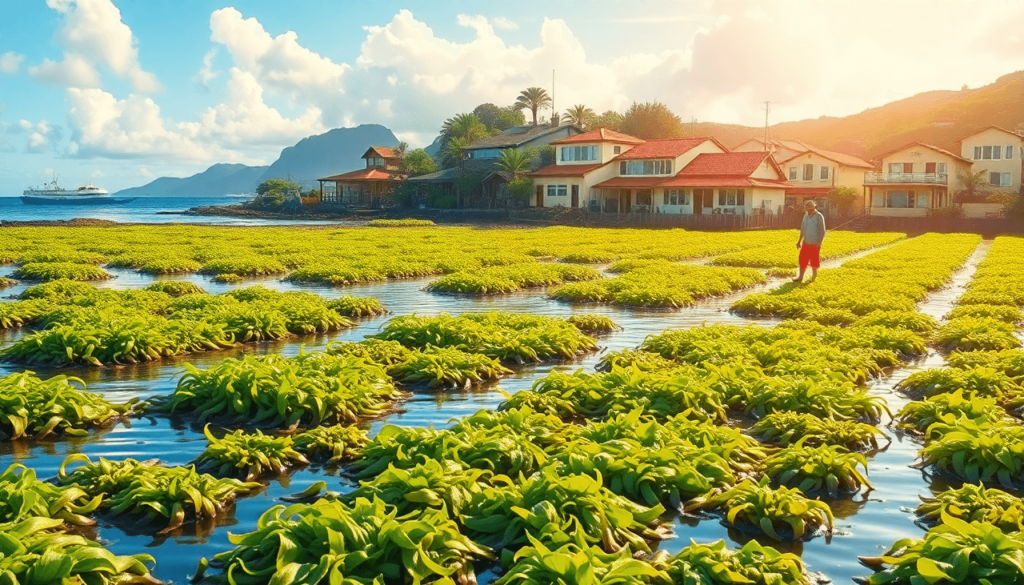
The decline in seaweed seed quality has significant economic ramifications for farmers and local economies. Key points to consider include:
1. Financial impact on farmers
Lower yields and diminished quality directly affect the profitability of seaweed farming. Farmers rely on high-quality seeds to achieve optimal growth. Reduced seed viability can lead to increased costs associated with replanting, labor, and disease management.
2. Local economies
Many coastal communities depend heavily on seaweed farming as a source of income. The decline in seed quality threatens not only the livelihoods of individual farmers but also the broader economic stability of these communities. A decrease in production can reduce employment opportunities and limit revenue for local businesses that support the industry.
Market consequences arise from these economic challenges. As supply diminishes due to poor seed quality, market prices may fluctuate, leading to greater volatility within the seaweed sector. Consumers may face higher prices for seaweed-derived products, impacting demand. This cycle of reduced availability and increasing costs highlights the urgent need for strategies that bolster both seed quality and overall production resilience in the face of climate change.
Contributions from Stakeholders Towards Climate Resilience in the Seaweed Industry
The role of stakeholders is critical for maintaining the resilience of the seaweed industry amidst challenges posed by climate change and weather patterns.
1. Kementerian Kelautan dan Perikanan (KKP)
This Indonesian government agency plays a pivotal role in supporting farmers’ adaptation efforts. KKP provides resources, training, and guidelines to help seaweed farmers implement sustainable practices. By facilitating access to financial aid and technology, KKP empowers farmers to adapt to changing environmental conditions.
2. BRIN (Badan Riset dan Inovasi Nasional)
As a key research institution, BRIN contributes significantly to understanding the impacts of climate change on seaweed production. Through scientific research and innovation, BRIN helps identify resilient seaweed strains and effective cultivation techniques. Their findings inform policymakers and farmers about best practices for mitigating the adverse effects of climate change on seaweed seed production and quality.
These collaborations between government agencies like KKP and research institutions such as BRIN are essential for enhancing the adaptive capacity of the seaweed sector. The integration of practical solutions derived from research into everyday farming practices can significantly improve resilience in an industry facing unprecedented challenges since 2020.
Future Directions for a Sustainable Seaweed Industry Post-Climate Impacts
Strategies for enhancing sustainability in the seaweed industry are critical. Key approaches include:
- National Downstream Program (Hilirisasi rumput laut nasional): This initiative aims to optimize the seaweed value chain, ensuring that raw materials are effectively processed into high-value products.
- Innovative Cultivation Techniques: Implementing new methods such as integrated multi-trophic aquaculture can improve resilience against climate impacts and enhance production efficiency.
- Collaboration Among Stakeholders: Strengthening partnerships between farmers, government agencies, and research institutions fosters a supportive environment for sharing knowledge and resources.
These collaborative efforts not only address environmental challenges but also create a more robust framework for the future of seaweed farming. Enhanced communication among all stakeholders will facilitate the development of resilient practices tailored to changing climatic conditions.
Conclusion
The challenges posed by climate change and weather patterns since 2020 require adaptive strategies for seaweed farming at both the farm and policy levels. Key focus areas include:
- Implementing climate adaptation strategies that enhance resilience in cultivation practices.
- Encouraging research and development to innovate sustainable techniques for seed production.
- Raising consumer awareness about the importance of sustainable sourcing practices.
Support from stakeholders, including government agencies and research institutions, is crucial for creating an environment where seaweed farming can thrive despite environmental challenges. The long-term success of the seaweed industry depends on collaborative efforts to secure its future. By addressing these issues, we can effectively manage the impacts of climate change and weather on seaweed seed production and quality, leading to a more sustainable future.
FAQs (Frequently Asked Questions)
Since 2020, climate change has significantly impacted seaweed seed production by altering weather patterns, leading to rising ocean temperatures, increased frequency of extreme weather events, and ocean acidification. These changes have resulted in lower seed quality and reduced overall production.
Key species affected by climate change include Kappaphycus and Eucheuma. These species are crucial for aquaculture due to their economic importance and role in marine ecosystems.
Rising ocean temperatures can hinder seaweed growth by stressing the plants, altering their biochemical composition, and affecting their overall health. This can lead to decreased yields and lower quality produce.
Seaweed farmers can adopt several adaptation strategies, including early harvesting practices to prevent losses from diseases like ice-ice disease, innovations in cultivation techniques to enhance resilience, and engaging in research and development for sustainable farming practices.
Reduced seed quality can have significant financial impacts on farmers due to lower yields. This decline can also affect local economies that rely on seaweed farming, leading to potential market consequences and decreased livelihoods.
Pingback:Global Competition And Limited Market Access Are Challenges For Indonesian Seaweed Businesses. - Indonesia Supplier
Pingback:The Utilization Of New Seaweed Cultivation Land Has Only Reached 0.8% Of The Total Potential Of 12 Million Hectares. - Indonesia Supplier