
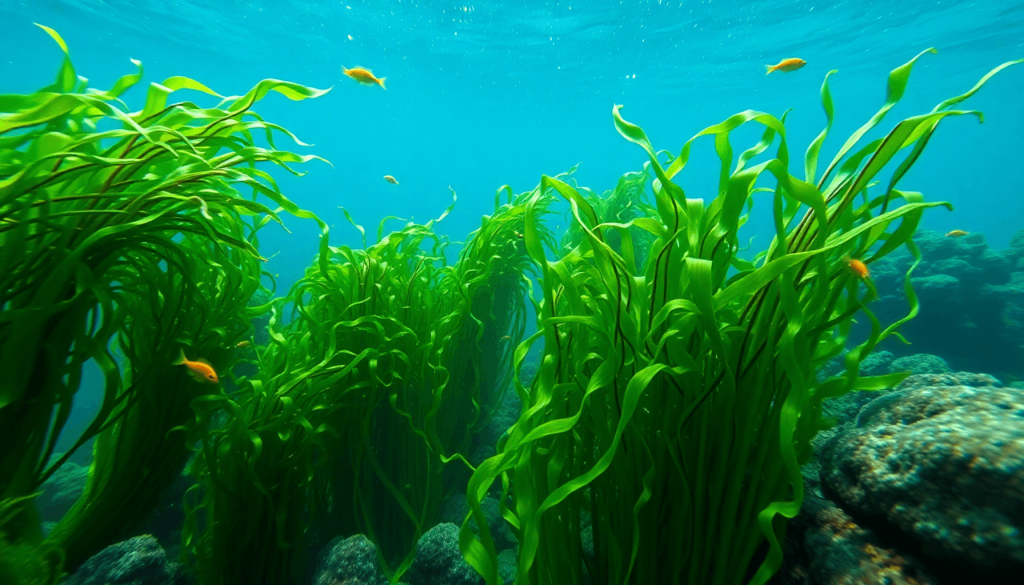
Indonesia is the second-largest producer of seaweed in the world, making it a key player in the global seaweed market. This achievement demonstrates the country’s great potential for growing seaweed.
However, Indonesian seaweed businesses face several challenges, such as:
- Strong competition from major producers like China and the Philippines.
- Limited access to markets, making it hard for local producers to reach larger audiences.
- Transportation difficulties and high costs affecting remote coastal areas.
These challenges not only hinder the growth of individual businesses but also have an impact on the overall development of the industry. It is crucial to address these issues in order to ensure that Indonesia can stay competitive in the ever-changing seaweed industry.
Global Competition in the Seaweed Industry
Indonesia holds a significant position as the world’s second-largest seaweed producer, contributing to over 10% of global production. The country’s diverse marine ecosystem favors the cultivation of various seaweed species, which are highly sought after in international markets. Despite this advantage, Indonesian seaweed businesses face fierce competition from major producers such as China and the Philippines.
Competitors in the Seaweed Industry
- China: The leading producer, dominates the market with its extensive farming practices and advanced processing technologies. Chinese exports benefit from economies of scale, allowing them to offer competitive pricing.
- Philippines: As a close competitor, the Philippines has made strategic advancements in cultivating high-value seaweeds like carrageenan. Their established supply chains and growing international partnerships pose challenges for Indonesia’s market share.
Challenges for Indonesian Businesses
Challenges for Indonesian businesses in maintaining competitiveness include:
- Quality Control: Ensuring consistent quality to meet international standards remains a hurdle. Certification processes can be lengthy and costly, deterring some producers from exporting.
- Innovation: Adapting to trends in product development is essential. Without investments in research and development, Indonesian seaweed products may struggle to stand out against innovative offerings from competitors.
Navigating these competitive pressures requires not only a focus on quality and innovation but also strategic partnerships that enhance distribution capabilities. Recognizing these factors will be crucial as Indonesian seaweed businesses aim to solidify their presence in the global market.
Limited Market Access for Indonesian Seaweed Businesses
Indonesian seaweed businesses face significant challenges in reaching broader markets, primarily due to logistical constraints. The archipelagic nature of Indonesia complicates the transportation of goods from remote coastal areas to urban centers and export facilities. In many cases, this results in delays and inefficiencies that hinder market access.
High transportation costs exacerbate these issues, particularly affecting producers located in isolated regions. As a result, many small-scale farmers find it difficult to compete on price with larger producers who benefit from economies of scale. The heavy reliance on maritime transport further contributes to rising costs, impacting profitability and limiting opportunities for expansion into lucrative markets.
Another critical factor is the limited number of buyers in both domestic and international markets. Although interest in seaweed continues to grow globally, Indonesian producers often struggle to connect with potential buyers due to a lack of marketing channels and exposure. Additionally, the development of nascent local markets compounds these difficulties; there is insufficient infrastructure and support for local consumption of seaweed products.
- Logistical challenges restrict market reach
- High transportation costs deter small-scale producers
- Limited buyer networks hinder growth opportunities
Addressing these barriers is essential for the sustainability and growth of the Indonesian seaweed industry. Solutions must prioritize improving logistics and creating more robust market connections for local businesses.
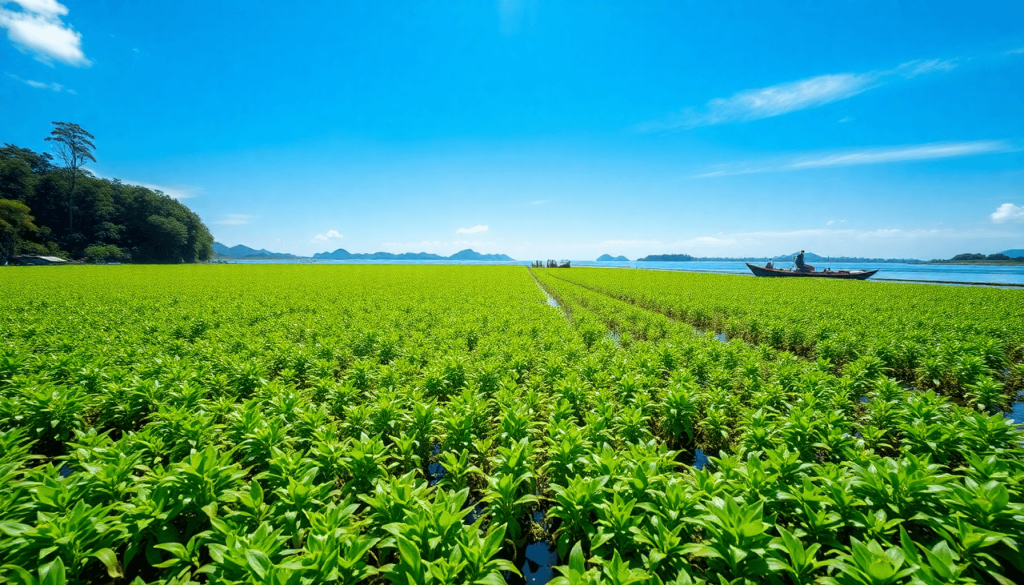
Impact on Indonesian Seaweed Farmers and Businesses
The challenges faced by Indonesian seaweed farmers significantly impact their livelihoods.
1. Price Volatility
Fluctuations in seaweed prices create uncertainty for farmers. This volatility can lead to:
- Inconsistent income streams, making financial planning difficult.
- A lack of investment in sustainable practices or technology, which could enhance productivity.
2. Certification Challenges
Securing necessary certifications for international markets poses additional obstacles. Many farmers encounter the following issues:
- Complex certification processes that require time and resources.
- Limited access to information regarding standards needed for export, leading to missed opportunities in lucrative global markets.
These factors contribute to a precarious situation for many seaweed businesses in Indonesia. As they grapple with both price instability and certification hurdles, the potential for growth remains hampered. Addressing these challenges is crucial for enhancing the economic viability of seaweed farming and ensuring the continued success of Indonesian businesses within the competitive landscape of the global market.
Ralali’s Role in Addressing Market Access Challenges for Indonesian Seaweed Businesses
Ralali is recognized as Indonesia’s largest B2B platform, playing a crucial role in supporting the seaweed sector. This platform provides essential market access solutions, enabling seaweed producers to navigate the complexities of both local and international markets effectively.
Ralali Marketplace
Access Opportunities
The Ralali Marketplace connects seaweed producers with various industries, enhancing their visibility and opportunities for sales.
Product Distribution
Producers can list their seaweed products, reaching potential buyers across diverse sectors such as food production, cosmetics, and pharmaceuticals.
Streamlined Processes
By offering an end-to-end solution, Ralali simplifies procurement processes, making it easier for businesses to transition from raw material sourcing to final product distribution.
The platform not only addresses logistical hurdles but also enhances overall competitiveness in the seaweed market. By leveraging technology, Ralali empowers Indonesian seaweed businesses to overcome challenges associated with limited market access.
This support extends beyond mere connectivity; it fosters innovation and collaboration among producers, suppliers, and buyers. As a result, seaweed entrepreneurs gain the tools needed to thrive in a competitive landscape while ensuring their products meet market demands.
By facilitating access to broader markets and streamlining business operations, Ralali stands at the forefront of transforming Indonesia’s seaweed industry. The emphasis on creating value through strategic partnerships contributes significantly to the growth potential within this vital sector.
Innovative Solutions Offered by Ralali to Overcome Global Competition and Limited Market Access Issues in the Indonesian Seaweed Industry
Ralali is leading the way in finding solutions to challenges faced by Indonesian seaweed businesses. One of the key initiatives is Ralali Plus, a funding solution specifically designed for the growth of seaweed enterprises. This program offers financial support that allows producers to invest in necessary resources and technologies, making them more competitive globally.
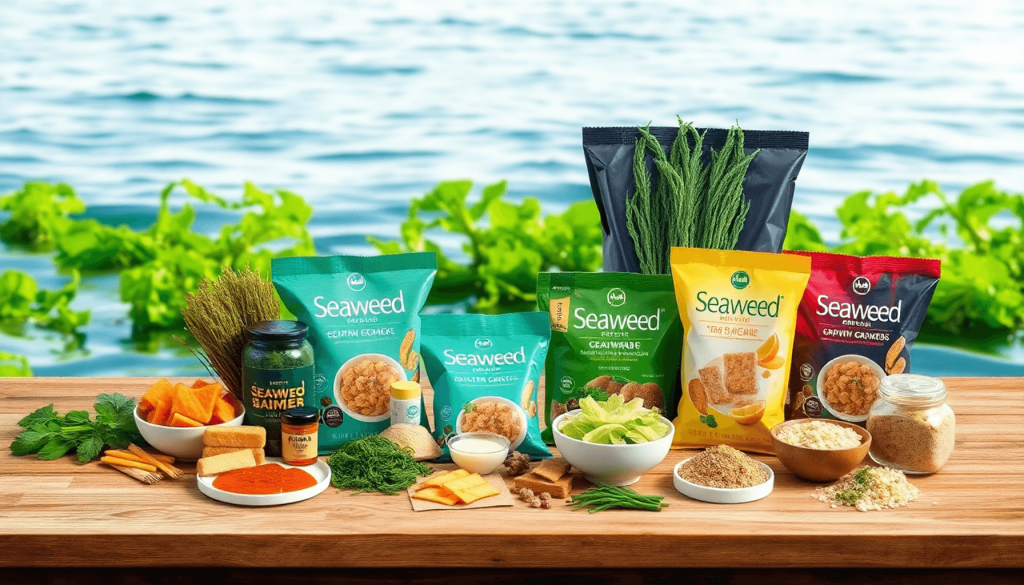
Key features of Ralali Plus include:
- Accessible Funding: Tailored financing options for different stages of business growth.
- Support for Innovations: Encouragement of new ideas and approaches within the seaweed sector.
In addition to Ralali Plus, Ralali Food plays a crucial role in promoting innovative product development using seaweed. This service focuses on creating value-added products that not only meet local demand but also cater to international markets. Ralali Food facilitates the development of various seaweed-based food items, leveraging their unique properties as hydrocolloids—such as carrageenan, alginate, and agar.

Examples of innovative applications include:
- Plant-Based Protein: Incorporating seaweed into alternative meat products.
- Eco-Friendly Packaging: Utilizing seaweed as a sustainable material for food packaging solutions.
By fostering these advancements, Ralali addresses both global competition and market access limitations, positioning Indonesian seaweed businesses to thrive in an increasingly demanding marketplace. With strategic support systems in place, the potential for growth within this sector expands significantly.
Government Collaboration and Support Policies for Sustainable Growth in the Indonesian Seaweed Sector
The Indonesian government recognizes the significant potential of the seaweed industry and has initiated various government support programs to enhance productivity. Key policies focus on:
- Research and Development: Investment in R&D to improve cultivation techniques, disease management, and product innovation.
- Training and Education: Offering training programs to farmers and producers, enhancing their skills in sustainable practices and market trends.
- Financial Assistance: Providing subsidies or grants to support seaweed businesses in adopting advanced technologies.
Collaboration between government entities and industry stakeholders is vital for addressing the challenges posed by global competition and limited market access. Such partnerships can lead to:
- Shared Resources: Pooling resources for better infrastructure development, logistics, and transportation solutions.
- Market Intelligence: Accessing data on global market trends, allowing local producers to align their offerings with international demands.
- Policy Advocacy: Strengthening voices in advocating for favorable trade agreements that benefit Indonesian seaweed exports.
The combined efforts of government initiatives and active stakeholder engagement are essential for fostering a resilient seaweed sector capable of competing on a global scale.
Future Trends and Opportunities in the Indonesian Seaweed Industry
The Indonesian seaweed sector is set to grow significantly, driven by increasing global demand for natural products. Here are some key growth trends to consider:
1. Diversification of Seaweed Applications
Seaweed’s versatility as a raw material opens doors beyond traditional uses. Innovations in food products, such as plant-based proteins and eco-friendly packaging, enhance its market appeal.
2. Increased Export Potential
The global shift towards healthier, sustainable ingredients boosts Indonesia’s export possibilities. Countries are increasingly seeking hydrocolloids like carrageenan and agar for various applications in food, cosmetics, and pharmaceuticals.
3. Sustainable Practices
Emphasis on environmentally friendly harvesting and processing techniques positions Indonesian seaweed businessesfavorably. Consumers are more inclined to support brands that prioritize sustainability.
4. Investment in Technology
Adoption of advanced farming techniques can improve yield and quality. Utilizing technology in processing not only reduces costs but also enhances product innovation.
These factors create a favorable environment for Indonesian seaweed businesses, fostering opportunities that align with global consumer preferences. Expanding market access through strategic partnerships will be essential to capitalize on these trends.
Conclusion: Strategic Initiatives for Growth in The Face Of Global Competition And Limited Market Access Challenges In The Indonesian Seaweed Industry
The Indonesian seaweed industry is at a critical point, facing major challenges like global competition and limited market access. To overcome these obstacles, it’s essential for everyone involved—farmers, businesses, and government agencies—to work together.
Key strategic initiatives for growth include:
- Collaboration among stakeholders to share resources and insights.
- Investment in infrastructure to improve logistics and reduce transportation costs.
- Focus on innovation to develop new seaweed-based products that meet global demands.
By joining forces, all parties can create comprehensive plans that not only address current issues but also establish Indonesia as a leader in the worldwide seaweed market. Working together and thinking outside the box will be vital for overcoming challenges and promoting sustainable growth in the industry.
FAQs (Frequently Asked Questions)
Indonesian seaweed businesses encounter significant challenges such as intense global competition, primarily from countries like China and the Philippines, as well as limited market access due to logistical constraints and high transportation costs.
As the world’s second-largest seaweed producer, Indonesia must contend with competition from major producers like China and the Philippines. This competition complicates efforts to maintain market share and competitiveness in the international seaweed market.
Logistical constraints significantly hinder Indonesian seaweed businesses by making it difficult to reach broader markets. High transportation costs, especially for remote coastal areas, further exacerbate these challenges, limiting access to potential buyers.
Price volatility plays a critical role in shaping farmers’ income within the Indonesian seaweed sector. Fluctuating prices can lead to financial instability for farmers, making it challenging to sustain their livelihoods.
Pingback:The Utilization Of New Seaweed Cultivation Land Has Only Reached 0.8% Of The Total Potential Of 12 Million Hectares. - Indonesia Supplier
Pingback:The Ministry of Maritime Affairs and Fisheries (KKP) Develops Seaweed Cultivation Modeling In Several Locations To Increase Productivity. - Indonesia Supplier