
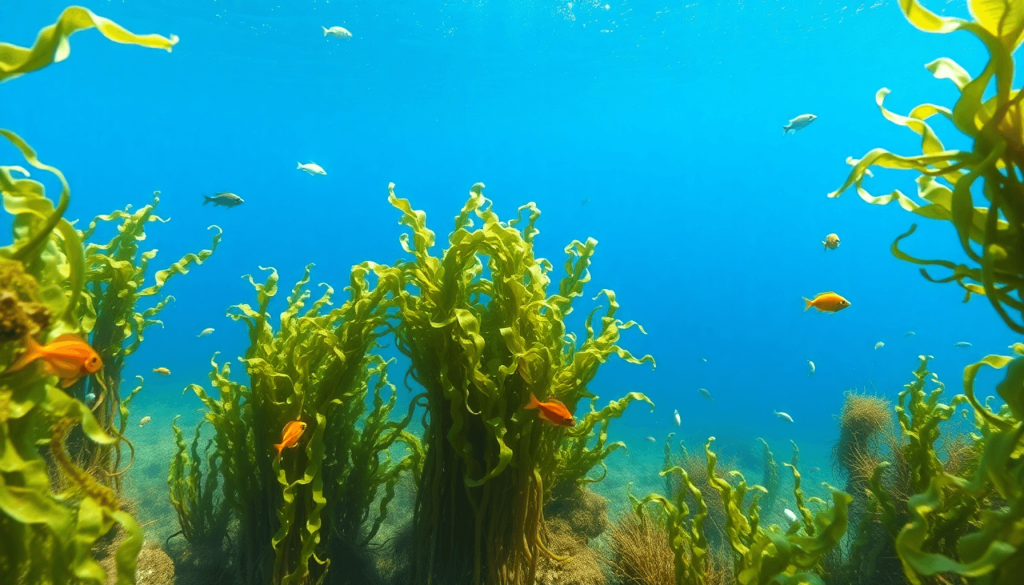
Seaweed cultivation in Indonesia has become an important industry, making significant contributions to the national economy. The country’s diverse marine ecosystems provide an ideal environment for various seaweed species, especially Eucheuma cottonii. This particular species has great potential in aquaculture due to its economic value and versatility.
The key points to consider are:
- Economic Importance: The seaweed industry supports local livelihoods and contributes to export revenue.
- Research Motivation: Increased demand for sustainable practices necessitates thorough research on cultivation methods.
- Lack of Comprehensive Studies: Limited understanding exists regarding plankton parameters essential for optimizing seaweed farming.
- Suitability Assessment: Pancana Beach offers an unexplored opportunity for Eucheuma cottonii farming with the right conditions.
One of the challenges we face is the limited understanding of plankton dynamics in potential cultivation areas. This knowledge gap presents an opportunity for us to explore how analyzing plankton can improve seaweed production efficiency. By addressing these issues, our goal is to develop strategies that promote sustainable seaweed farming while maximizing productivity at Pancana Beach, Indonesia.
Methodology
Study Area: Pancana Beach, Barru Regency
Pancana Beach in Barru Regency is the main focus of this research. It was chosen because it has great potential for growing Eucheuma cottonii seaweed. The unique marine environment of this area is home to various plankton species, which are crucial for understanding how seaweed farming works.
Sampling Techniques and Station Selection
To gather data, we used systematic sampling methods across multiple locations along Pancana Beach. These specific locations were chosen based on their different environmental conditions, ensuring that our analysis of plankton abundance and diversity would be representative.
Plankton Analysis Methods
We used several methods to analyze the collected plankton samples:
- Abundance Calculation: We counted the number of individual plankton organisms using a microscope to determine the overall population density.
- Diversity Index: This index helped us assess species richness and evenness, providing insights into the community structure.
- Uniformity Index: We measured how evenly individuals are distributed among different species within the community.
- Dominance Index: This index highlighted the extent to which a few species dominate the total abundance, indicating ecological balance.
By combining these methodologies, we can gain a comprehensive understanding of how plankton dynamics relate to Eucheuma cottonii cultivation.
Plankton Abundance Findings
Understanding plankton abundance is crucial for optimizing seaweed cultivation, especially for Eucheuma cottonii. The findings from Pancana Beach reveal significant variations in plankton abundance across sampling stations:
1. Range of Plankton Abundance
Abundance levels fluctuated between stations, indicating varying ecological conditions and nutrient availability.
2. Dominant Plankton Species Identified
Key species contributing to the ecosystem include Dunaliella salina, Phaeocystis globosa, and various diatoms. These species play a vital role in supporting marine food webs.
3. Comparison with Other Indonesian Coastal Areas
When compared to coastal regions such as Bali and Sulawesi, Pancana Beach exhibits unique plankton community structures, potentially due to its specific environmental conditions.
4. Implications for Eucheuma cottonii Cultivation
The presence of dominant plankton species directly influences the nutrient dynamics essential for the growth of Eucheuma cottonii. Higher plankton abundance suggests a thriving ecosystem conducive to optimal seaweed production, highlighting the need for ongoing monitoring and management strategies tailored to these dynamics.
This analysis underscores the importance of understanding plankton populations in enhancing sustainable seaweed farming practices.
Plankton Diversity Analysis
Plankton diversity was evaluated using a diversity index across various sampling stations at Pancana Beach. The results indicated notable variations in diversity levels:
1. Diversity Index Results
Higher diversity indices were recorded at certain stations, suggesting a rich variety of plankton species. This diversity is crucial for maintaining ecological balance and supporting marine life.
2. Interpretation of Diversity Findings
A higher diversity index reflects a stable ecosystem, which can enhance the resilience of marine environments against environmental stressors. Diverse plankton communities are often indicative of healthy water quality and habitat conditions.
3. Relationship Between Diversity and Seaweed Cultivation
Increased plankton diversity positively influences seaweed cultivation, particularly for Eucheuma cottonii. Diverse plankton populations contribute to nutrient cycling and provide a robust food source for herbivorous organisms, which in turn support the growth of seaweed.
Understanding plankton diversity is essential for optimizing Eucheuma cottonii cultivation. By leveraging this knowledge, farmers can create conditions that favor both plankton abundance and diversity, ultimately leading to more sustainable seaweed farming practices.
Water Quality Parameters Assessment and Its Influence on Plankton Dynamics and Eucheuma Cottonii Growth Rate
Water quality plays a crucial role in the growth rate of Eucheuma cottonii and the effectiveness of sustainable farming practices. Key water quality parameters include:
- Salinity: Affects osmotic balance for both plankton and seaweed.
- pH Levels: Influences nutrient availability which is essential for growth.
- Nutrient Concentrations: Such as nitrogen and phosphorus, directly impact plankton dynamics, providing food resources for Eucheuma cottonii.
The relationship between these water quality factors and plankton populations is significant. Healthy plankton communities contribute to nutrient cycling, enhancing the growth conditions for Eucheuma cottonii. For instance:
- Higher nutrient levels can lead to increased phytoplankton abundance, promoting better growth rates in seaweed.
- Conversely, imbalances such as excessive nutrients can result in harmful algal blooms, negatively affecting both plankton diversity and seaweed cultivation.
Understanding these dynamics allows for the development of targeted management strategies that optimize water quality. Implementing effective monitoring systems ensures that optimal conditions are maintained, ultimately supporting sustainable farming practices while maximizing production efficiency of Eucheuma cottonii.
Sustainable Farming Practices in Seaweed Cultivation: Balancing Economic Viability and Community Impact
Sustainable practices in seaweed cultivation are crucial for both environmental health and economic growth. Two prominent farming methods employed are:
1. Floating Raft Method
This technique involves cultivating seaweed on floating rafts, allowing for better water circulation and light penetration. It enhances growth rates while minimizing the impact on the seabed.
2. Line Method
In this approach, seaweed is grown on suspended lines anchored to the seafloor. This method reduces competition with other marine organisms, promoting healthier growth conditions.
Economic viability of these sustainable methods is significant for local communities. Implementing such practices can lead to:
- Increased yields, which translate into higher income for farmers.
- Job creation within local economies, supporting families and reducing poverty.
The contribution of the seaweed industry to Indonesia’s economy cannot be understated. Seaweed serves as a raw material for various products, including food items and cosmetics. Local livelihoods benefit from:
- Enhanced market opportunities through platforms like Ralali.com, which connect producers with buyers.
- Growth in related industries such as processing and distribution, fostering community resilience.
These sustainable practices not only promote ecological balance but also empower local communities economically.
Ralali Group’s Role in Supporting Sustainable Seaweed Industry Development
The Ralali Group plays a crucial role in advancing the sustainable seaweed sector, particularly for Eucheuma cottonii cultivation. This commitment is reflected in various initiatives aimed at enhancing the industry’s efficiency and productivity.
Comprehensive Solutions
Ralali Group offers an extensive ecosystem tailored for seaweed producers, encompassing:
- Raw Material Procurement: Streamlining access to quality inputs.
- Product Distribution: Facilitating market access through the Ralali Marketplace, connecting producers with processing industries.
- Financial Support: Ralali Plus provides funding solutions to empower local businesses.
Technology Integration
The use of advanced technology is key in ensuring efficient supply chain collaborations. Features such as:
- Request for Quotation (RFQ) and Ralali Tender enable transparent interactions between buyers and sellers.
- Digital infrastructure fosters trust and reliability among stakeholders, enhancing operational synergies.
The focus on downstreaming supports not just the seaweed sector but also contributes to broader economic growth. By optimizing processes and creating value-added products, Ralali strengthens national industry competitiveness while promoting sustainable practices in seaweed farming.
Conclusion and Future Directions for Research
Plankton analysis has revealed important information about the factors influencing Eucheuma cottonii cultivation at Pancana Beach. The main findings are:
- Identification of dominant plankton species that affect growth rates.
- Establishment of diversity indices that are linked to optimal farming conditions.
Future research efforts should focus on:
- Optimization strategies that improve plankton abundance and diversity.
- Approaches that maintain ecological balance during seaweed farming practices.
By concentrating on these areas, we can achieve sustainable seaweed production and highlight the significance of plankton analysis for the industry’s continued success.
FAQs (Frequently Asked Questions)
Eucheuma cottonii plays a crucial role in the seaweed industry due to its economic importance and potential applications in aquaculture. Optimizing its cultivation through comprehensive plankton analysis can enhance production sustainability and contribute positively to local livelihoods.
Plankton analysis provides insights into plankton abundance, diversity, and water quality parameters, which are essential for understanding their impact on the growth rate of Eucheuma cottonii. By assessing these factors, farmers can optimize cultivation practices for better yield and sustainability.
The study employed various sampling techniques and plankton analysis methods, including abundance calculation, diversity index assessment, uniformity index, and dominance index to evaluate plankton dynamics across different stations at Pancana Beach.
Ralali Group is committed to enhancing the sustainable seaweed sector by providing comprehensive solutions for producers. Their B2B platform facilitates efficient supply chain collaborations, promoting economic viability while supporting community impacts related to seaweed farming.
Pingback:Optimizing Sargassum plagiophyllum Cultivation: Impact of Planting Distance on Growth and Sustainability - Indonesia Supplier
Pingback:Optimizing Seaweed Cultivation: A Comprehensive Analysis of Environmental Factors and Growth Parameters - Indonesia Supplier