
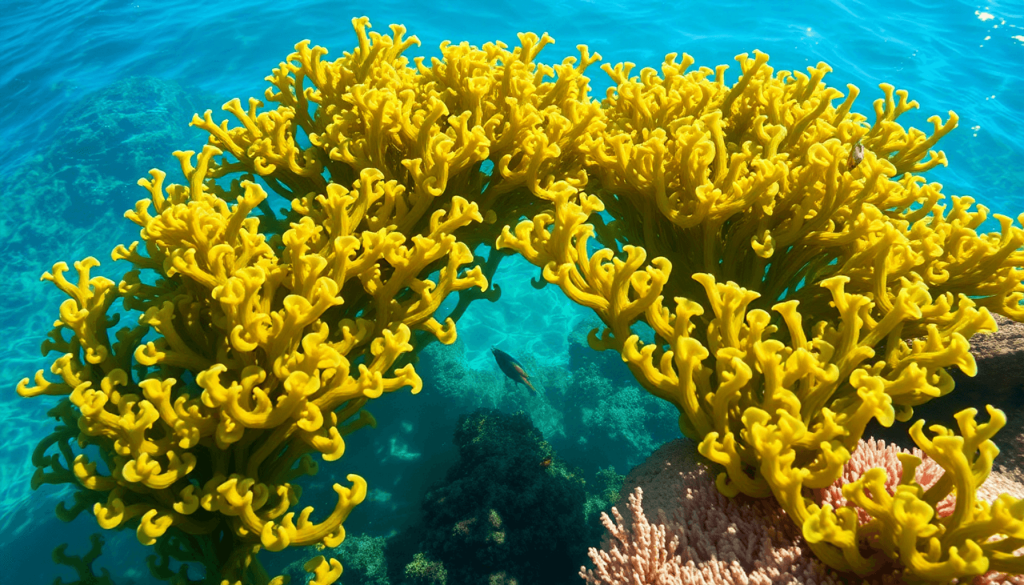
Sargassum plagiophyllum is an important type of seaweed that is crucial for aquaculture and coastal communities. It has various uses beyond food production, such as being a source of hydrocolloids like carrageenan, which is widely used in different industries for its thickening and stabilizing properties.
This blog post focuses on the impact of planting distance on the growth and sustainability of Sargassum plagiophyllum. It emphasizes the need for more research in this area to improve cultivation methods and promote environmental responsibility. The knowledge gained can lead to increased productivity, benefiting both farmers and coastal ecosystems.
Understanding Sargassum plagiophyllum
Sargassum plagiophyllum, a vital seaweed species, thrives abundantly along the coasts of Indonesia. Its distribution spans various marine ecosystems, contributing significantly to both ecological balance and local economies. This species plays a crucial role in coastal habitats by providing shelter and food for marine organisms. The economic significance of Sargassum plagiophyllum cannot be understated; it serves as a raw material for various industries, including food production, cosmetics, and pharmaceuticals.
Ecological Role
- Habitat: Supports diverse marine life by offering refuge and breeding grounds.
- Carbon Sequestration: Contributes to carbon cycling, aiding in climate regulation.
- Nutrient Cycling: Enhances nutrient availability in coastal waters, promoting biodiversity.
Economic Importance
Local communities heavily rely on Sargassum plagiophyllum for their livelihoods. Traditional harvesting methods involve manual collection during low tide, ensuring minimal disruption to the ecosystem. However, these practices come with significant risks:
- Overexploitation: Increased demand has led to unsustainable harvesting rates.
- Environmental Degradation: Improper methods can damage habitats and reduce biodiversity.
- Economic Vulnerability: Communities face potential income loss due to declining wild stocks.
The traditional approach to harvesting highlights the delicate balance between economic benefits and environmental sustainability. As the pressure on wild populations increases, innovative cultivation practices become essential for ensuring the longevity of both the species and the livelihoods dependent on it.
The Need for Sustainable Cultivation Practices
The increasing demand for seaweed, including Sargassum plagiophyllum, necessitates the implementation of sustainable practices in cultivation. Without these practices, long-term viability of seaweed farming is at risk, leading to potential environmental degradation. Unsustainable harvesting methods and overexploitation of wild stocks can destabilize local ecosystems and diminish biodiversity.
Key points to consider:
- Environmental Impact: Traditional harvesting methods often lead to habitat destruction. Implementing sustainable practices minimizes damage and promotes ecosystem health.
- Economic Viability: Sustainable practices ensure that communities relying on seaweed farming retain their livelihoods while preserving natural resources for future generations.
A significant gap exists in current research regarding optimal planting distances for Sargassum plagiophyllum. Understanding how planting density affects growth rates is crucial for developing effective management strategies.
Key issues identified:
- Lack of Studies: Limited investigations into the impact of planting distances hinder the ability to establish best practices.
- Management Strategies: Determining optimal spacing can improve yield and promote healthier crops, ultimately benefiting both farmers and the environment.
By addressing these gaps in knowledge and promoting sustainable cultivation techniques, we can create a more resilient aquaculture sector. This approach not only enhances productivity but also safeguards coastal ecosystems from adverse effects associated with unsustainable practices. As the need for seaweed continues to grow, prioritizing sustainability is essential for the future of Sargassum plagiophyllum cultivation.
Overcoming Challenges in Sargassum plagiophyllum Cultivation
Challenges in seaweed farming, particularly for Sargassum plagiophyllum, significantly impact cultivation efficiency. Some of the prominent issues include:
1. Overexploitation of Wild Stocks
Local communities often rely on harvesting wild stocks, which can lead to depletion and threaten sustainability. This practice not only endangers the marine ecosystem but also jeopardizes the livelihoods of those dependent on these resources.
2. Cultivation Techniques
Traditional methods may lack optimization, limiting growth potential. The spacing of plants plays a critical role in maximizing yield and minimizing competition for nutrients and light.
Optimizing planting distances is essential for improving cultivation efficiency. By strategically adjusting the spacing between plants, farmers can enhance growth rates and overall biomass production. Research indicates that appropriate distances can reduce competition among individual plants, leading to healthier growth and higher yields.
The implementation of optimized planting distances not only addresses immediate agricultural challenges but also contributes to long-term sustainability in the seaweed sector. As farmers adapt their practices to focus on these techniques, they can ensure both ecological balance and economic viability for coastal communities engaged in Sargassum plagiophyllum cultivation.
Research Methodology
The study took place in Bungin Permai, located in the Tinanggea district of Southeast Sulawesi. This region is recognized for its favorable conditions for seaweed cultivation, particularly Sargassum plagiophyllum.
Experimental Design
The research employed a longline cultivation method, which is effective for maximizing space and optimizing growth.
Three different planting distances were tested:
- 10 cm
- 15 cm
- 20 cm
The duration of the experiment spanned 36 days, allowing sufficient time to assess growth performance under varying conditions.
Data Collection Process
Data collection focused on two main parameters:
- Daily Growth Rate (DGR): This metric was crucial for evaluating how different planting distances influenced the growth of Sargassum plagiophyllum.
- Water Quality Parameters: These included temperature, salinity, and nutrient levels, all essential factors affecting seaweed health and growth.
To ensure robust findings, statistical analysis was conducted using one-way ANOVA to evaluate differences between groups. The Tukey test followed this analysis, providing insights into which specific distances yielded significant variations in growth rates.
This methodology not only facilitates a comprehensive understanding of optimal planting distances but also sets the stage for future studies aimed at enhancing sustainable practices within Sargassum plagiophyllum cultivation.
Impact of Planting Distance on Growth Rates
The research findings demonstrate the relationship between planting distance and the daily growth rate (DGR) of Sargassum plagiophyllum. The following observations were recorded:
DGR Results
- At 10 cm planting distance, the average DGR was significantly higher compared to both 15 cm and 20 cm distances.
- The 15 cm spacing exhibited moderate growth, while the 20 cm distance resulted in the lowest DGR, indicating that closer planting may enhance growth rates.
Statistical analysis using one-way ANOVA confirmed these differences, establishing that planting distance plays a critical role in optimizing seaweed cultivation. This finding aligns with previous studies which suggest that denser planting can lead to increased competition for resources, ultimately affecting growth.
When comparing these results to international standards for seaweed cultivation, it becomes evident that understanding local environmental conditions is essential. For instance, studies from different geographical locations emphasize varying optimal distances based on specific ecological factors. Therefore, adapting these findings to Indonesia’s unique marine environment is crucial.
Several environmental parameters influence DGR in Sargassum plagiophyllum cultivation systems:
- Temperature: Optimal temperatures promote photosynthesis and metabolic activity in seaweed. Fluctuations outside ideal ranges can slow growth.
- Salinity: Seaweed thrives within a specific salinity range. Deviations can stress plants, reducing their growth potential.
Integrating knowledge of these parameters alongside optimal planting distances can lead to more effective cultivation strategies. By focusing on both aspects, seaweed farmers can enhance productivity and sustainability in their practices. Adjusting planting distances while monitoring environmental conditions will be key to achieving better outcomes in Sargassum plagiophyllum cultivation.
Towards Sustainable Aquaculture Practices
Optimizing planting distances for Sargassum plagiophyllum plays a crucial role in advancing sustainable aquaculture practices. By carefully managing spacing, you can achieve several benefits that enhance both environmental health and economic viability.
1. Resource Efficiency
Proper planting distances lead to better utilization of available nutrients and light. This efficiency reduces competition among plants, allowing each seaweed specimen to thrive. Healthier growth results in higher yields without the need for excessive resource input.
2. Minimizing Environmental Impact
Sustainable practices mitigate negative effects on marine ecosystems. For instance, optimized cultivation reduces the risk of algal blooms caused by over-fertilization and excessive biomass accumulation. Healthier cultivation systems foster biodiversity, which is essential for maintaining balanced coastal habitats.
3. Supporting Coastal Livelihoods
Improved seaweed farming techniques contribute to stronger coastal economies. As production increases through optimized methods, local communities benefit from enhanced income opportunities. You will find that a thriving seaweed sector can provide job stability, food security, and support for traditional livelihoods.
4. Aligning with Sustainability Principles
The integration of sustainable aquaculture principles into seaweed farming ensures long-term viability. Practices that prioritize ecological balance can attract investment and support from various stakeholders committed to environmental stewardship.
Incorporating these strategies not only supports the cultivation of Sargassum plagiophyllum but also aligns with broader efforts to promote sustainable aquaculture, ultimately benefiting coastal communities and preserving marine ecosystems.
Ralali’s Role in Supporting Seaweed Sector Development
Ralali stands out as a key player in the advancement of Indonesia’s seaweed sector. By supporting national downstream programs, Ralali focuses on enhancing the sustainability and profitability of seaweed farming.
1. Ralali Marketplace
This platform connects seaweed producers directly with buyers, ensuring fair trade practices. Producers gain access to a wider market, allowing them to sell their products more efficiently. With an extensive reach into processing industries, the Marketplace facilitates better pricing and distribution strategies for Sargassum plagiophyllum.
2. End-to-End Solutions
Ralali provides comprehensive end-to-end solutions for business players in the seaweed industry. These solutions encompass raw material procurement through to final product distribution, streamlining operations for farmers and processors alike. This integrated approach empowers local communities to thrive while maintaining sustainable practices.
3. Funding Solutions via Ralali Plus
The introduction of Ralali Plus offers essential funding options for businesses engaged in Sargassum plagiophyllum cultivation. Access to financial resources enables farmers to invest in improved cultivation techniques and technologies, ultimately enhancing productivity and sustainability.
The synergy between Ralali’s initiatives and the seaweed farming community is crucial for fostering growth and innovation within this vital sector.
Conclusion
The cultivation of Sargassum plagiophyllum presents significant opportunities for sustainable aquaculture. To fully realize these benefits, attention must focus on:
- Future research directions that optimize cultivation practices, especially concerning planting distance management strategies.
- The integration of sustainable practices within the seaweed industry to ensure environmental integrity and enhance the socio-economic well-being of coastal communities.
Sustainable approaches not only support efficient production but also protect fragile marine ecosystems. Emphasizing research and management strategies is vital for the future of seaweed farming. By prioritizing these areas, stakeholders can contribute positively to both local economies and environmental preservation. The journey towards optimizing Sargassum plagiophyllum cultivation begins with a commitment to responsible practices.
FAQs (Frequently Asked Questions)
Sargassum plagiophyllum is a species of seaweed that plays a crucial role in aquaculture and supports coastal livelihoods. It is valued for its ecological functions, economic significance, and potential use in products like carrageenan.
The planting distance significantly impacts the daily growth rate (DGR) of Sargassum plagiophyllum. Studies highlight that optimizing these distances can enhance cultivation efficiency and sustainability, although further research is needed to establish specific optimal distances.
Local communities employ various traditional harvesting methods for Sargassum plagiophyllum. However, these practices face risks due to overexploitation of wild stocks, which threatens the sustainability of this valuable resource.
Ralali plays a key role in supporting national downstream programs in the seaweed sector by providing a marketplace for producers to connect with buyers. Additionally, Ralali Plus offers funding solutions that benefit business players engaged in Sargassum plagiophyllum cultivation.
Pingback:Optimizing Eucheuma cottonii Cultivation: A Comprehensive Plankton Analysis for Sustainable Seaweed Farming in Pancana Beach, Indonesia - Indonesia Supplier