

Indonesia’s seaweed industry, known locally as budidaya rumput laut, plays a crucial role in the nation’s economy. With a coastline that spans over 95,000 kilometers, Indonesia is one of the largest producers of seaweed globally, particularly rumput laut varieties such as Eucheuma and Gracilaria. This thriving sector supports thousands of coastal communities and contributes significantly to foreign exchange earnings.
The demand for high-quality seaweed has led to an increased focus on the importance of superior seeds. Superior seeds are essential in enhancing both yield and quality in seaweed farming. The use of bibit rumput laut yang baik ensures that farmers cultivate plants with improved growth rates, disease resistance, and consistency in genetic traits. This directly impacts productivity levels and profitability for farmers.
To meet these needs, innovative solutions like the Provision Of Tissue Culture-Based Seaweed Seedling Gardens (KBRL) are being implemented. KBRL aims to ensure the availability of superior seeds, thereby supporting the sustainability and growth of Indonesia’s seaweed industry. By improving seed access, farmers can achieve better results in their cultivation practices, ultimately benefiting local economies and enhancing food security.
Read More: The Government Is Considering Policies To Promote Domestic Seaweed Processing.
Provision Of Tissue Culture-Based Seaweed Seedling Gardens (KBRL) To Ensure The Availability Of Superior Seeds
The KBRL (Kebun Bibit Riset Laut) represents a significant advancement in the seaweed industry, specifically designed to enhance the availability of superior seeds. By creating dedicated gardens for tissue culture-based seaweed propagation, KBRL aims to address the increasing demand for high-quality seedlings crucial for successful seaweed farming.
Definition and Purpose of KBRL
KBRL serves as a research garden focused on cultivating superior seaweed varieties through innovative tissue culture techniques. This initiative not only improves seed availability but also ensures that farmers have access to genetically superior plants that can lead to enhanced yield and quality in their crops.
Advantages of Tissue Culture Techniques
Utilizing tissue culture for seedling production offers multiple advantages:
- Higher Growth Rates: Tissue-cultured seedlings typically exhibit faster growth compared to conventional methods.
- Improved Disease Resistance: These seedlings are often more resilient against diseases, reducing crop losses.
- Consistency in Genetic Traits: Tissue culture ensures uniformity in crop characteristics, leading to reliable harvests.
Government Initiatives for KBRL Establishment
Recognizing the importance of KBRL, the Indonesian government has initiated several programs aimed at establishing these gardens across key locations. This includes:
- Funding support for infrastructure development.
- Collaboration with research institutions to ensure proper management and technological advancements.
- Engagement with local communities to promote awareness and participation in KBRL activities.
The establishment of KBRL systems marks a pivotal shift towards sustainable seaweed farming practices. As these gardens proliferate, they will not only enhance seed availability but also bolster Indonesia’s position as a leading player in the global seaweed market.
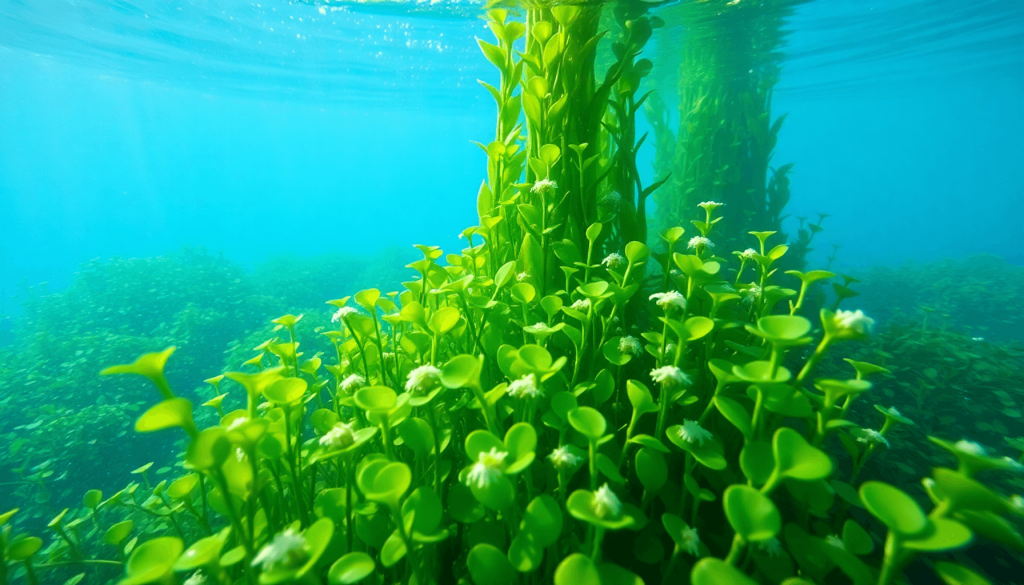
Benefits of Tissue Culture-Based Seedlings
Tissue culture-based seedlings offer significant advantages that contribute to the efficiency and productivity of seaweed farming. Key benefits include:
- Higher Growth Rates: Tissue-cultured seedlings often exhibit faster growth rates compared to conventional seedlings. This accelerated development allows farmers to achieve quicker harvest cycles, enhancing overall yield.
- Improved Disease Resistance: These seedlings are cultivated in controlled environments, resulting in increased resilience against diseases. Improved disease resistance minimizes crop loss, ensuring a healthier and more robust seaweed production.
- Consistency in Genetic Traits: Tissue culture techniques promote uniformity in genetic traits across crops. This consistency leads to a more predictable harvest and quality, which is essential for meeting market demands and maintaining product standards.
The integration of these advantages significantly transforms the landscape of seaweed farming. Farmers benefit from increased productivity while ensuring higher quality outputs. As Indonesia continues to strengthen its seaweed industry, the role of tissue culture-based seedlings will be pivotal in driving sustainable growth and profitability.
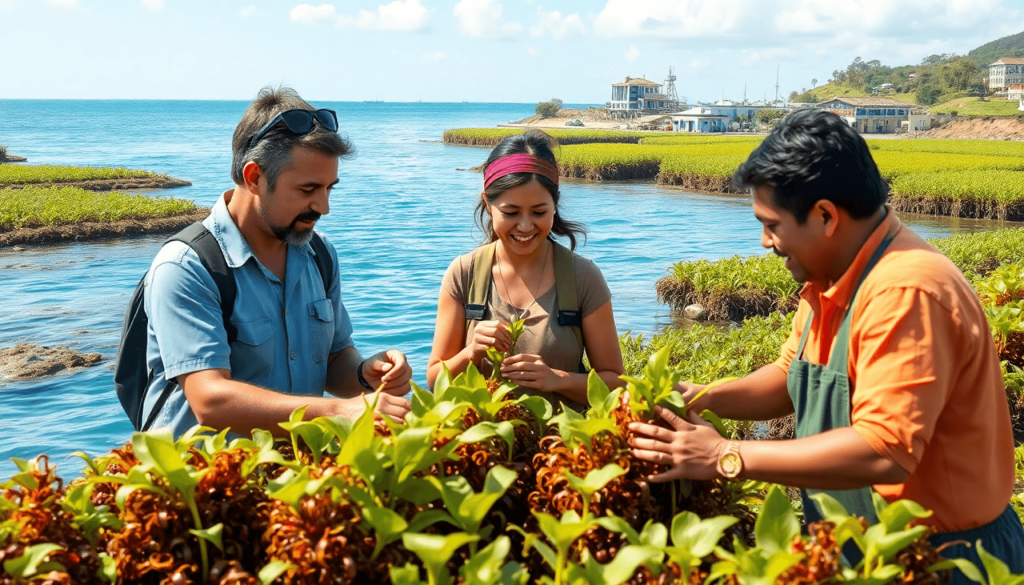
Implementation of KBRL: Ensuring Success Through Collaboration and Training
The successful establishment of KBRL is crucial for enhancing the availability of superior seaweed seeds. This initiative requires strategic planning and collaboration among various stakeholders. Key locations for KBRL establishment include:
- Coastal areas with high seaweed farming potential
- Research institutions equipped with tissue culture capabilities
- Government facilities that can support infrastructure
Collaboration between government agencies and research institutions plays a vital role in the effective management of KBRL. This partnership ensures that best practices are implemented, fostering an environment conducive to innovation and productivity. By pooling resources and expertise, stakeholders can address common challenges in seedling production.
Training programs designed specifically for farmers focus on the management and utilization of KBRL. These programs aim to:
- Educate farmers about tissue culture techniques
- Provide hands-on experience in seedling production
- Encourage sustainable farming practices
Equipping farmers with knowledge about KBRL not only enhances their skills but also empowers them to make informed decisions in seaweed cultivation. As a result, this collaborative approach strengthens the overall framework of Indonesia’s seaweed industry, paving the way for sustainable growth and improved yields.
Ralali’s Role in Supporting KBRL and the Seaweed Industry
Ralali plays a crucial role in improving the seaweed industry through its innovative platform, Ralali Marketplace. This B2B platform is an important channel for distributing high-quality seedlings produced by KBRL. Here are some key features:
1. Direct Access
Ralali connects KBRL producers with seaweed farmers, making the supply chain more efficient and ensuring that top-notch seedlings reach their intended users without any delays.
2. Enhanced Distribution
By using its wide network, Ralali helps seaweed growers access larger markets, allowing them to expand their businesses and reach processing industries.
In addition to facilitating distribution, Ralali offers crucial funding solutions through Ralali Plus. This initiative supports the development and growth of KBRL initiatives by providing financial assistance to both producers and farmers. With these funding solutions, businesses can invest in better technologies and practices, leading to increased productivity.
As the largest B2B platform in Indonesia, Ralali plays a vital role in maximizing the potential of seaweed within the national downstream program. This ensures a strong ecosystem that benefits everyone involved in seaweed farming.
Impact on National Seaweed Production and Economic Benefits for Coastal Communities
The implementation of KBRL (Tissue Culture-Based Seaweed Seedling Gardens) holds significant promise for increasing national seaweed production. By providing access to superior seeds, KBRL enhances the yield and quality of seaweed crops, directly contributing to the goals set by the Indonesian government.
1. Government Targets
The ambitious target of achieving 12.3 million tons of seaweed production by 2024 is within reach through the systematic establishment of KBRL. This initiative positions Indonesia to become a leading player in the global seaweed market.
2. Economic Benefits
Coastal communities involved in seaweed farming stand to gain substantially from increased productivity. Enhanced seed quality translates to:
- Higher incomes for farmers due to improved yields.
- Job creation in processing and distribution sectors.
- Strengthened local economies as more resources are reinvested into communities.
The ripple effect of these advancements not only bolsters individual livelihoods but also supports broader economic growth. As the seaweed industry flourishes, it fosters resilience within coastal regions, ensuring sustainability and long-term profitability for stakeholders engaged in this vital sector.
Challenges Ahead: Scaling Up Production, Affordability, and Market Access Issues
Scaling up production of Tissue Culture-Based Seaweed Seedling Gardens (KBRL) presents significant challenges. The increasing demand for superior seedlings necessitates:
- Infrastructure Development: Existing facilities may not be equipped to handle the growing needs of seedling production.
- Technical Expertise: Skilled personnel are required to manage advanced tissue culture processes effectively.
Affordability issues also pose a barrier. Tissue culture seedlings must remain economically viable for local farmers. Key considerations include:
- Cost of Production: High initial investment in technology can lead to increased prices for farmers.
- Subsidies and Support: Government interventions play a crucial role in ensuring prices are kept manageable.
Market access challenges further complicate the situation. Farmers often struggle to connect with larger markets due to:
- Distribution Networks: Limited access to logistics can hinder the efficient delivery of seedlings.
- Market Information: Lack of awareness about demand trends affects farmers’ decision-making.
Ralali’s participation is vital in addressing these obstacles. By facilitating better distribution channels and providing funding solutions through Ralali Plus, barriers can be reduced. Enhanced marketing strategies can help bridge gaps between KBRL producers and seaweed farmers, promoting growth in the industry.
Future Outlook: Sustainability, Profitability, and Innovative Practices in Seaweed Farming
The integration of tissue culture technology within seaweed farming holds significant promise for enhancing sustainability and profitability. Key benefits include:
1. Sustainability Prospects
Adoption of tissue culture methods leads to reduced reliance on wild harvesting. This practice promotes biodiversity conservation by allowing farmers to cultivate superior seeds that are more resilient and adaptable to changing environmental conditions.
2. Profitability Potential
Farmers employing superior seeds produced through the Provision Of Tissue Culture-Based Seaweed Seedling Gardens (KBRL) To Ensure The Availability Of Superior Seeds can experience higher yields and improved product quality. This translates into better market prices and increased revenue streams.
Innovative practices within this framework will further enhance productivity. For instance, implementing precision farming techniques alongside KBRL can optimize resource use, leading to sustainable growth in the seaweed sector.
Ultimately, a focus on sustainability not only supports ecological balance but also paves the way for long-term economic viability for coastal communities engaged in seaweed farming. As these practices gain traction, they will redefine industry standards and open new avenues for development.
FAQs (Frequently Asked Questions)
The KBRL aims to improve the availability of superior seaweed seeds, which are essential for enhancing yield and quality in Indonesia’s seaweed farming industry.
Tissue culture techniques lead to higher growth rates, improved disease resistance, and consistent genetic traits among seedlings, resulting in high-quality crops compared to conventional methods.
Ralali Marketplace connects KBRL producers with seaweed farmers, enhances supply chains, and provides access to funding solutions through Ralali Plus for the development of KBRL projects.
The implementation of KBRL is anticipated to increase national seaweed production, contributing to the government’s target of 12.3 million tons by 2024, thus providing significant economic benefits for coastal communities involved in seaweed farming.
Pingback:The Ministry of Maritime Affairs and Fisheries (KKP) Develops Seaweed Cultivation Modeling In Several Locations To Increase Productivity. - Indonesia Supplier
Pingback:The Government Is Considering Policies To Promote Domestic Seaweed Processing. - Indonesia Supplier