
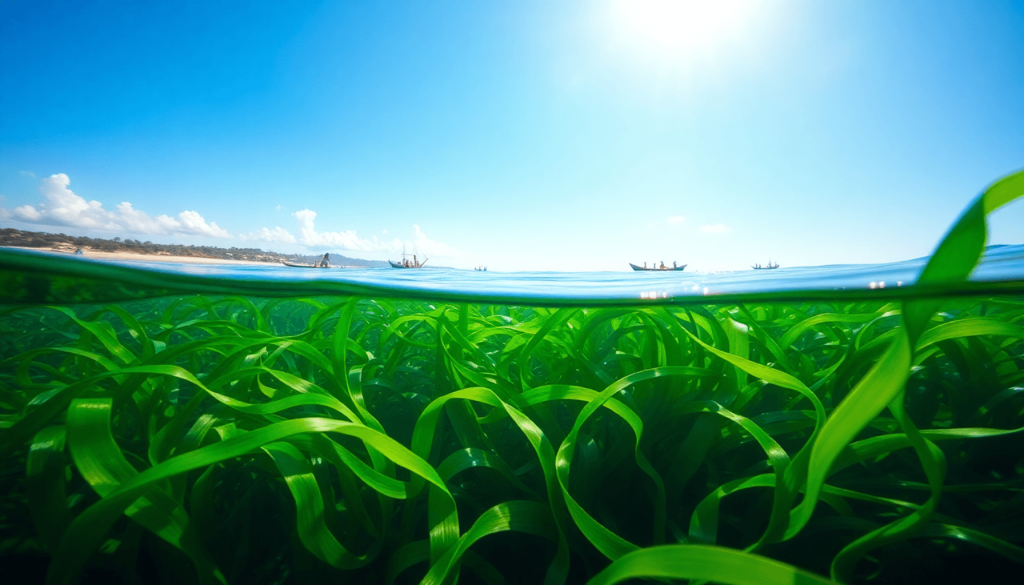
Seaweed cultivation in Indonesia has become an important part of the country’s economy. The seaweed industry not only provides jobs for coastal communities but also helps with food security and protecting the environment.
Economic Contributions
The seaweed sector supports thousands of farmers, generating income and fostering local entrepreneurship.
Potential of Gracilaria verrucosa
This species is particularly promising in aquaculture due to its fast growth rate and versatility in various products.
Research Motivation
The underutilized potential of seaweed in areas like Tlocor, Kedungpandan highlights the need for innovative approaches to maximize benefits for local communities.
Diversification Needs
Expanding product offerings is essential to enhance market resilience and reduce reliance on raw seaweed sales.
Problem Statement
Limited value addition to raw seaweed restricts profitability and growth opportunities for coastal farmers.
Through initiatives like seaweed-based dodol, there is an opportunity to empower coastal communities while promoting sustainable aquaculture practices. Emphasizing environmental responsibility will further enhance the positive impact on these vulnerable populations.
Seaweed Farming Practices and Their Role in Coastal Community Development
Seaweed farming practices are integral to coastal communities, particularly in Indonesia, where these activities contribute significantly to local economies. Key practices include:
1. Cultivation Techniques
Farmers often utilize methods such as floating rafts and long-lines to cultivate species like Gracilaria and Eucheuma. These techniques are environmentally friendly, facilitating growth without depleting marine resources.
2. Community Involvement
Local families often engage in seaweed farming, providing a reliable source of income. This involvement fosters community ties and promotes economic stability.
The economic stability provided by seaweed farming extends beyond individual households. It creates:
- Job Opportunities: The sector generates employment for various roles, from harvesting to processing.
- Income Diversification: Families can supplement their income through value-added products and selling raw seaweed.
Seaweed also plays a crucial role in food security and nutrition. High in essential nutrients, it serves as a vital food source for local populations. The incorporation of seaweed into traditional diets helps address malnutrition and enhances overall health. Thus, the cultivation of seaweed supports not only economic well-being but also nutritional needs within coastal communities.
Sustainable Management Practices and Ecosystem Services in Seaweed Aquaculture
Sustainable management practices are essential for the long-term viability of seaweed farming. They ensure that both environmental health and economic benefits are prioritized. Key practices include:
- Integrated Multi-Trophic Aquaculture (IMTA): This approach combines different species in a single system. For example, seaweed can be farmed alongside fish or shellfish, improving nutrient cycling and minimizing waste.
- Selective Breeding: Focusing on cultivating resilient strains of seaweed enhances productivity while reducing susceptibility to diseases and environmental stressors.
- Monitoring Water Quality: Regular assessment of water parameters helps maintain optimal growth conditions for seaweed, contributing to healthier ecosystems.
The ecosystem services provided by sustainable seaweed aquaculture are significant:
- Carbon Sequestration: Seaweeds absorb carbon dioxide from the atmosphere, playing a role in mitigating climate change.
- Habitat Creation: Seaweed farms serve as habitats for various marine species, promoting biodiversity.
- Nutrient Filtration: Seaweeds naturally filter pollutants from water, enhancing overall water quality.
These practices not only increase the economic stability of coastal communities but also support environmental sustainability, reinforcing the interconnectedness of ecological health and local livelihoods.
Value Addition Through Seaweed-Based Products: A Pathway to Economic Resilience for Coastal Communities
The transition from raw seaweed to value-added products presents significant opportunities for coastal communities. Processing seaweed into products such as dodol, crackers, and noodles not only enhances its market value but also contributes to local economic stability.
Key Benefits of Value Addition:
- Increased Revenue: By offering diverse products, cooperatives can tap into various markets, thereby increasing their income potential.
- Job Creation: The production of processed goods requires skilled labor, leading to job creation within the community.
- Enhanced Food Security: Value-added products like dodol provide nutritious options that address dietary needs while promoting local consumption.
Cooperatives play a crucial role in this transformation. They allow small-scale farmers to collaborate, share resources, and invest in processing equipment. This collective approach fosters innovation and improves product quality. The production of seaweed-based dodol exemplifies how traditional practices can be revitalized with modern techniques, ensuring that coastal communities not only thrive economically but also maintain cultural connections to their maritime heritage.
Empowering Communities Through Cooperatives: The Role of Community Cooperatives in Supporting Seaweed-Based Enterprises
Community cooperatives play a crucial role in strengthening the economic resilience of coastal areas. They provide essential support to local seaweed farmers, offering various advantages that directly influence income levels and community development.
1. Income Enhancement
Cooperatives enable members to access multiple markets by diversifying their product offerings. This diversification strategy leads to increased revenue streams from seaweed-based products like dodol, crackers, and noodles, ultimately resulting in higher income levels and improved living standards.
2. Educational Opportunities
Cooperatives often organize training programs focused on skill development. These initiatives equip community members with the knowledge and expertise needed for efficient seaweed cultivation and processing techniques. By enhancing skills, cooperatives foster greater productivity and innovation in product development.
3. Employment Impact
As cooperatives expand, they generate job opportunities within coastal communities. Increased employment not only supports families but also enhances the overall quality of life. With stable jobs, community members can invest in education and healthcare, promoting a comprehensive approach to community well-being.
The presence of community cooperatives in the seaweed industry plays a vital role in driving sustainable economic growth while fostering social unity in coastal regions.
Ralali Group’s Support for the Seaweed Sector and Innovations in Processing and Product Development
Ralali Group plays a crucial role in supporting the seaweed industry in Indonesia. As the largest B2B platform in the country, Ralali fosters growth through a comprehensive suite of services tailored to seaweed producers. Their efforts focus on enhancing efficiency and market access, essential for maximizing the potential of this valuable resource.
Key initiatives include:
- Integrated Solutions: Ralali offers end-to-end solutions for procurement and distribution. This includes facilitating connections between seaweed farmers and processing industries, ensuring that raw materials reach their intended markets seamlessly.
- Ralali Food Service: This innovative arm specializes in developing new seaweed-based food products. By leveraging local ingredients like Gracilaria verrucosa, Ralali Food Service promotes diverse culinary applications, from snacks to health foods, catering to both domestic and international markets.
The commitment to improving the supply chain not only benefits producers but also enhances product quality and consumer choice. With a focus on sustainable practices and technological integration, Ralali Group continues to empower coastal communities through effective market strategies and innovative product development.
Case Study: Empowering Coastal Communities Through Seaweed-Based Dodol Production
The cultivation of Gracilaria verrucosa offers significant nutritional benefits and plays a crucial role in the production of seaweed-based dodol. This species is rich in vitamins, minerals, and dietary fiber, contributing to improved health outcomes for coastal communities. The sustainable farming practices associated with Gracilaria verrucosa ensure that local populations can thrive while maintaining their natural resources.
Nutritional Benefits of Gracilaria verrucosa
- High in essential nutrients, including iodine and calcium
- Supports digestive health due to its high fiber content
- Provides a plant-based protein source
Step-by-Step Process for Producing Seaweed-Based Dodol
- Ingredients Required:
- 200g of dried Gracilaria verrucosa
- 300ml of coconut milk
- 150g of sugar (adjust based on preference)
- 1/2 tsp of salt
- Optional: pandan leaves for aroma
- Preparation:
- Soak dried seaweed in water for 30 minutes to rehydrate.
- Blend soaked seaweed until smooth.
- In a saucepan, combine coconut milk, sugar, and salt; heat gently.
- Stir in the blended seaweed mixture and cook on low heat while stirring continuously.
- Once thickened, pour into molds and let cool before serving.
This process not only enhances local culinary traditions but also provides economic opportunities through value-added product creation. By focusing on sustainable aquaculture practices, coastal communities can harness the potential of Gracilaria verrucosa, ensuring both food security and income generation through innovative products like dodol.
Community Training Programs and Engagement Strategies for Successful Implementation of Seaweed-Based Dodol Production Initiatives
Community training programs play a vital role in enhancing local knowledge and skills regarding seaweed handling and dodol production techniques. Key components of these programs include:
- Hands-on Workshops: Participants engage in practical sessions to learn about the cultivation of Gracilaria verrucosa, focusing on biomass production methods.
- Technical Demonstrations: Experts conduct live demonstrations on the step-by-step process of making seaweed-based dodol, ensuring participants grasp the intricacies involved.
- Nutritional Education: Training emphasizes the nutritional benefits of seaweed, highlighting its value in improving community health and food security.
The community’s response to these initiatives is overwhelmingly positive. Levels of participation have increased, with many local residents eager to learn and contribute. Feedback indicates that:
- Participants feel empowered by acquiring new skills.
- There is growing interest in forming cooperatives to leverage collective knowledge and resources.
Such engagement fosters a sense of ownership among community members, encouraging sustainable practices that benefit both individual households and the local economy. The positive momentum from these training programs lays a strong foundation for ongoing development in seaweed-based enterprises.
Conclusion: Future Prospects for Coastal Communities Through Sustainable Aquaculture Practices and Value-Added Products Based on Gracilaria verrucosa
The potential impact of seaweed-based dodol on empowering coastal communities is significant. As sustainable aquaculture practices gain traction, communities can harness the benefits of value-added products. Key considerations include:
- Economic Diversification: Expanding product offerings increases income stability.
- Nutritional Enhancement: Seaweed-based dodol provides essential nutrients to local diets.
- Community Empowerment: Training programs foster skills and employment opportunities.
These factors collectively shape a promising future for coastal communities, reinforcing the importance of integrating sustainable practices into local economies through innovative products like seaweed-based dodol.
FAQs (Frequently Asked Questions)
Seaweed-based dodol is a traditional Indonesian sweet made from seaweed, particularly Gracilaria verrucosa. It empowers coastal communities by providing sustainable aquaculture practices that enhance economic resilience and promote value-added products, thereby improving local livelihoods.
Seaweed farming plays a crucial role in providing economic stability and food security for coastal communities by offering a reliable source of nutrition and income. It helps meet the nutritional needs of local populations while supporting sustainable livelihoods.
Sustainable management practices in seaweed aquaculture include environmentally responsible farming techniques that preserve marine ecosystems, promote biodiversity, and ensure the long-term viability of seaweed resources.
Ralali Group supports the seaweed industry by offering integrated solutions for procurement and distribution, as well as developing innovative seaweed-based food products through its Ralali Food service, helping to boost local economies.
Pingback:Unlocking the Potential of Epiphytic Gracilaria edulis: A Comprehensive Study on Diversity, Agar Content, and Bioactive Properties - Indonesia Supplier