

Indonesia has a thriving seaweed industry and is the second-largest producer of rumput laut in the world. With its long coastline and favorable climate, the country is well-suited for seaweed farming, resulting in high production levels.
Here are some key highlights:
- Leading Exporter of Dried Seaweed: Indonesia is responsible for 66.61% of all dried seaweed exports worldwide.
- Growth Potential: The global seaweed market is expected to reach US$11.8 billion by 2030, indicating opportunities for growth.
Understanding this potential, the government is implementing policies to encourage domestic seaweed processing. The goal is to improve local production capabilities, decrease reliance on raw exports, and stimulate economic growth in coastal communities. By using targeted strategies, Indonesia aims to make the most of its natural resources and develop a strong domestic processing industry.
Current State of Indonesia’s Seaweed Industry
Indonesia is currently the second-largest producer of seaweed in the world, making it a key player in the global seaweed market. The country’s favorable climate and long coastline create perfect conditions for growing different types of seaweed.
Key Statistics
Here are some important figures that show Indonesia’s leading position in the dried seaweed export industry:
- Dried seaweed exports make up 66.61% of all seaweed exports from Indonesia.
- Processed seaweed products only account for 33.39% of the market share.
This gap between dried and processed seaweed exports shows a significant opportunity for growth in the processing sector.
Untapped Potential
With only a small portion of its potential being used, Indonesia’s seaweed industry is on the verge of change. The global seaweed market is expected to reach an impressive US$11.8 billion by 2030, indicating untapped potential that could benefit local farmers and processors as well.
Economic Benefits
Investing in domestic processing could result in more value-added products, leading to greater economic stability for those involved in the industry. As Indonesia aims to transition from mainly exporting raw materials to increasing its production of processed goods, its seaweed industry is set for significant transformation, offering promising opportunities for both growth and sustainability.
Government Initiatives to Boost Domestic Processing
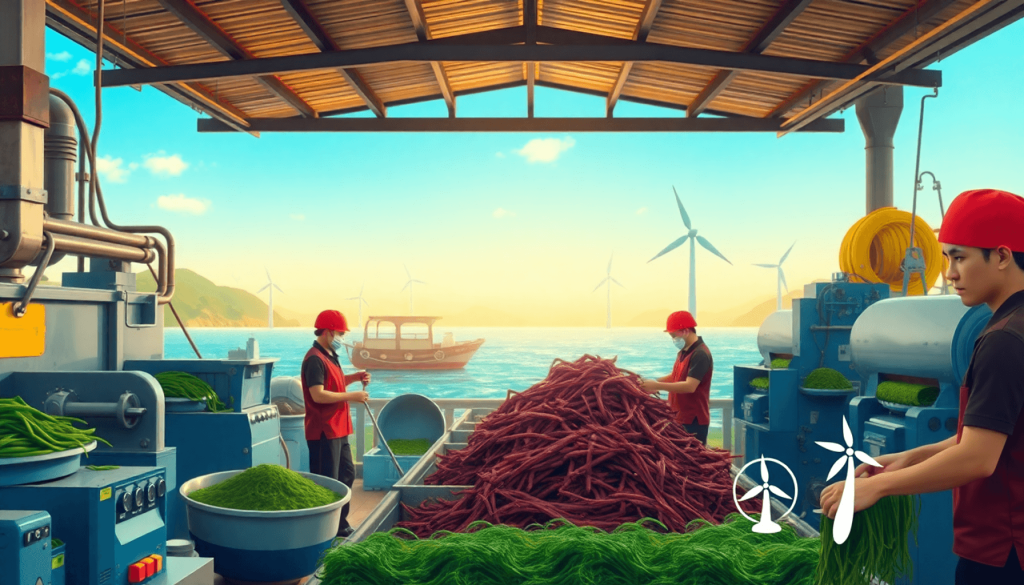
The Indonesian government is taking proactive steps to enhance domestic seaweed processing. Key initiatives include:
- Revision of Regulation No. 9/2022: This regulation focuses on machinery and equipment assistance for seaweed processing, aiming to streamline operations and improve efficiency within the industry.
- Subsidies for New Machinery: Small and medium-sized factories will benefit from subsidies covering 30-40% of the costs associated with acquiring new processing machinery. This financial support plays a crucial role in modernizing facilities and increasing production capacity.
- Granting Industrial Area Status: Recognizing the importance of dedicated spaces for seaweed factories, the government plans to grant industrial area status. This move will facilitate better infrastructure, access to resources, and enhanced collaboration among processors.
- Developing Seaweed-Based Biofuel for Aviation: The government is also exploring innovative applications of seaweed, including its potential role in biofuel development for aviation. This initiative could position Indonesia as a leader in sustainable energy alternatives derived from its abundant seaweed resources.
These initiatives illustrate the government’s commitment to fostering a robust domestic seaweed processing sector, setting the stage for future growth and innovation in this vital industry.
Challenges in Implementing Processing Policies
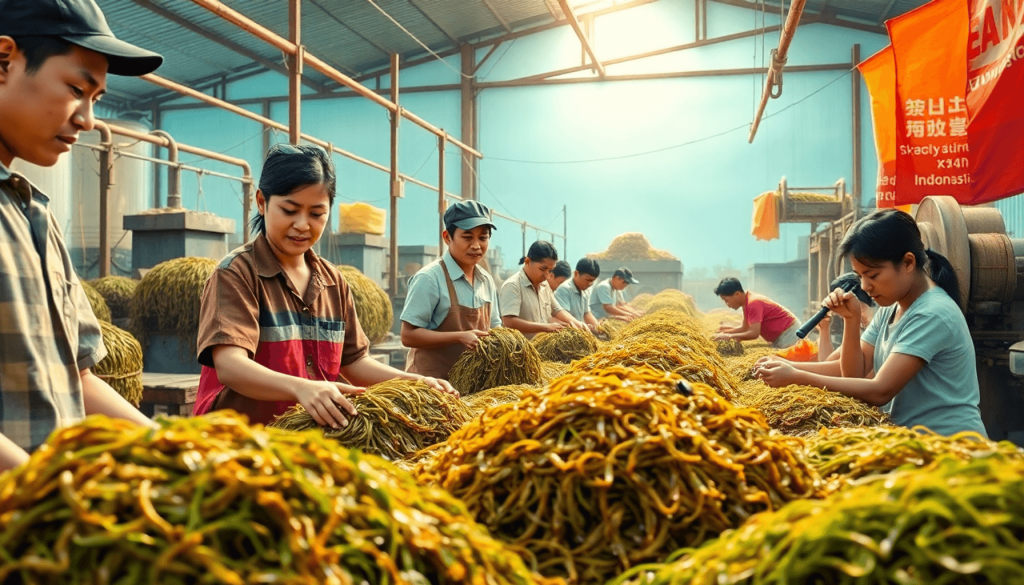
Indonesia’s efforts to promote domestic seaweed processing face several challenges that could hinder progress. Key issues include:
- Potential Oversupply and Price Decline: Export restrictions aimed at boosting local processing may inadvertently lead to an oversupply in the domestic market. This situation can trigger price decline risks, affecting the profitability of seaweed producers and processors.
- Need for Market-Oriented Production Planning: Without effective market-oriented production strategies, the industry may struggle to align supply with actual demand. This misalignment can result in wasted resources and financial losses for businesses.
- Competition from Foreign-Owned Companies: Domestic seaweed processors are increasingly facing competition from large, foreign-owned companies operating within Indonesia. These companies often possess greater resources and advanced technology, making it difficult for local players to compete.
Addressing these challenges is crucial for the successful implementation of policies aimed at promoting domestic seaweed processing. The Government Is Considering Policies To Promote Domestic Seaweed Processing, but strategic planning and support will be essential to protect local stakeholders while fostering growth in this vital sector.
Ralali’s Role in Supporting Domestic Seaweed Processing
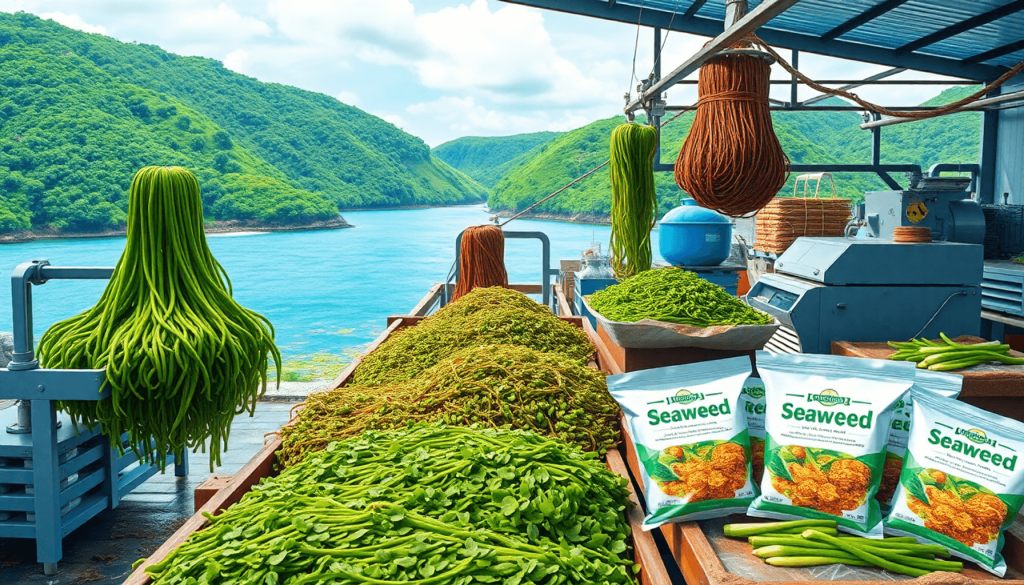
Ralali plays a crucial role in advancing Indonesia’s seaweed industry through its comprehensive offerings. The Ralali Marketplace serves as a platform providing end-to-end solutions for stakeholders in the seaweed sector. This marketplace facilitates:
- Procurement of raw materials: Ensuring producers have access to quality seaweed.
- Distribution of processed products: Expanding reach to various processing industries across Indonesia.
In addition, financial support through Ralali Plus is available for business development. This initiative helps small and medium-sized enterprises (SMEs) secure funding needed to invest in modern processing technologies, ultimately enhancing productivity and competitiveness.
Ralali also focuses on innovation with its Ralali Food service, which promotes the development of unique seaweed-based food products. This service encourages businesses to explore alternative uses of seaweed, optimizing added value and appealing to consumer trends toward healthier and sustainable food options.
By leveraging these resources, Ralali is not just supporting individual enterprises but also contributing significantly to the overall growth of the domestic seaweed processing industry. The ecosystem they provide helps unlock the full potential of ralali rumput laut, ensuring that local producers can thrive in a competitive market landscape.
Future Market Insights and Growth Opportunities
The global seaweed market presents promising prospects, with projections estimating a reach of US$11.8 billion by 2030. This growth reflects increasing demand across various sectors, including food, cosmetics, and biofuels. The following points highlight key areas of opportunity:
1. Diverse Applications
Seaweed’s versatility allows it to be utilized in innovative ways. Its components serve as hydrocolloids (e.g., carrageenan, alginate) in food products such as ice cream and yogurt. Additionally, seaweed is gaining traction as a raw material in plant-based proteins for alternative meat products and eco-friendly packaging solutions.
2. Sustainability Initiatives
As the world shifts towards more sustainable practices, the exploration of alternative uses for seaweed can enhance environmental benefits. Seaweed farming contributes to carbon sequestration and reduces ocean acidification, making it a valuable resource in combating climate change.
3. Investment in R&D
Channeling funds into research and development is crucial for advancing processing technologies. Innovations can lead to more efficient extraction methods and better product formulations, ultimately boosting the competitiveness of Indonesia’s seaweed industry on a global scale.
These factors underscore the critical need for strategic investments that capitalize on market potential while promoting sustainability within the seaweed sector.
Conclusion
The future of Indonesia’s seaweed industry depends on effective government policies that directly benefit local farmers and processors. Key impacts include:
- Increased Market Access: Enhanced domestic processing can open new markets for local products, ensuring better pricing and stability.
- Support for Sustainable Practices: Encouraging eco-friendly operations will not only boost the industry but also contribute to environmental preservation.
Investment in the Indonesian seaweed sector is crucial. A collaborative approach among stakeholders, including government bodies, businesses, and local communities, can foster a thriving ecosystem.
The Government Is Considering Policies To Promote Domestic Seaweed Processing; your involvement can drive meaningful change. Engage in discussions, support initiatives, and invest in technology to capitalize on the growing market opportunities. Together, we can shape a sustainable future for Indonesia’s seaweed industry.
FAQs (Frequently Asked Questions)
Indonesia is the world’s second-largest seaweed producer, dominating dried seaweed exports with a share of 66.61%, while processed products account for 33.39%. The global seaweed market is projected to reach US$11.8 billion by 2030, highlighting Indonesia’s untapped potential.
The government has revised Regulation No. 9/2022, which includes machinery assistance and subsidies (30-40%) for small and medium-sized factories. Additionally, there are plans to grant industrial area status to seaweed factories and develop biofuel from seaweed for aviation.
Key challenges include concerns about oversupply and price declines due to export restrictions, the need for market-oriented production planning, and competition from large, foreign-owned companies operating within Indonesia.
Ralali Marketplace provides end-to-end solutions including expanded distribution for processed seaweed products and financial support through Ralali Plus. They also facilitate innovative seaweed-based food products via Ralali Food service.
Pingback:Provision Of Tissue Culture-Based Seaweed Seedling Gardens (KBRL) To Ensure The Availability Of Superior Seeds. - Indonesia Supplier