

Indonesia’s seaweed industry, known locally as rumput laut, plays a vital role in the nation’s economy. As one of the largest producers of seaweed globally, Indonesia contributes significantly to both domestic and international markets. The sector has immense potential for growth, especially in sustainable practices.
The Ministry of Maritime Affairs and Fisheries (KKP) is taking proactive steps to enhance this industry through its initiative to develop seaweed cultivation modeling in several locations. This initiative focuses on:
- Increasing productivity
- Promoting sustainability
- Supporting economic growth
By implementing effective cultivation models, KKP aims to improve the livelihoods of coastal communities while meeting the rising global demand for seaweed products. The focus on budidaya rumput laut not only strengthens local economies but also elevates Indonesia’s position in the global seaweed market.
Read More: Global Competition And Limited Market Access Are Challenges For Indonesian Seaweed Businesses.
KKP’s Seaweed Cultivation Modeling Program
The Kementerian Kelautan dan Perikanan (KKP) plays a crucial role in advancing Indonesia’s seaweed sector. Under the leadership of Sakti Wahyu Trenggono, the ministry aims to enhance the productivity and sustainability of seaweed farming through innovative approaches. Key objectives of KKP include:
- Promoting sustainable practices in seaweed cultivation
- Increasing economic opportunities for local communities
- Strengthening the competitiveness of Indonesian seaweed on a global scale
One significant initiative is the development of seaweed cultivation modeling. This approach focuses on utilizing data-driven techniques to optimize farming practices, ensuring higher yields and better quality products. The importance of modeling cannot be overstated; it allows farmers to:
- Implement best practices tailored to specific environmental conditions
- Monitor growth patterns and health of seaweed crops
- Predict outcomes based on various cultivation methods
By adopting these models, KKP aims not only to boost productivity but also to ensure that farming practices align with sustainability goals. Enhanced productivity directly correlates with improved livelihoods for coastal communities, positioning Indonesia as a strong player in the global seaweed market.
Locations Chosen for Implementation
The KKP has identified three strategic locations for the seaweed cultivation modeling program, each offering unique advantages for successful farming:
- Rote Ndao: Known for its warm waters and favorable climatic conditions, Rote Ndao presents an ideal environment for various seaweed species. The area’s rich marine biodiversity enhances its potential for sustainable cultivation practices.
- Southeast Maluku: This region boasts extensive coastal areas with minimal pollution, allowing for high-quality seaweed production. Its local communities are eager to adopt improved farming techniques, fostering collaboration between farmers and researchers.
- Wakatobi: Recognized for its stunning marine ecosystems, Wakatobi’s clear waters support optimal growth conditions for seaweeds. This location is also strategically positioned to connect with processing industries, facilitating market access.
Each of these locations plays a critical role in advancing the productivity and sustainability of Indonesia’s seaweed sector.
Target Production Goals and Use of Tissue Culture Seedlings
The Ministry of Maritime Affairs and Fisheries (KKP) has established ambitious production goals for seaweed cultivation across the selected locations. Each site aims to achieve 2,187 tons of wet seaweed per year, significantly contributing to Indonesia’s national seaweed production targets. This initiative not only seeks to enhance overall productivity but also plays a vital role in bolstering the local economy.
One key innovation in this program is the utilization of tissue culture seedlings. This technology offers several advantages:
- Quality Improvement: Tissue culture allows for the propagation of disease-free, high-quality seedlings. This ensures stronger plants that can withstand environmental pressures.
- Yield Enhancement: The use of tissue culture can lead to increased biomass production, making seaweed farming more efficient.
- Uniformity: Cultivating from tissue cultures results in more uniform crop characteristics, facilitating better management practices and marketing strategies.
Implementing these techniques aligns with KKP’s commitment to advancing sustainable practices in seaweed farming. By focusing on quality and productivity through innovative methods, the program aims to maximize the potential of Indonesia’s rich marine resources.
Objectives of the Modeling Program and Challenges in Seaweed Cultivation
The Ministry of Maritime Affairs and Fisheries (KKP) has set clear objectives to enhance productivity in seaweed farming. These objectives aim to:
- Increase income for farmers: By implementing better farming practices and providing access to lucrative markets, KKP seeks to ensure that local farmers can benefit more from their harvests.
- Create job opportunities: The initiative is expected to generate employment in coastal communities by expanding the seaweed sector, thus supporting local economies.
Despite these ambitious goals, several challenges persist in the current state of seaweed cultivation:
- Limited utilization of potential areas: Many regions with suitable conditions for seaweed farming remain untapped. This underutilization hinders overall production capacity and economic benefits for local communities.
- Need for improved cultivation methods: Current farming practices often lack modern techniques that could increase yield and sustainability. Adopting advanced methods is crucial for meeting productivity targets.
- Market access issues: Farmers frequently face difficulties in connecting with processing industries. Improving this aspect will facilitate a smoother supply chain and allow producers to reach broader markets.
By addressing these challenges while focusing on enhancing productivity, increasing income for farmers, and creating job opportunities, the KKP’s modeling program can significantly impact Indonesia’s seaweed industry.
Ralali’s Role in Supporting Seaweed Industry Growth
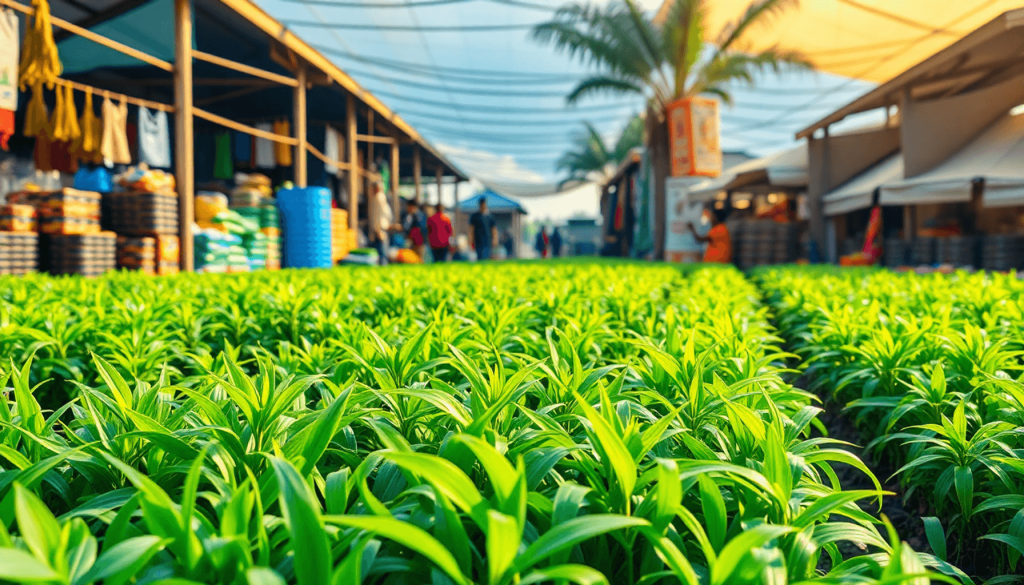
Expansion of Distribution Reach and Financial Support Initiatives
The Ralali Marketplace plays a crucial role in enhancing market access for seaweed products. As Indonesia’s largest B2B platform, it connects various stakeholders in the seaweed industry, including producers, processors, and retailers. This connection facilitates:
- Direct Access: Producers can reach processing industries more effectively, allowing for seamless product distribution.
- Market Expansion: With extensive networks, Ralali helps producers expand their market reach across Indonesia, increasing visibility and sales opportunities.
In addition to distribution support, Ralali provides essential financial solutions through its Ralali Plus program. This initiative addresses funding challenges faced by businesses in the seaweed sector:
- Funding Solutions: Ralali Plus offers tailored financial assistance to seaweed businesses. This support enables companies to invest in improved cultivation techniques, technology upgrades, and other necessary resources.
- Business Growth: By easing financial constraints, Ralali Plus empowers businesses to scale operations and enhance productivity. The result is a more robust seaweed industry that aligns with initiatives like “The Ministry of Maritime Affairs and Fisheries (KKP) Develops Seaweed Cultivation Modeling In Several Locations To Increase Productivity.”
The integration of these services within the Ralali ecosystem optimizes the potential benefits of seaweed cultivation. By providing end-to-end solutions from raw material procurement to final product distribution, businesses can focus on growth while ensuring quality and sustainability.
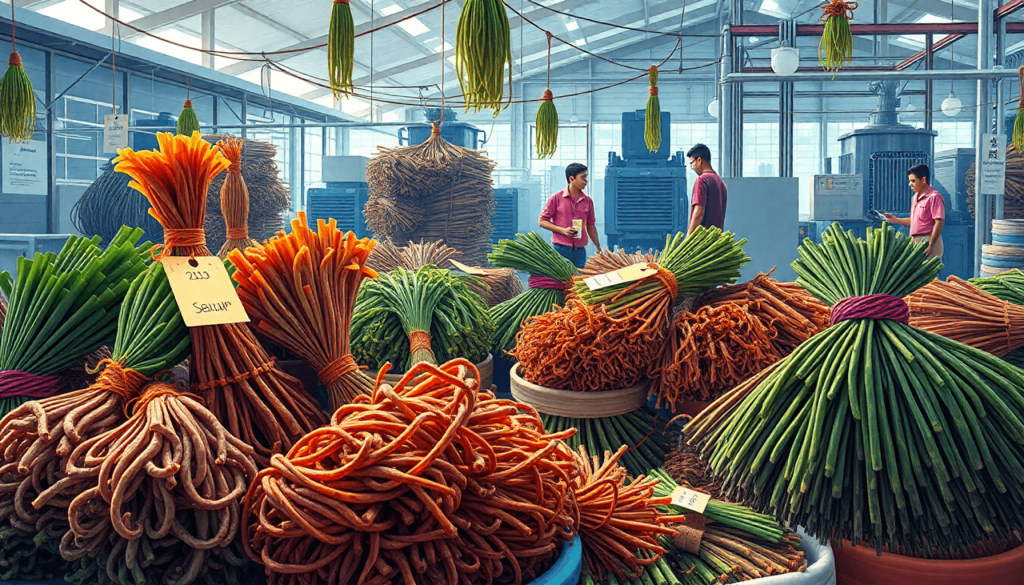
Role of Ralali Marketplace
The impact of the Ralali Marketplace extends beyond mere connectivity; it acts as a catalyst for innovation within the seaweed industry. By simplifying access to processing industries:
- Producers can showcase their offerings effectively.
- Enhanced visibility leads to better pricing strategies and negotiation power.
This dynamic not only boosts individual business performance but also contributes to the overall health of the Indonesian seaweed market.
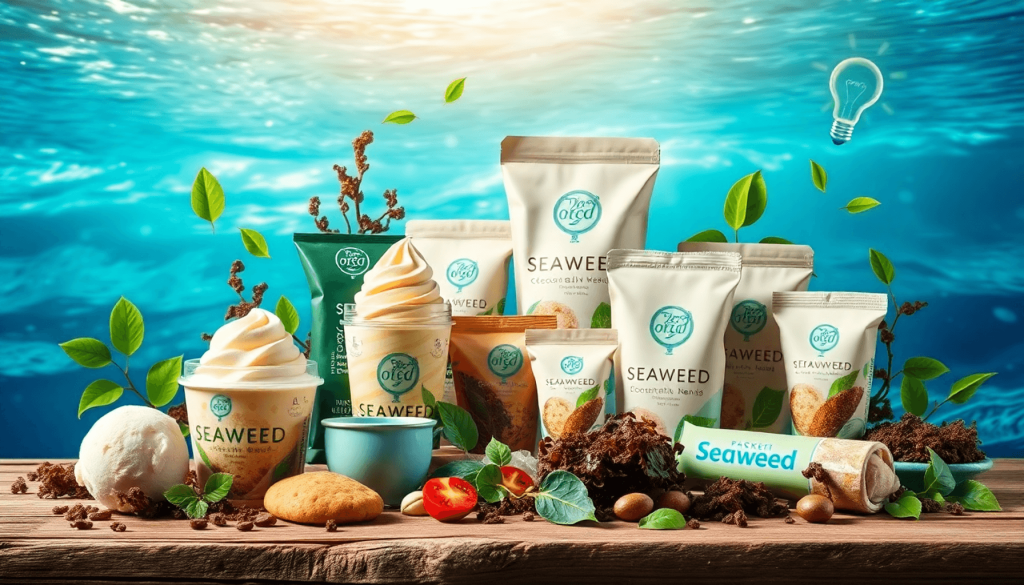
Innovative Product Development Facilitation
Through its Ralali Food Service, the marketplace fosters innovative product development centered around seaweed-based food products. The advantages include:
- Value Addition: Seaweeds are rich sources of hydrocolloids such as carrageenan and agar. These ingredients are vital in food production as thickening agents or stabilizers.
- Diverse Applications: Seaweeds find utility in various products ranging from ice cream to eco-friendly packaging materials. This versatility opens new avenues for product development.
As Ralali continues its mission to support the seaweed industry with innovative solutions and financial backing, it strengthens the foundation for sustainable growth in this vital economic sector.
Innovative Product Development Facilitation
Ralali plays a crucial role in improving Indonesia’s seaweed industry through its wide range of services. The Ralali Marketplace offers comprehensive solutions that make it easier for seaweed products to reach the market. This platform connects producers directly with processing industries, allowing for smooth transactions and distribution of seaweed-based goods.
Key Features of Ralali Food Service:
- Development of Innovative Products: Ralali Food service encourages the creation of new seaweed-based food products. By using its extensive network, it motivates businesses to explore innovative uses of seaweed, increasing product variety and attracting consumers.
- Value Addition: Through collaboration, Ralali helps businesses improve the value of their products. This focus on innovation not only enhances the quality of offerings but also leads to higher profit margins for producers.
- Support for National Downstream Program: Ralali’s initiatives align with The Ministry of Maritime Affairs and Fisheries (KKP) Develops Seaweed Cultivation Modeling In Several Locations To Increase Productivity. By promoting sustainable practices and innovative development, Ralali supports national goals for economic growth within the seaweed sector.
These services work together to create an environment where businesses can succeed, ensuring that Indonesia’s seaweed resources are fully utilized.
Potential Impact on Indonesia’s Seaweed Industry
Indonesia’s seaweed industry is set to grow significantly thanks to initiatives led by the Ministry of Maritime Affairs and Fisheries (KKP). National production is expected to increase from 10.5 million tons to between 12 and 13 million tons by 2024, showing a commitment to improving productivity and sustainability in seaweed farming.
Key Factors Driving Growth
Several key factors are expected to contribute to this growth:
- Value-added product development: The focus on exploring new markets for bioactive compounds derived from seaweeds is crucial. Products like carrageenan and agar-agar, known for their thickening and stabilizing properties, are gaining popularity across various industries. These compounds are essential in food products such as ice cream, yogurt, sauces, and alternative meat products, showcasing the versatility of seaweed.
- Broadening market access: Through initiatives that improve distribution channels and connect producers with processing industries, KKP’s program aims to facilitate entry into lucrative markets. This access not only enhances the economic viability of seaweed farming but also promotes innovation in product development.
- Alignment with sustainable economic goals: The enhancement of the seaweed sector contributes significantly to Indonesia’s broader goals for sustainable economic development. By promoting environmentally friendly practices and increasing local production capabilities, these initiatives foster food resilience within coastal communities.
The integration of advanced farming techniques and technology further solidifies Indonesia’s position as a leader in the global seaweed market. Investing in these initiatives ensures that local farmers benefit from improved yields while contributing to national economic growth. As the industry evolves, it holds immense potential for creating employment opportunities and bolstering community livelihoods across coastal regions.
Conclusion
The initiatives led by The Ministry of Maritime Affairs and Fisheries (KKP) play a crucial role in shaping the future outlook on Indonesia’s seaweed industry. By developing seaweed cultivation modeling across various locations, KKP aims to enhance productivity and bolster local economies. Key highlights include:
- Increased production targets significantly boost national output.
- Sustainable practices ensure environmental preservation while promoting economic growth.
Stakeholders are encouraged to actively engage in these efforts. Participation can take many forms, such as:
- Supporting sustainable farming practices.
- Investing in innovative technologies.
- Collaborating with local communities to foster resilience.
Embracing these initiatives can lead to a thriving seaweed sector that not only meets domestic needs but also positions Indonesia favorably in the global market. Your involvement is essential for maximizing the potential of this vital industry.
FAQs (Frequently Asked Questions)
The KKP plays a crucial role in developing seaweed cultivation modeling to enhance productivity, economic growth, and sustainability within Indonesia’s seaweed industry. This initiative aims to increase national production and improve the livelihoods of coastal communities.
The KKP has chosen Rote Ndao, Southeast Maluku, and Wakatobi as key locations for implementing its seaweed cultivation modeling program due to their unique characteristics that are conducive to successful seaweed farming.
The KKP has set a target production goal of 2,187 tons of wet seaweed per year at each selected location, aiming to significantly contribute to Indonesia’s overall seaweed production.
Tissue culture technology is utilized in seaweed farming to improve quality and yield. By using tissue culture seedlings, farmers can enhance productivity and ensure better growth rates in their crops.
Pingback:The Government Is Considering Policies To Promote Domestic Seaweed Processing. - Indonesia Supplier
Pingback:Global Competition And Limited Market Access Are Challenges For Indonesian Seaweed Businesses. - Indonesia Supplier