
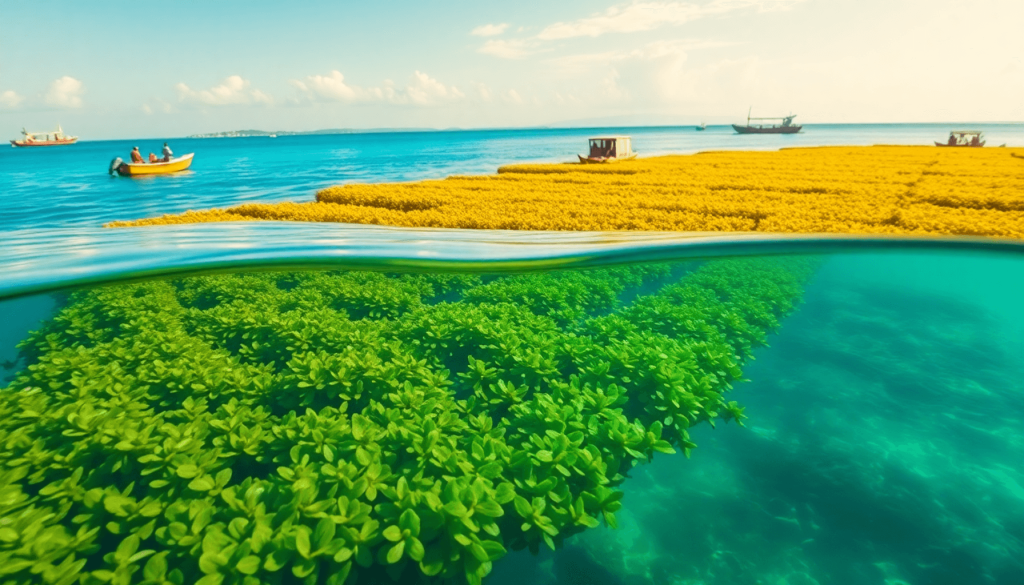
Indonesia’s seaweed industry has a significant economic opportunity, but it has only used 0.8% of its total potential cultivation area of 12 million hectares. This means the country can’t fully benefit from seaweed production.
Key Highlights:
- Global Commodity: Seaweed is becoming increasingly valuable in global markets due to its wide range of uses.
- Economic Impact: It is a source of hydrocolloids such as carrageenan and alginate, which are used in various food products like ice cream and plant-based protein alternatives.
Indonesia is currently the second-largest seaweed producer in the world. If it can fully tap into this potential, it could greatly improve the economic prospects for coastal communities and the national economy. However, there are still questions about how to effectively make use of this resource.
Read More: Climate Change And Weather Have Affected Seaweed Seed Production And Quality Since 2020.
Current State of Seaweed Cultivation in Indonesia
Indonesia has a potential seaweed farming area of around 12 million hectares. This large area offers great opportunities for growth in the industry. However, only 102,000 hectares are currently being used for seaweed farming, which is just 0.8% of the total potential.
As the second-largest producer of seaweed in the world, Indonesia plays an important role in the global market. The country mainly grows species like Kappaphycus and Gracilaria, which are crucial for various uses such as food products and industrial applications. Despite its significant position, Indonesia faces challenges that prevent it from fully utilizing its cultivation capabilities.
The limited use of available land affects not only local farmers but also Indonesia’s ability to meet the increasing international demand. Expanding the area used for seaweed farming could bring about greater economic benefits, create jobs, and strengthen coastal communities that depend on this valuable resource.
Challenges Hindering Optimal Utilization of Seaweed Cultivation Land
Several challenges hinder the optimal utilization of Indonesia’s vast seaweed cultivation land. Key issues include:
- Limited Infrastructure: Many remote areas lack proper transportation and logistical networks. This hampers accessibility for farmers to reach seedling suppliers and markets, stifling expansion opportunities.
- Lack of Access to High-Quality Seedlings: Farmers often struggle to find quality seedlings that are vital for robust growth. The absence of reliable sources leads to subpar production levels and reduces overall yield potential.
- Insufficient Knowledge and Training for Farmers: Many seaweed farmers do not have access to adequate training programs. Without proper education on best practices in cultivation techniques, they may face difficulties in maximizing their productivity. This knowledge gap can significantly impact their ability to fully leverage the available land.
Addressing these challenges is crucial for unlocking the full potential of Indonesia’s seaweed industry. Each factor plays a critical role in determining how effectively farmers can utilize the resources at their disposal.
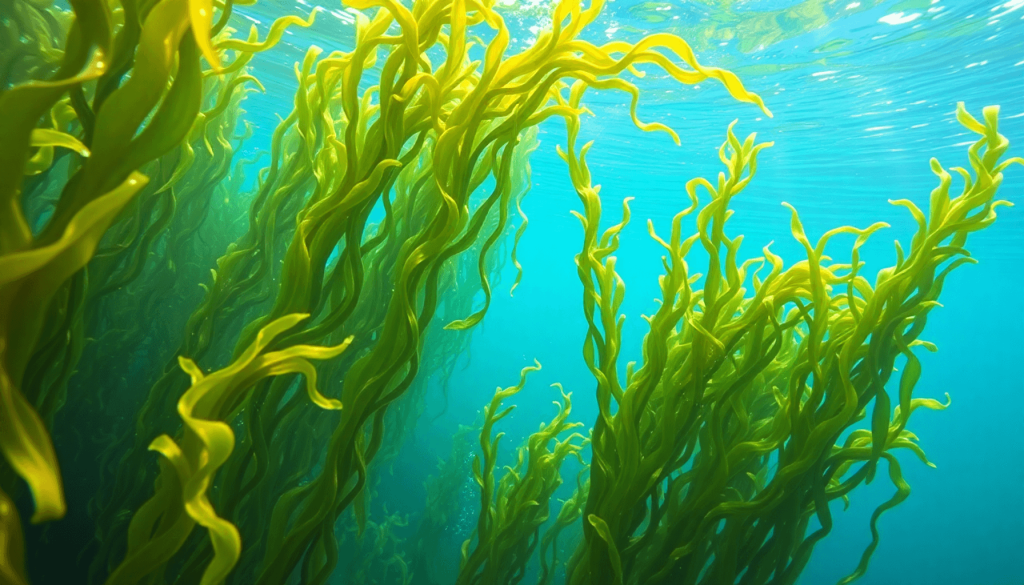
Regulatory Hurdles and Certification Challenges in the Seaweed Industry
The journey to becoming a competitive player in the global seaweed market involves navigating complex certification processes. These certifications are crucial for market access and ensuring product quality. They not only validate farming practices but also enhance consumer trust in the products.
Key challenges faced by farmers include:
- Meeting Standards: Many farmers struggle to meet stringent certification standards due to limited resources and knowledge. These standards often encompass environmentally sustainable practices, which may not be feasible for small-scale farmers.
- Cost of Compliance: The financial burden associated with obtaining certifications can deter farmers from pursuing these necessary steps. Costs include application fees, training, and potential upgrades to farming methods or equipment.
- Lack of Support: Insufficient guidance and support systems for farmers hinder their ability to understand and implement certification requirements effectively.
These regulatory hurdles contribute directly to the underutilization of seaweed cultivation land. With only 0.8% utilization of the total potential of 12 million hectares, addressing these challenges is imperative for unlocking Indonesia’s vast seaweed production capabilities.
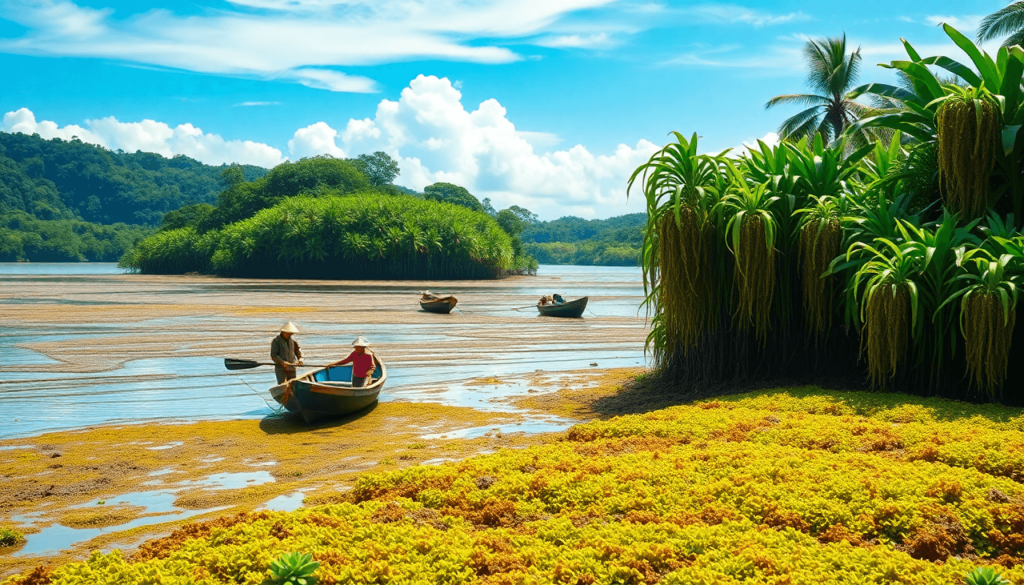
Economic Implications of Underutilization: Missed Opportunities for Growth
The underutilization of seaweed cultivation land has significant economic consequences for coastal communities. Many of these communities depend heavily on fishing and farming activities, which are often limited by inadequate seaweed cultivation. As a result, local economies face stagnation, with limited job opportunities and income sources.
1. Impact on Coastal Communities
The lack of diversified income streams leaves many fishers and farmers vulnerable to market fluctuations. Seaweed cultivation could serve as a supplementary income source, providing much-needed financial stability.
2. Export Potential for Indonesia
Indonesia is well-positioned to capitalize on the global demand for processed seaweed products, such as carrageenan and agar. Currently, the unrealized export potential remains vast due to low levels of production. By expanding seaweed farming, Indonesia could significantly boost its export revenues.
3. Development of Value-added Products
The seaweed industry offers a pathway to develop innovative value-added products. Utilizing seaweed as an ingredient in food products or sustainable packaging can enhance its economic viability.
Harnessing this potential not only benefits individual farmers but also contributes to the broader economic growth of Indonesia.
Government Initiatives to Boost Utilization: A Step Towards Progress?
The Indonesian government has recognized the potential of seaweed cultivation and included it in national priority projects. This strategic move aims to improve the sector and tackle existing challenges.
Key initiatives include:
- Distribution of Seaweed Seedlings: The government is working on distributing high-quality seedlings in identified priority locations. This initiative targets areas with optimal conditions for growth, ensuring that farmers have access to the best materials for cultivating seaweed.
- Support for Processing Facilities: By investing in processing facilities, the government seeks to enhance the value chain of seaweed products. This support can increase local production capabilities, making it easier for farmers to process their harvest and market them effectively.
These actions not only aim to boost cultivation rates but also empower local communities by providing resources and knowledge. Engaging farmers in these initiatives can lead to a more sustainable and profitable seaweed industry. As Indonesia moves forward, these government efforts will play a crucial role in maximizing the utilization of available land for seaweed cultivation.
The Future Looks Promising!
The potential for growth in Indonesia’s seaweed industry is substantial, particularly regarding job creation and export revenue. Expanding cultivation efforts can lead to significant employment opportunities in coastal areas, where local communities can engage in seaweed farming and processing.
Key points include:
- Job Creation: Increased seaweed cultivation opens avenues for various roles, from farming to processing and distribution.
- Export Revenue: If Indonesia capitalizes on its underutilized capacity—currently only 0.8% of the total potential of 12 million hectares—the country could see a dramatic increase in export revenues from processed seaweed products.
Downstream industries stand to benefit significantly as well. Enhanced access to quality raw materials can stimulate innovation in product development, leading to an expanded market presence both domestically and internationally.
Sustainability Concerns and Market Volatility: Balancing Act for Success
Addressing environmental concerns in seaweed farming is essential for the industry’s future. Unsustainable practices can lead to habitat degradation, negatively affecting marine ecosystems.
Key considerations include:
- Sustainable farming techniques: Implementing methods that minimize environmental impact ensures the longevity of both the seaweed industry and local ecosystems.
- Market fluctuations: The seaweed sector faces volatility driven by varying demand and supply dynamics. This unpredictability can complicate investment decisions for stakeholders.
- Competition with land use: As coastal areas face increasing pressure from tourism and agriculture, finding a balance between seaweed cultivation and other land uses becomes critical.
Promoting sustainable practices not only protects the environment but also enhances market stability. By addressing these concerns, stakeholders can help secure a prosperous future for Indonesia’s seaweed industry.
Conclusion
Indonesia’s seaweed industry has great potential, with 12 million hectares of land available for cultivation. However, only 0.8% of this land is currently being used effectively.
To fully realize this potential, it is crucial for stakeholders, including government bodies and private sectors, to work together and maximize the utilization of new seaweed cultivation land. Additionally, aligning efforts with the sustainable development goals (SDGs) will ensure that economic growth does not come at the expense of environmental health.
There is an opportunity to improve income for coastal communities and access the global market for processed seaweed products. By addressing existing challenges and promoting partnerships, Indonesia can fully tap into its seaweed resources, benefiting both local economies and environmental sustainability. The future of this industry relies on collective action and a commitment to sustainable practices.
FAQs (Frequently Asked Questions)
Indonesia has a total potential seaweed cultivation area of 12 million hectares, but as of now, only 102,000 hectares (0.8% of this potential) are being utilized. This limited use highlights Indonesia’s position as the world’s second-largest seaweed producer.
Several challenges affect the optimal utilization of seaweed cultivation land in Indonesia, including limited infrastructure in remote areas, a lack of access to high-quality seedlings, and insufficient knowledge and training for farmers which impacts overall productivity.
Seaweed farmers in Indonesia encounter various regulatory hurdles that complicate the certification processes necessary for market access. These challenges can hinder their ability to fully utilize available land for cultivation.
The underutilization of seaweed cultivation land negatively affects coastal communities that rely on fishing and farming activities. It limits their economic opportunities and unrealized export potential from processed seaweed products.
Pingback:Climate Change And Weather Have Affected Seaweed Seed Production And Quality Since 2020. - Indonesia Supplier