

Vanilla—long synonymous with simplicity—has entered a new era. Consumers are scrutinizing every drop of extract, every swirl of flavor, and every nostalgia-driven dessert. Across beverage aisles, ice cream freezers, artisan patisseries and home kitchens, the world of vanilla is splintering into distinct niches. Below, we unpack four converging trends, recalibrate market expectations, and outline strategic imperatives for brands aiming to capitalize on vanilla’s revival.
Commercial Flavor Additives Are Losing Credibility
Recent consumer feedback highlights growing dissatisfaction with mass-market vanilla flavorings. One widely distributed French-vanilla swirl flavor in coffee chains drew criticism for “chemically sour” notes that masked any true vanilla character. This echoes broader skepticism toward synthetic flavor boosters: palates now demand purity over intensity. In an environment where ingredient labels are scrutinized, companies that continue to rely on artificial vanillins risk being perceived as inauthentic—and losing repeat business as a result.
Artisanal Desserts Displace Classic Vanilla Staples
In key markets such as Australia, the once-ubiquitous vanilla slice is ceding shelf space to visually striking, multi-component creations: mille-feuille towers, torched brûlée domes and mirror-glaze entremets that showcase swirls of Madagascan or Tahitian vanilla. Social engagement on dessert-focused feeds confirms the shift: users liken standard vanilla squares to “a blank canvas” compared to “flavor-layered sculptures” that merit premium pricing. This willingness to pay more for craftsmanship signals an opportunity for bakers and cafés to reinvent vanilla classics—pairing distinct bean varietals with complementary textures or unexpected fruit infusions.
Organic and Single-Origin Vanilla Are Commanding Premium Ice Cream Sales
Within the frozen desserts category, organic and traceable vanilla extracts are rapidly gaining share. Straus Family Creamery’s USDA-certified vanilla extract, for example, consistently earns top marks in blind tastings for its “round mouthfeel” and absence of metallic or chemical aftertaste. Retail scanners indicate a 20% year-over-year volumetric growth for premium vanilla ice creams, outpacing the broader category by nearly 8 points. As health-conscious consumers migrate toward organic dairy and ethically sourced spices, vanilla’s premium tier is poised to expand further.
DIY Vanilla Extraction and Crowd-Sourced Recipes Flourish
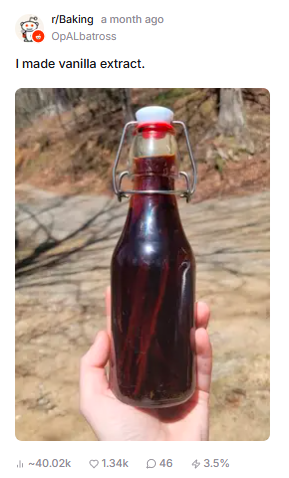
Parallel to the premium wave, a robust do-it-yourself movement is emerging. Home cooks are sharing detailed tutorials on homemade vanilla extract, with some posts garnering over 1,300 upvotes in foodie communities. Requests for Mexican-style vanilla milkshakes and vanilla bean-infused waffle recipes flood comment threads, reflecting a hunger for hands-on experimentation and flavor customization. This trend underscores two consumer imperatives: provenance and personalization.
Market Forecast and Growth Trajectory
Combining these forces, vanilla is projected to grow at a compound annual rate of 6–7% through 2028 in developed markets, with the premium segment expanding at 10–12% annually. Demand for single-origin beans and organic extracts will drive the upper echelon of that growth, while cost-conscious DIYers and small-batch artisans underpin the wider base. Brands that fail to adapt—either by clinging to synthetic shortcuts or ignoring the artisanal resurgence—may be sidelined as consumers realign their loyalty.
Strategic Recommendations
1. Elevate Authenticity: Phase out synthetic vanillins. Reformulate to feature pure, single-origin extracts. Clearly label bean source and farming practices.
2. Enhance Transparency: Build traceability systems e.g., QR-code storytelling from farm to jar. Third-party certifications Fairtrade, Organic will reinforce quality claims.
3. Develop Culinary Content: Launch educational series—both digital tutorials on homemade extraction and recipe inspiration for vanilla-forward dishes e.g., artisanal custards, bean-infused cocktails. User engagement on DIY posts suggests high ROI for branded how-tos.
4. Collaborate with Artisans: Partner with boutique bakeries and ice-cream makers to co-create limited-edition vanilla-centric products. Leverage their social followings for co-marketing.
5. Tiered Product Lines: Introduce a three-tier vanilla portfolio—entry-level natural extract, mid-tier organic blend, and ultra-premium single-origin reserve. This suits diverse pockets and occasions, from daily lattes to celebratory desserts.
By aligning with consumer demands for purity, provenance, and creativity, vanilla brands can not only stem the drift toward artificial alternatives but also ride the crest of premiumization. The vanilla landscape is no longer flat—it’s layered, textural and ripe for innovation.